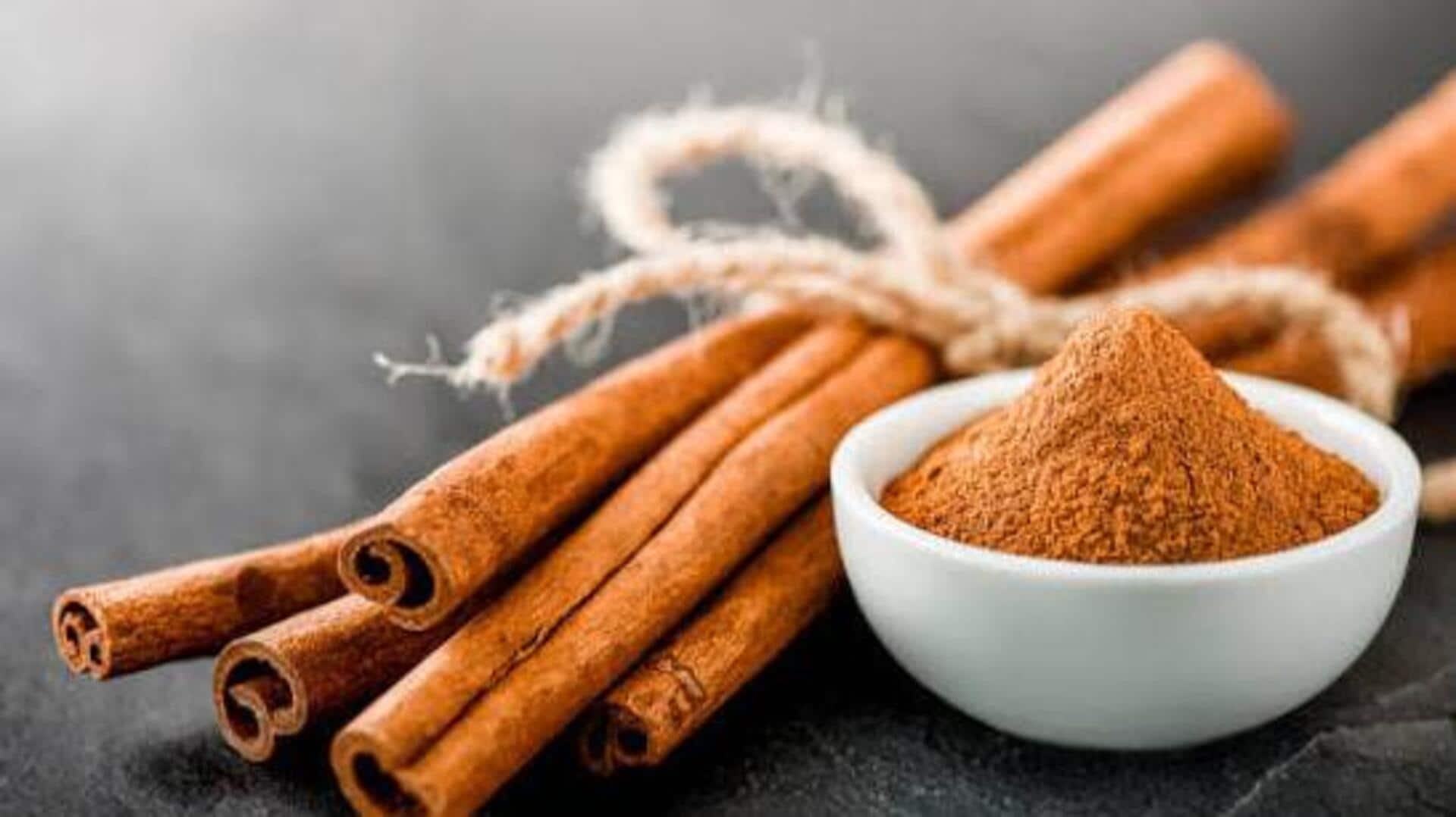
Cinnamon: Health hero or overhyped?
What's the story
Cinnamon is often touted as a magical cure for everything, but the truth is far from these claims. While this spice has been used for centuries in various cultures, its health benefits are often exaggerated. Knowing the difference between myth and fact can help you use cinnamon wisely. This article delves into common misconceptions about cinnamon and what it can actually do for your health.
#1
Myth: Cinnamon cures diabetes
One of the most common myths is that cinnamon can cure diabetes.
While some studies indicate that cinnamon may help lower blood sugar levels, it is not a replacement for medication or proper management of diabetes.
The amount of cinnamon needed to see any effect is much more than what most people consume daily.
Relying solely on cinnamon could lead to uncontrolled blood sugar levels.
#2
Myth: Cinnamon boosts metabolism significantly
Another popular belief is that cinnamon significantly boosts metabolism and aids weight loss.
Although it may slightly increase metabolic rate by enhancing thermogenesis, the effect is minimal and not enough to cause noticeable weight loss on its own.
A balanced diet, regular exercise, and not relying on spices like cinnamon alone remain the most effective methods for managing weight.
#3
Myth: All types of cinnamon are equally beneficial
Not all types of cinnamon are equally beneficial, despite popular belief.
Cassia cinnamon, commonly found in grocery stores, contains higher levels of coumarin than Ceylon cinnamon.
High levels of coumarin can be harmful if consumed in large quantities over time.
It's important to know which type you're using and consider moderation in your consumption.
#4
Myth: Cinnamon prevents heart disease
Many believe that consuming cinnamon regularly can prevent heart disease by lowering cholesterol levels and improving heart health.
While some studies suggest it may have a positive effect on lipid profiles by reducing bad cholesterol (LDL) and increasing good cholesterol (HDL), these effects are mild.
It should not replace other heart-healthy practices, like maintaining a balanced diet rich in fruits and vegetables, regular physical activity, and more.