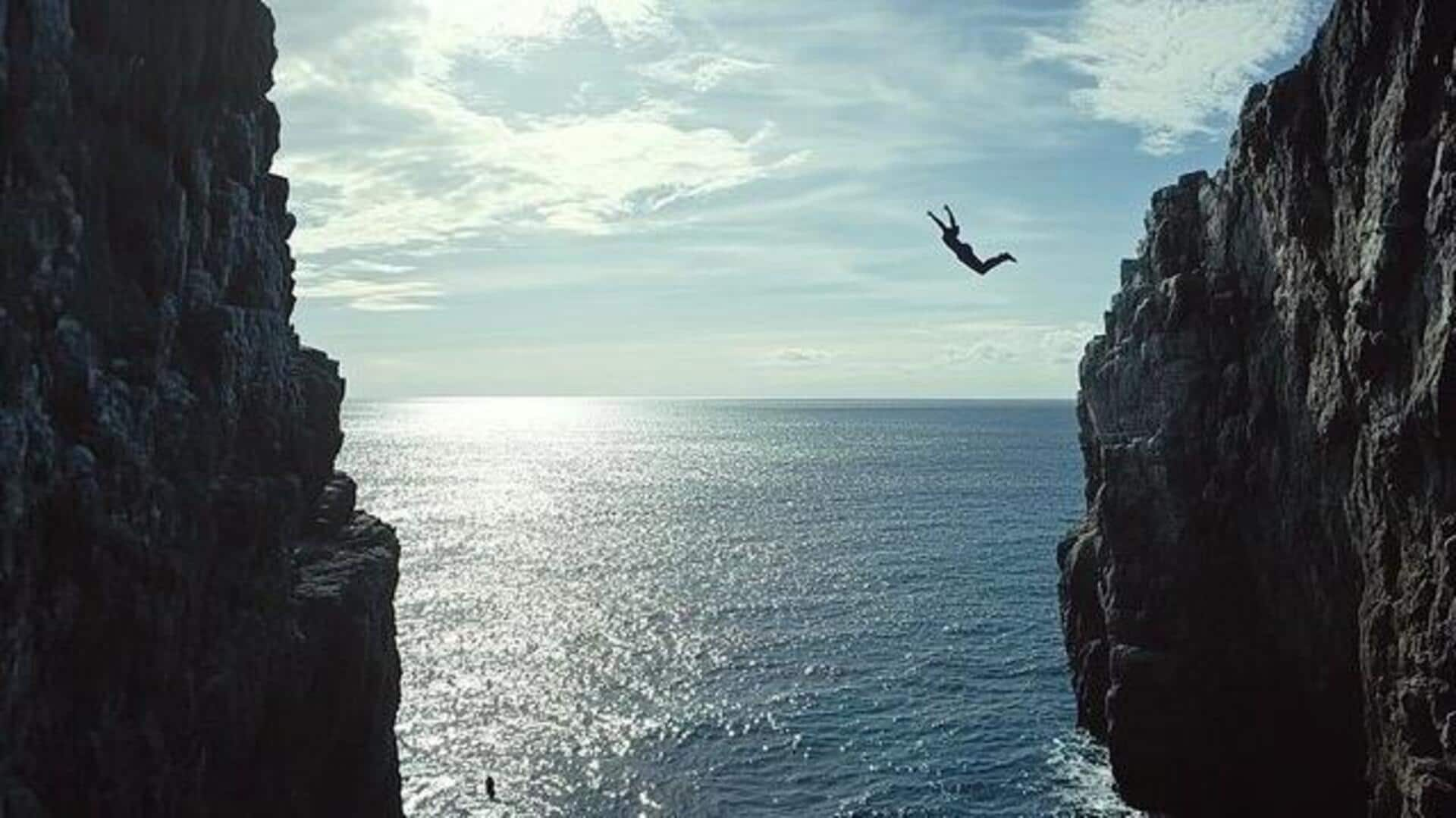
Senegal: A dream destination for cliff diving
What's the story
Senegal's ocean-facing cliffs provide the perfect backdrop for cliff diving adventures. The rugged coastline and the vast Atlantic Ocean make for an exhilarating experience for those looking to take the plunge. With its unique geological formations and rich marine life, the cliffs are a popular destination for both novice and experienced divers. Here's all you need to know about this thrilling activity in Senegal.
#1
Best spots for cliff diving
The best spots for cliff diving in Senegal are usually along the Petite Cote and Cap Vert Peninsula. These areas are known for their high cliffs and deep waters, making them ideal for the sport.
The height of the cliffs can vary from 10 to 30 meters, giving divers a range of options depending on their skill level.
However, always check water conditions before diving.
#2
Safety measures to consider
Safety is paramount when it comes to cliff diving. Divers should always check water depth before diving to avoid injuries on entry.
It's also important to be aware of tides and currents that could affect the dive's safety.
Using protective gear, like wetsuits, can help prevent injuries from sharp rocks or cold water temperatures.
#3
Best time to visit Senegal's cliffs
The best time to visit Senegal's ocean-facing cliffs for diving is during the dry season, which lasts from November to April.
During these months, weather conditions are more stable, with less rainfall and calmer seas, making it safer for divers.
However, even during this period, divers should always check daily weather forecasts before planning their dives.
Tip 1
Tips for novice divers
For novice divers looking to try cliff diving in Senegal, it is best to start with lower heights until you get comfortable with the activity.
Practicing proper technique by entering feet first can minimize impact on entry into the water.
Joining local groups or guided tours can also provide valuable insights and ensure a safer experience.