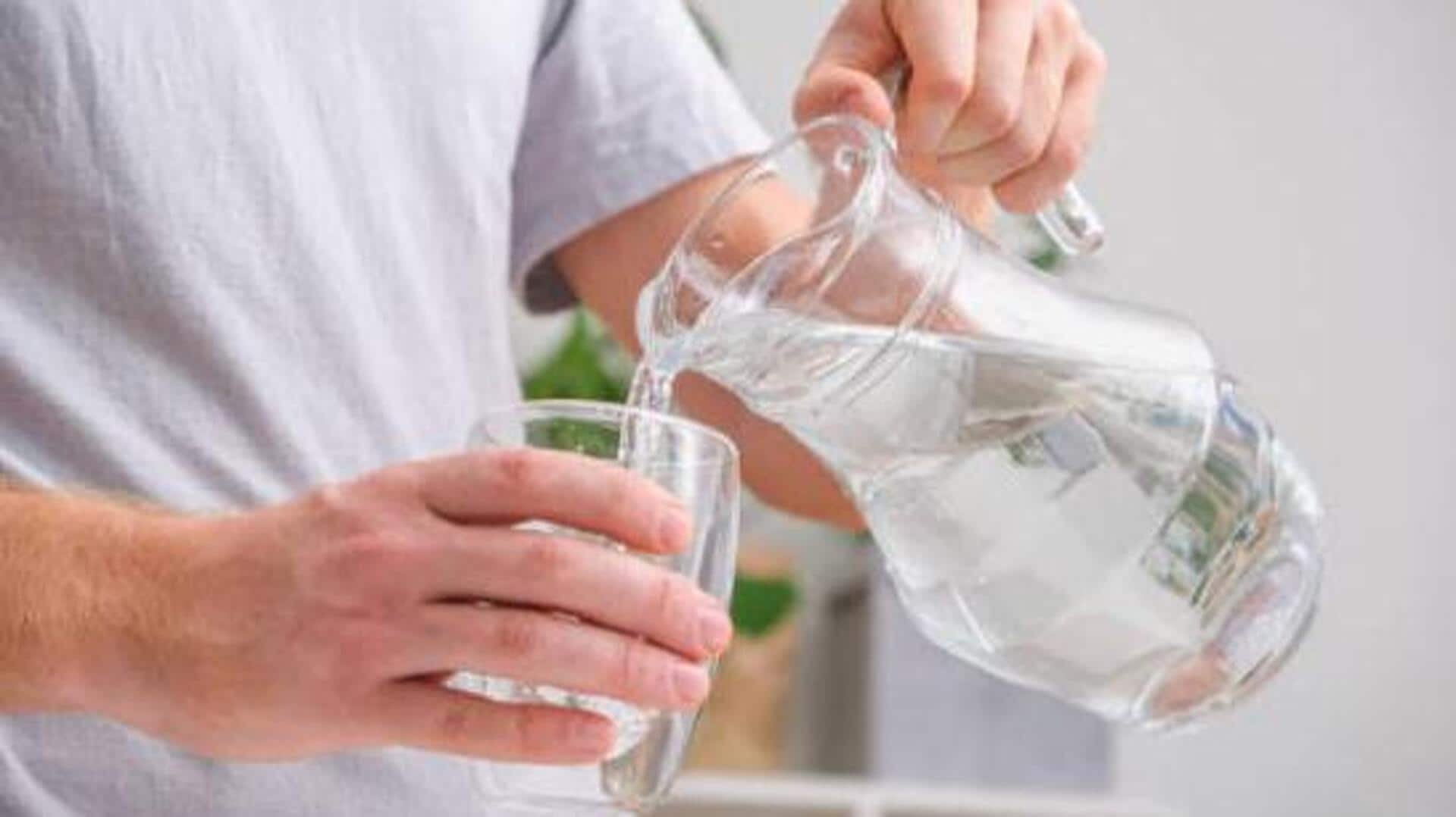
Is drinking cold water bad for your health?
What's the story
For years, we have been hearing that drinking cold water can lead to health problems, from digestive issues to a sore throat. However, most of these claims are more myth than fact. In this article, we will explore the truth behind the myths of cold water consumption and see if it really affects our health or not. We will look at scientific insights to understand how cold water affects our body.
Myth 1
Digestion and cold water
One common myth is that cold water interferes with digestion by solidifying fats in food. However, there is no scientific evidence to support this claim.
The body maintains a core temperature that ensures proper digestion, regardless of the temperature of the water consumed.
While some may feel discomfort after drinking very cold beverages with meals, it varies from person to person and is not a universal issue.
Myth 2
Cold water and metabolism
Another myth suggests that drinking cold water slows down metabolism as the body has to warm it up before it can use it.
While it is true that the body expends energy to warm up cold liquids, the effect on metabolism is minimal and temporary.
Studies indicate that any increase in calorie expenditure from warming up cold water is negligible and does not have a significant impact on weight management.
Myth 3
Impact on throat health
Many believe that consuming cold drinks can cause or worsen throat infections or colds.
However, medical professionals say there's no direct link between cold beverages and throat problems.
Colds are caused by viruses, not by the temperature of what you drink.
Staying hydrated with any temperature of water is important for overall health, and it can even help keep your throat moist.
Myth 4
Hydration levels with cold beverages
Some argue that cold drinks do not hydrate as well as room-temperature ones because they feel less refreshing or satisfying after exercise or in hot weather conditions.
However, hydration depends more on fluid intake than its temperature.
Whether you prefer iced or warm drinks, both can effectively contribute toward meeting daily hydration needs when consumed adequately throughout the day.