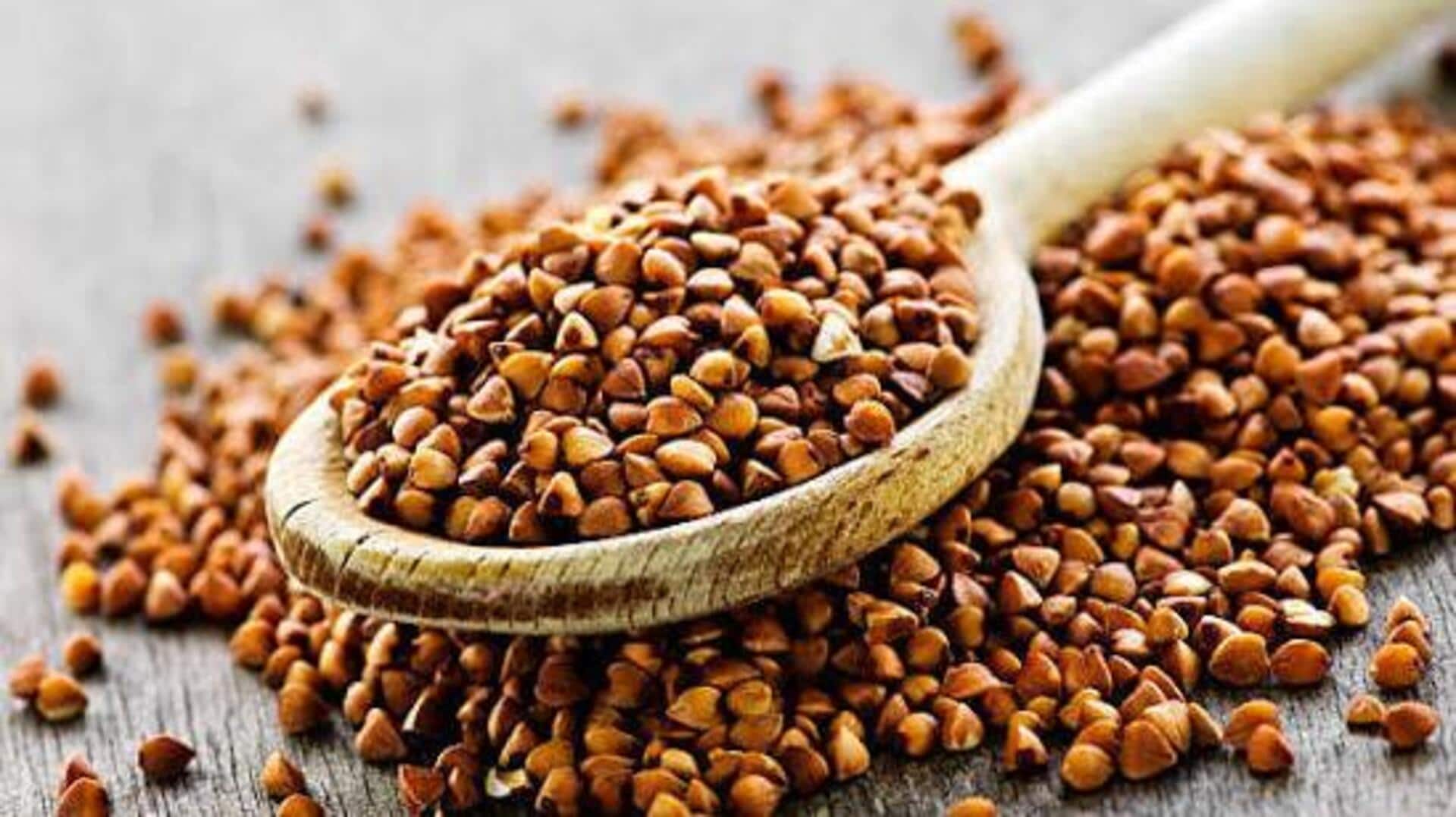
Buckwheat v/s teff: Which is healthier?
What's the story
Buckwheat and teff are two ancient grains gaining popularity for their nutritional benefits. Both are gluten-free and provide a range of nutrients essential for a healthy diet. While they have been consumed for centuries, knowing their nutritional profiles can help you make informed dietary choices. Here are the key differences between buckwheat and teff in terms of nutrition.
#1
Protein content comparison
Buckwheat is known for its high protein content, providing around 13 grams of protein per 100 grams. It also contains all nine essential amino acids, making it a complete protein source.
Teff, on the other hand, offers about eight grams of protein per 100 grams, but is also rich in lysine, which is often limited in other grains.
Both grains make excellent additions to a plant-based diet.
#2
Fiber and digestive health
Both buckwheat and teff are rich sources of dietary fiber, which promotes digestive health by ensuring regular bowel movements and helping you feel full.
Buckwheat has approximately 10 grams of fiber per 100 grams, while teff provides around four grams per the same serving size.
The fiber content in these grains can help with weight management and lower cholesterol levels.
#3
Micronutrient profile analysis
Teff is especially rich in iron, providing more than 50% of the daily recommended intake per 100 grams, making it ideal for those who need more iron, like pregnant women or people with anemia.
Buckwheat also provides iron, but in lesser amounts than teff.
Both grains are rich in other micronutrients, like magnesium and zinc, which are important for several bodily functions.
Tip 1
Glycemic index considerations
The glycemic index (GI) indicates how quickly foods raise blood sugar levels after consumption.
Buckwheat has a low GI value, making it ideal for diabetics or anyone wanting to control their blood sugar levels.
Teff also has a low GI value but may vary slightly based on how it is prepared or cooked.
Both grains can be beneficial additions to a balanced diet focused on stable energy levels throughout the day.