
Lotus seeds or pumpkin seeds: Which has more zinc?
What's the story
Lotus seeds and pumpkin seeds are two popular options for those looking to up their zinc intake. While both the seeds have their own set of benefits, knowing their zinc content can help you make informed dietary choices. Here's a look at the zinc levels in lotus seeds and pumpkin seeds, and how they stack up against each other in terms of nutrition.
#1
Zinc content in lotus seeds
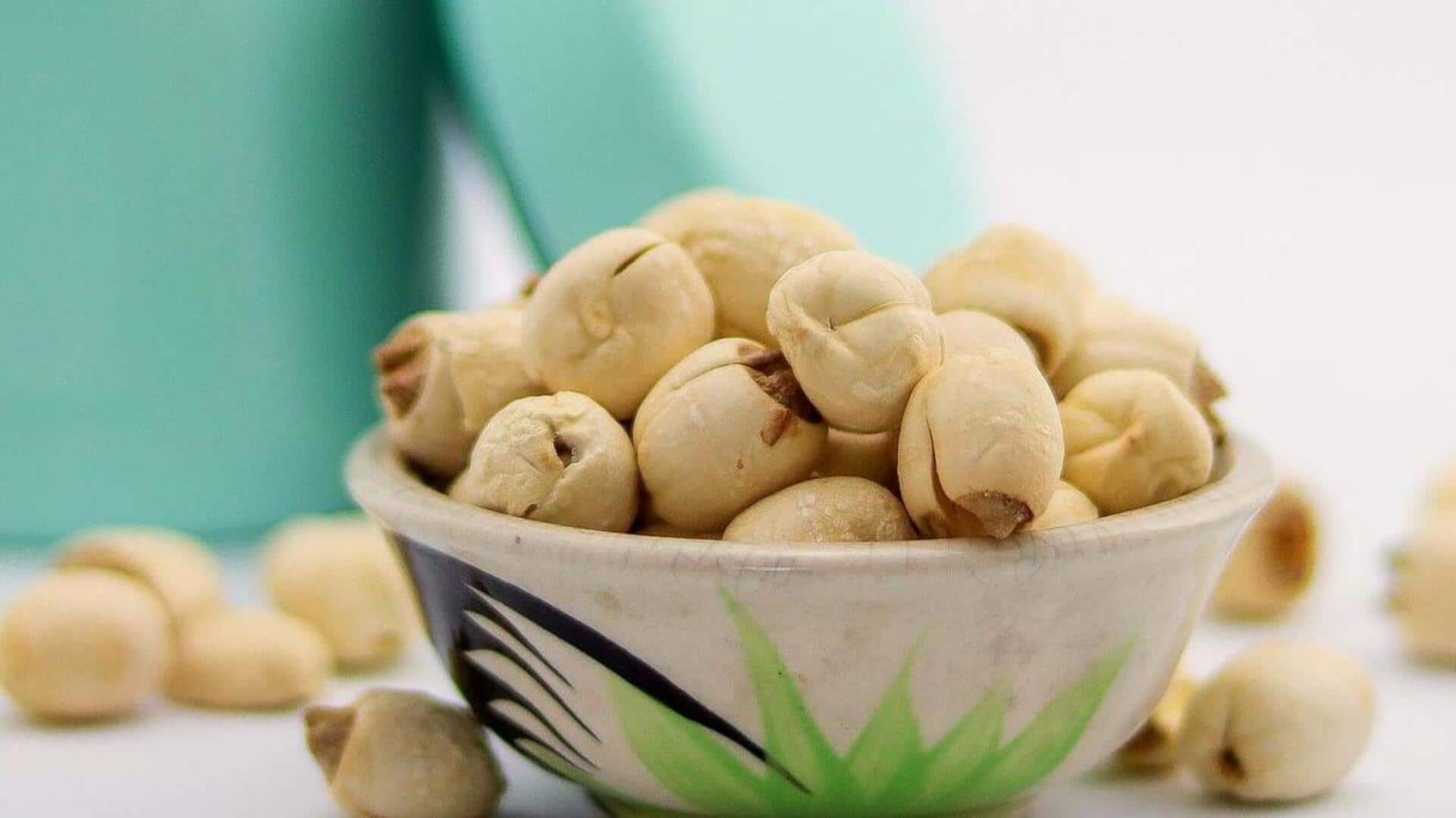
Lotus seeds are also known for their low-calorie content and high antioxidant properties. However, they are not the best source of zinc. A serving of lotus seeds may provide around 10% of the daily recommended intake of zinc. While they do offer some amount of the mineral, they are not the most reliable source for those looking to up their zinc intake.
#2
Zinc content in pumpkin seeds
Pumpkin seeds are famous for being rich in several nutrients, including zinc. A serving of pumpkin seeds can provide as much as 20% of the daily recommended intake of zinc. This makes them a great option for anyone looking to up their mineral intake through diet. The high amount of magnesium and other nutrients makes them even more appealing.
#3
Nutritional benefits beyond zinc
While both lotus and pumpkin seeds provide different nutritional benefits, pumpkin seeds stand out with their higher protein and healthy fat content. Lotus seeds are low in calories and carbohydrates, making them a good option for weight management. Both the seeds provide fiber, which helps with digestion and overall health.
Tip 1
Incorporating seeds into your diet
To reap the benefits of these seeds, include them in your diet the way you like. Sprinkle pumpkin seeds over salads or yogurt for a nutritious crunch, or use lotus seeds as a light snack or in soups. Knowing the nutritional profiles of these seeds can help you make the most of their benefits while enjoying a variety of dishes.