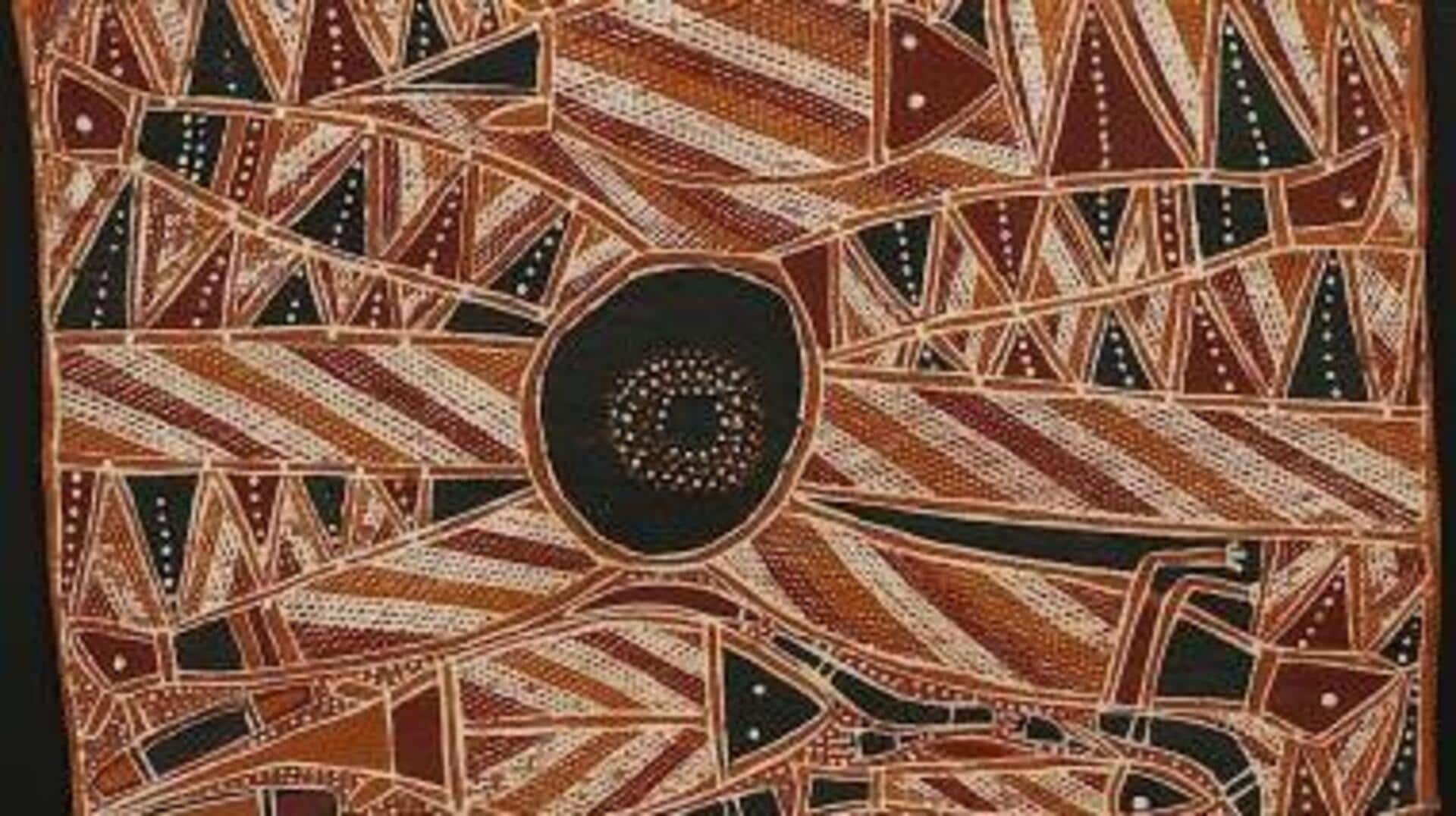
What are bark paintings?
What's the story
African bark painting is a traditional art form that uses natural materials to create beautiful, intricate designs. This technique involves using tree bark as a canvas and natural pigments for coloring. The process is not only eco-friendly but also deeply rooted in cultural heritage. By using readily available materials, artists can create stunning pieces that reflect the rich artistic traditions of Africa. Here are some insights into creating African bark paintings with natural materials.
#1
Selecting the right bark
Choosing the right type of bark is crucial for successful African bark painting.
Traditionally, the inner bark of trees such as the fig or acacia is used due to its smooth texture and durability.
These types of barks are usually stripped off sustainably, without harming the tree's health.
The selected bark should be cleaned thoroughly to remove any dirt or impurities before use.
#2
Natural pigments for coloring
Natural pigments are essential for adding color to your artwork.
These pigments are derived from plants, minerals, and other organic sources. For instance, red ochre can be used for earthy tones, while charcoal can provide deep blacks.
These pigments are mixed with water or plant-based binders to create paint that adheres well to the bark surface.
#3
Tools for application
Traditional tools used in African bark painting include sticks or brushes made from natural fibers.
These tools allow artists to apply paint with precision and control over their designs.
Some artists even use their fingers or leaves as brushes for a more organic feel in their artwork.
#4
Techniques and patterns
Understanding various techniques and patterns is key to mastering this art form.
Common techniques include dotting, line work, and shading with natural pigments.
Patterns often draw inspiration from nature, abstract shapes, or cultural symbols unique to different African communities.
Practicing these techniques will help refine your skills over time.