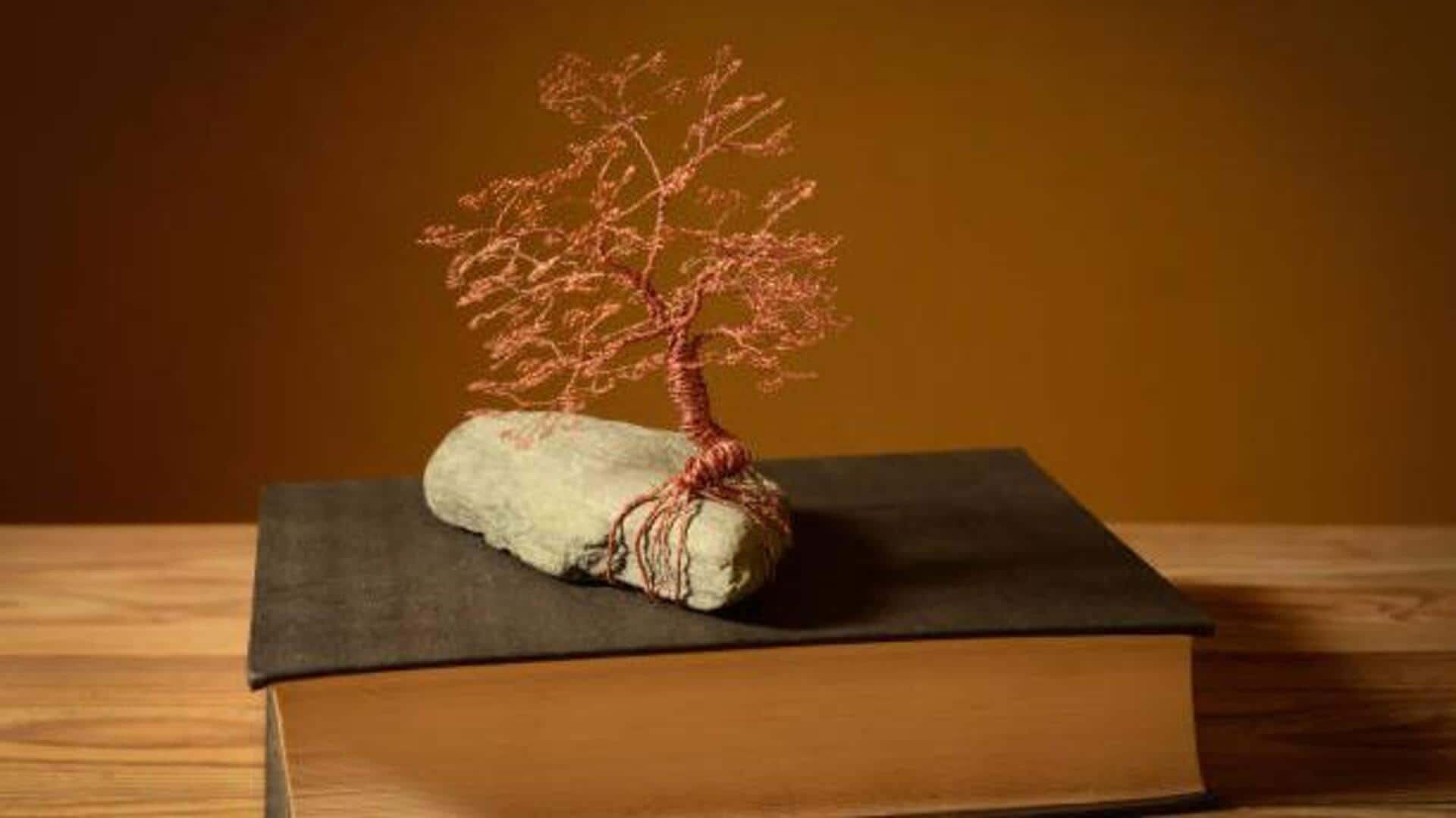
Why African wire art is so captivating
What's the story
African wire art is a fascinating craft that has taken the world by storm with its unique style and creativity. This art form employs colorful wires to create intricate sculptures, reflecting the rich cultural heritage of Africa. The artists bend and twist wires to create everything from animals to abstract shapes. The simplicity and complexity of this art form is what makes it so appealing.
#1
Materials used in wire art
The primary material in African wire art is, of course, wire. Usually, aluminum or copper wire is used because of their malleability and durability. These wires are available in different colors, allowing artists to add vibrancy to their creations. Other materials, like beads or recycled items, may also be used to add texture and detail to the sculptures.
#2
Techniques employed by artists
Artists use various techniques to manipulate the wire into desired shapes. Twisting, bending, and coiling are common methods used to create different forms. Some artists may also incorporate weaving techniques or combine multiple strands of wire for added complexity. The process requires patience and precision, as even small mistakes can alter the final appearance of the sculpture.
#3
Cultural significance of wire art
Wire art is not just a craft, it's a cultural expression. It often depicts traditional African themes, such as animals or symbols, that have deep meanings in different communities. These sculptures are not just decorative pieces, but also storytelling mediums that pass on cultural values and history from one generation to the next.
#4
Economic impact on local communities
The creation and sale of wire art have a significant economic impact on local communities across Africa. Many artists rely on this craft as their primary source of income, selling their work at markets or exporting them internationally. The popularity of wire art has also led to increased tourism in some regions, as visitors seek authentic African crafts during their travels.