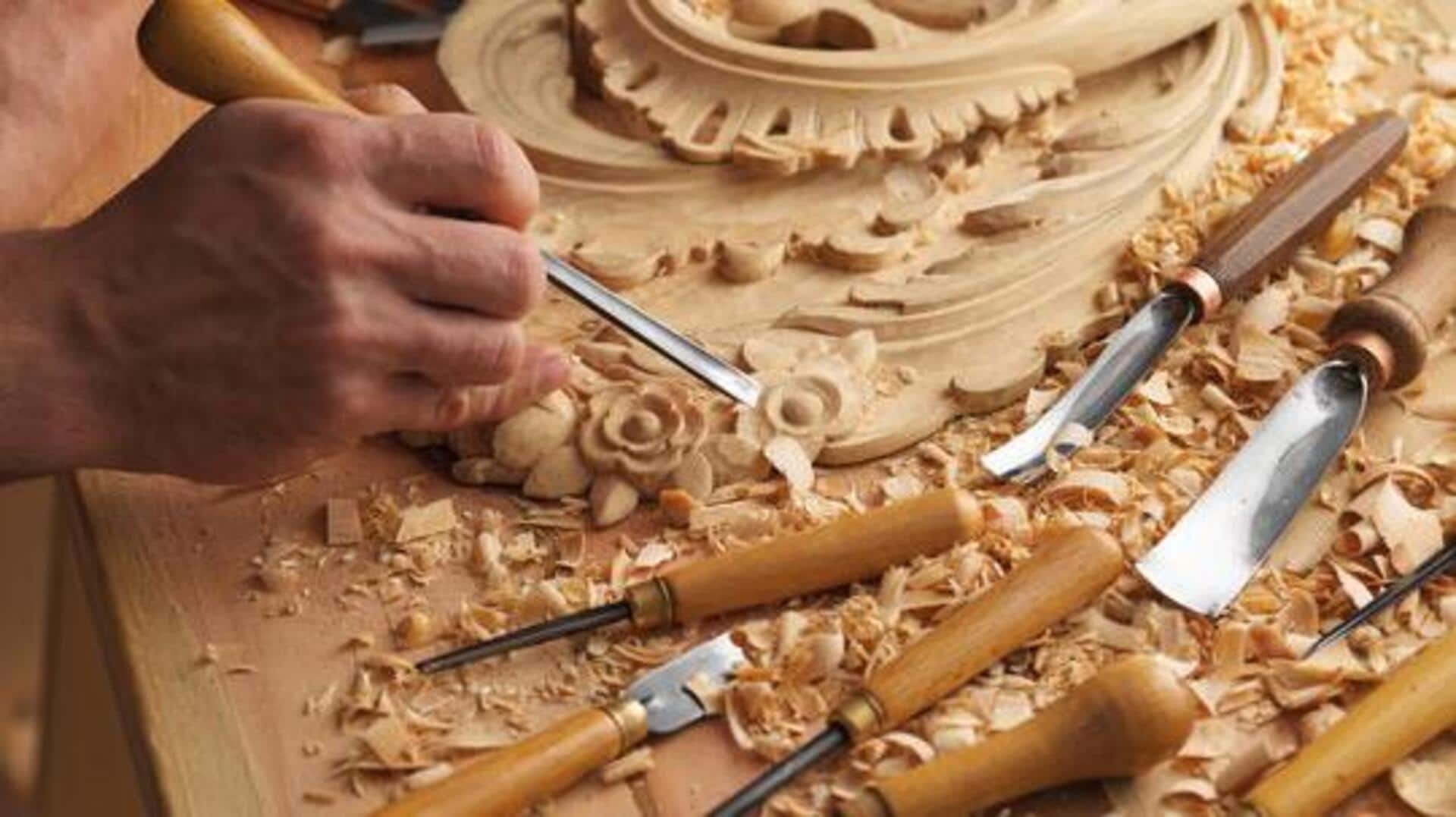
How artisans carve wood into timeless sculptures
What's the story
Creating African-inspired wooden sculptures using hand tools is an art form passed down through generations. This process requires skill, patience, and a deep understanding of cultural significance. The sculptures often reflect the rich heritage and traditions of various African communities. By using traditional hand tools, artisans can create intricate designs that capture the essence of African art. Here are some insights into this timeless craft.
Tip 1
Selecting the right wood
Choosing the right type of wood is essential for sculpting. Hardwoods like mahogany or teak are preferred for their durability and fine grain. These woods allow for detailed carving and withstand the test of time. It is also important to ensure that the wood is ethically sourced to respect environmental sustainability.
Tip 2
Essential hand tools
The basic tools include chisels, mallets, rasps, and knives. Each tool serves a different purpose in shaping and detailing the sculpture. Chisels are used for rough shaping, while rasps help smooth out surfaces. A good quality set of tools is an investment that pays off in precision and longevity.
Tip 3
Understanding cultural significance
Before starting a project, understanding the cultural background of the sculpture is important. Each piece usually tells a story or represents a particular aspect of life or spirituality in African culture. Researching these elements will make your work more authentic and meaningful.
Tip 4
Techniques for detailed carving
Mastering techniques like incising, undercutting, and texturing is key to adding depth to your sculptures. Incising involves making shallow cuts on the surface for patterns or designs. Undercutting creates shadows by carving underneath certain areas without breaking them off completely from the main body of work. Texturing adds tactile interest through various methods, such as stippling or brushing with natural fibers.
Tip 5
Finishing touches
The final step in creating these sculptures is applying finishes like natural oils or waxes. They enhance appearance while protecting against moisture damage over time. This way, the artwork retains its beauty without compromising on quality craftsmanship standards expected from artisans worldwide today.