
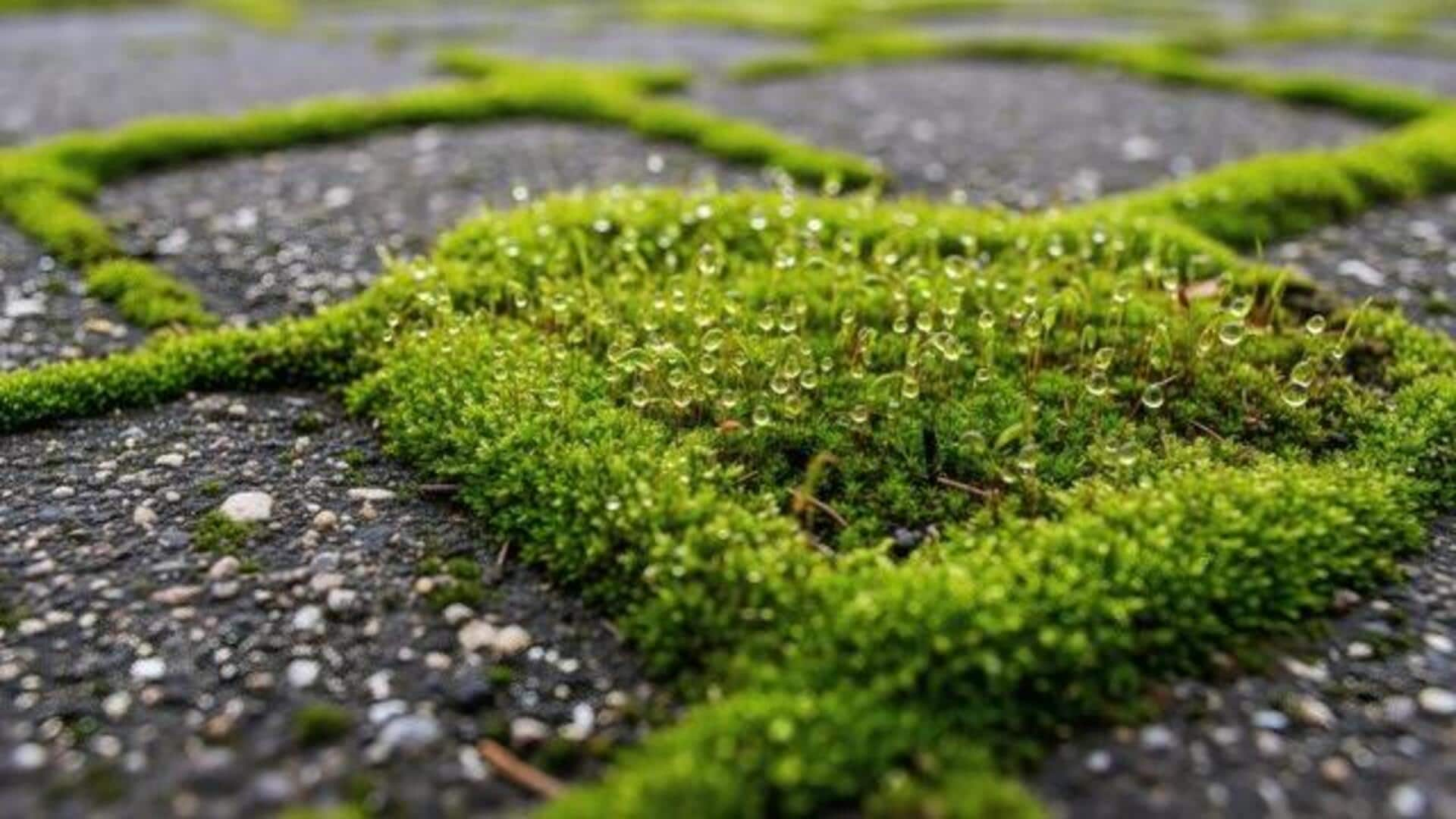
How to grow creeping thyme between paving stones
What's the story
Creeping thyme is a hardy, low-growing plant that makes an excellent choice for filling gaps between paving stones. Its resilience and ability to thrive in poor soil make it an ideal candidate for such spaces. Not only does it add a touch of greenery, but it also releases a pleasant aroma when stepped on. Here's how you can successfully grow creeping thyme between your paving stones.
Tip 1
Choosing the right variety
Selecting the right variety of creeping thyme is essential for success. Common varieties include Thymus serpyllum and Thymus praecox, both of which are well-suited for ground cover. These varieties are drought-resistant and can withstand foot traffic, making them perfect for pathways or patios. Consider your local climate when choosing a variety, as some may prefer more sunlight or moisture than others.
Tip 2
Preparing the soil properly
Proper soil preparation is key to healthy plant growth. Start by removing any weeds or debris from the area between your paving stones. Then, loosen the soil with a garden fork or tiller to improve drainage and aeration. You can also mix in sand or gravel to enhance drainage further, as thyme prefers well-drained soil conditions.
Tip 3
Planting techniques for success
When planting creeping thyme seeds or seedlings, ensure they are spaced adequately to allow for spreading without overcrowding. A spacing of about 15 centimeters works well. Water them lightly after planting but avoid overwatering as this can lead to root rot. Once established, reduce watering frequency since these plants are drought-tolerant.
Tip 4
Maintenance tips for thriving growth
Regular maintenance ensures your creeping thyme flourishes between paving stones. Trim back any overgrown areas periodically to keep them neat and encourage bushier growth. Fertilize sparingly with a balanced fertilizer during the growing season if necessary; however, avoid excessive fertilization as it can harm the plant's natural growth processes.