What makes Dakar's textile art so unique
What's the story
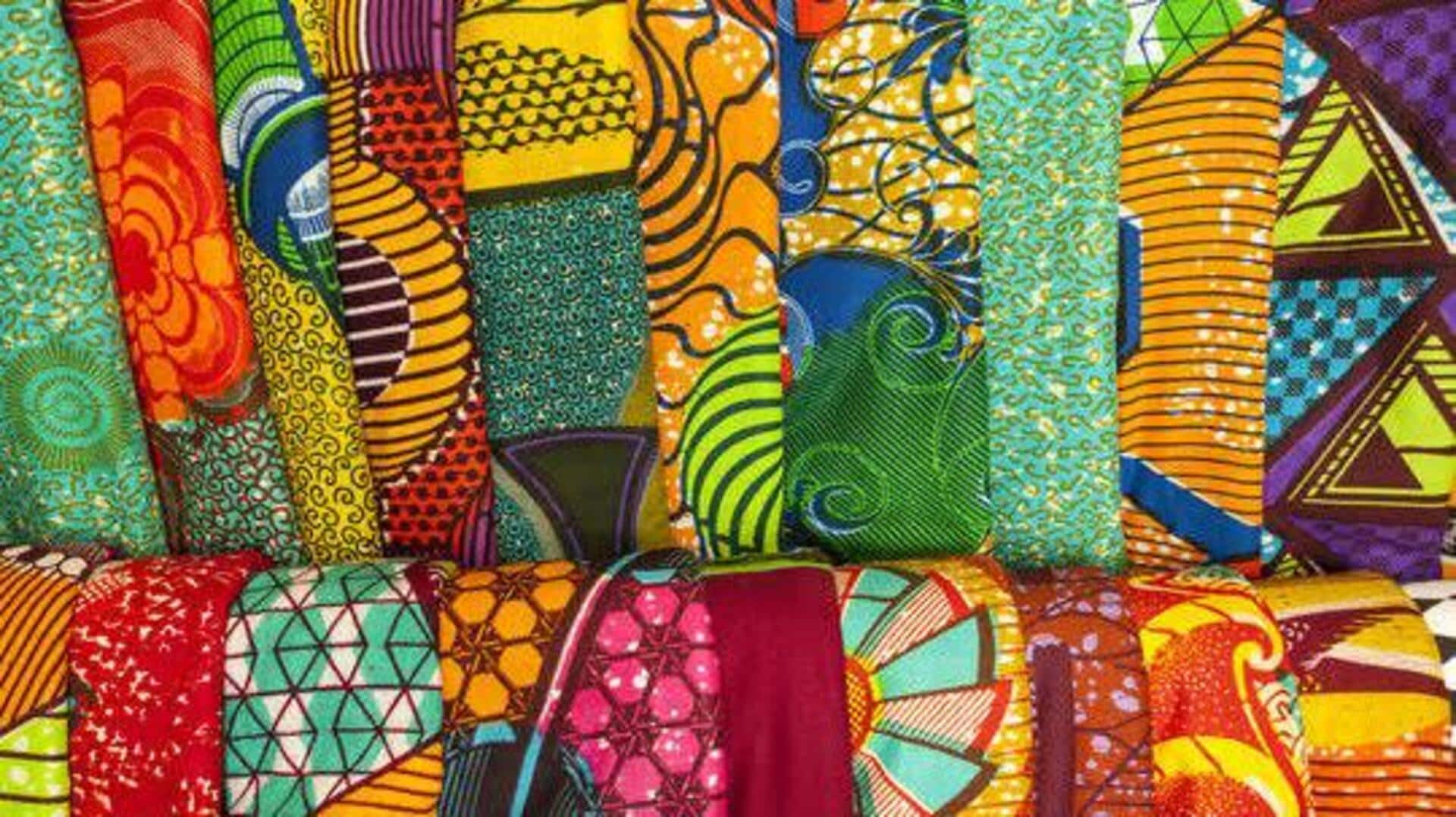
Dakar, the capital of Senegal, is famous for its vibrant textile art scene. The city is a melting pot of cultures and traditions, which is reflected in its unique textile designs. The fusion of modern and ancestral patterns has made Dakar's textiles a favorite among locals and tourists alike. This article explores the distinctive elements that make Dakar's textile art so special.
#1
Traditional techniques in modern designs
Dakar's textile artists are known for blending traditional techniques with modern aesthetics.
Artists often use techniques passed down through generations, like weaving and dyeing, but add contemporary twists to them.
This fusion results in textiles that are not only visually appealing but also rich in cultural significance.
The use of natural dyes and hand-crafted methods ensures each piece is unique.
#2
Symbolism in textile patterns
The patterns used in Dakar's textiles are often symbolic, representing various aspects of life and culture.
Common motifs may depict nature, community life, or historical events.
These symbols serve as a storytelling medium, conveying messages or values through intricate designs.
Understanding these patterns gives insight into Senegalese culture and history.
#3
Influence of global trends
While rooted in tradition, Dakar's textile art has also been influenced by global fashion trends.
Artists often draw inspiration from international styles while maintaining their cultural identity.
This adaptability has allowed Dakar's textiles to appeal to a broader audience, both locally and internationally.
The result is a dynamic art scene that evolves with changing tastes, while honoring its heritage.
#4
Economic impact on local communities
The textile industry plays a crucial role in supporting local economies in Dakar. Many artisans rely on textile production for their livelihoods, contributing to economic growth within communities.
Additionally, the popularity of these textiles boosts tourism, as visitors seek authentic Senegalese products during their travels.
This economic impact highlights the importance of preserving and promoting this artistic tradition.