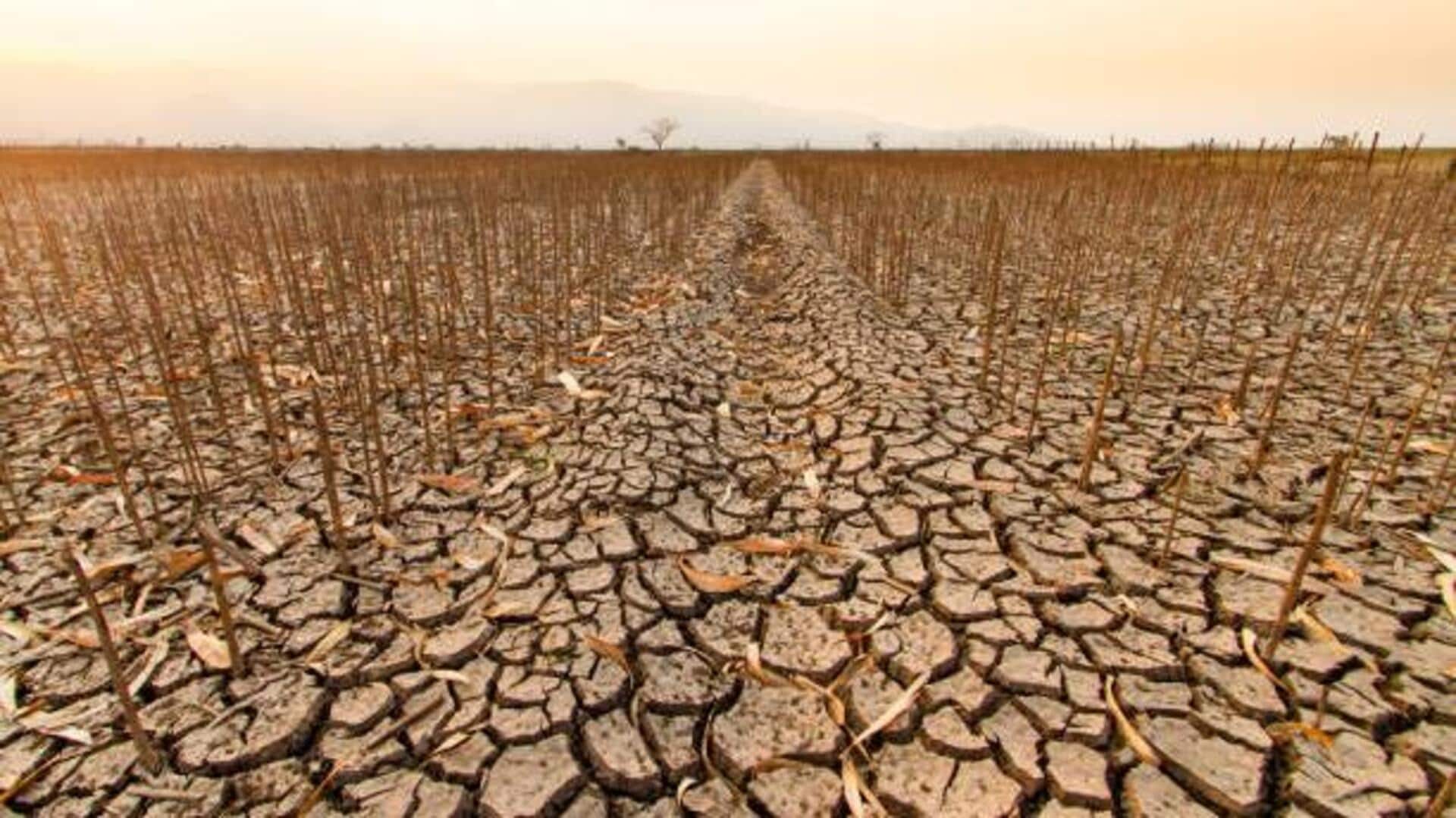
How African artists are highlighting ecological concerns
What's the story
African diaspora artists are using their sculptures to highlight the continent's ecological challenges. The artists are using their work to address issues like deforestation, climate change, and biodiversity loss. Their sculptures often combine traditional African art forms with contemporary techniques, creating pieces that are both visually striking and thought-provoking. Through these works, they aim to raise awareness and inspire action toward protecting Africa's natural heritage.
#1
Addressing deforestation through art
Deforestation is a major problem in Africa, with dire consequences for ecosystems and communities.
Many diaspora artists are using their sculptures to highlight this problem.
By using materials like reclaimed wood or metal, these artists create pieces that reflect the beauty of forests and the threat of their loss.
Their work often sparks conversations about sustainable practices and the need for conservation efforts.
#2
Climate change depicted in sculpture
Climate change has a severe impact on Africa, from erratic weather to rising sea levels. Artists from the diaspora are reflecting these changes in their sculptures, by depicting the impact on communities and wildlife.
Using recycled materials or elements that symbolize transformation, these artists create powerful visual narratives that urge viewers to consider the global climate crisis.
#3
Celebrating biodiversity through sculpture
Africa is home to an incredible diversity of plant and animal life, but many species are endangered due to habitat destruction and poaching.
Diaspora artists celebrate this biodiversity through sculptures that capture the essence of various species.
By showcasing the beauty of these creatures, they hope to foster a greater appreciation for wildlife conservation efforts.
#4
Community engagement in ecological art projects
Many African diaspora artists also engage communities through interactive art projects focused on ecology.
These initiatives often involve workshops or installations where participants can contribute ideas or even create alongside the artist.
Such engagement not only raises awareness about ecological issues, but also empowers communities to take part in environmental stewardship.