Bangladesh's BNP links ties with India to Ganga water treaty
What's the story
Bangladesh's ruling Bangladesh Nationalist Party (BNP) has linked the future of its relationship with India to the renewal of the Ganges Water Sharing Treaty. BNP Secretary General and Minister Mirza Fakhrul Islam Alamgir emphasized that any new agreement should be based on Bangladesh's interests of the Bangladeshi people. The current treaty, which was signed in 1996 during Sheikh Hasina's government, will expire in December this year.
Water reliance
Farakka Barrage and Padma River significance
The Ganges River, known as the Padma in Bangladesh, is vital for agriculture and water supply.
Alamgir said nearly one-third of Bangladesh's population depends on it for their livelihoods.
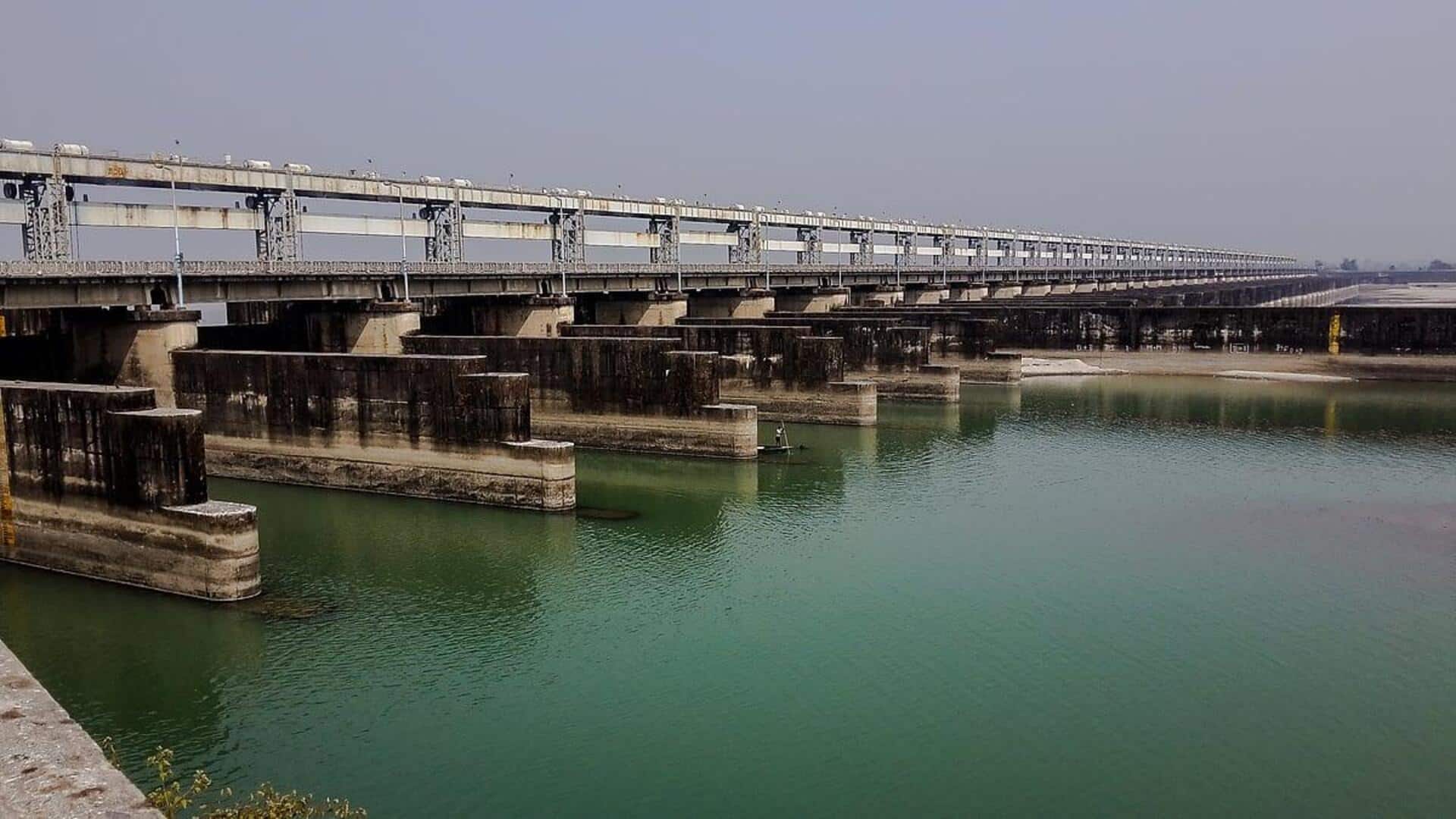
The Farakka Barrage has been a contentious issue as it diverts water into the Hooghly River, allegedly causing salinity intrusion and damaging ecosystems in Bangladesh.
New project
Bangladesh's barrage project on Padma River
Recently, Bangladesh approved a project to build a barrage on the Padma River. The project aims to mitigate the negative impact of the Farakka Barrage and is expected to be completed by 2033.
However, India Today cited experts warning that this could worsen sediment accumulation in Bangladesh's rivers, potentially intensifying concerns already linked to the Farakka Barrage.
Teesta dispute
Teesta water-sharing agreement
The BNP has also criticized former West Bengal Chief Minister Mamata Banerjee over the Teesta water-sharing agreement.
BNP Information Secretary Azizul Baree Helal accused Banerjee's government of blocking progress on the proposed pact.
He welcomed Bharatiya Janata Party's victory in West Bengal, hoping it would revive negotiations on the Teesta issue due to closer coordination between Dhaka and Kolkata.
Ongoing discussions
India's response on bilateral water issues
India has said that all water-related issues with Bangladesh are being addressed through established bilateral mechanisms.
Ministry of External Affairs spokesperson Randhir Jaiswal said these mechanisms meet regularly to discuss transboundary water issues.
He also reiterated India's position on the Indus Waters Treaty, saying it remains "in abeyance" due to Pakistan's support for terrorism.