
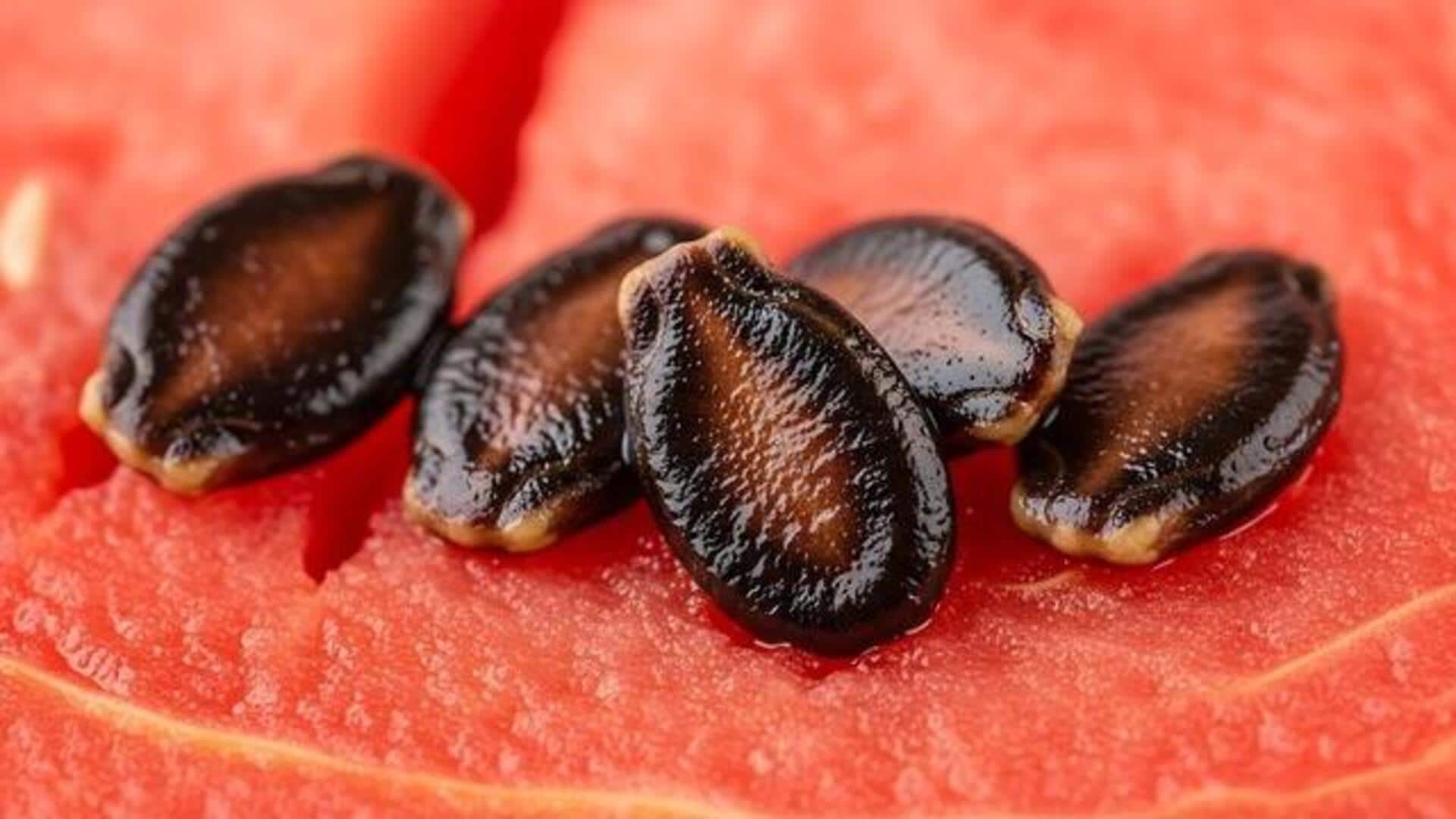
Melon seed oil: Nutrition, culinary uses, and more
What's the story
Egusi seed oil, extracted from African melon seeds, is gaining attention for its potential benefits. Rich in essential fatty acids and vitamins, this oil is traditionally used in African cuisine and medicine. With a growing interest in natural health solutions, egusi seed oil offers a unique alternative to more commonly known oils. Its nutritional profile suggests possible advantages for skin care and overall wellness.
#1
Nutritional profile of egusi seed oil
Egusi seed oil is loaded with linoleic acid, an essential fatty acid that promotes heart health. The oil also contains oleic acid, which is good for lowering bad cholesterol levels. Apart from that, it is rich in antioxidants such as vitamin E that protect the body from oxidative stress. All these nutrients make it a healthy addition to your diet.
#2
Skin care benefits
The moisturizing properties of egusi seed oil make it a great pick for skin care. It penetrates the skin well without making it greasy, making it ideal for all skin types. The vitamin E content helps repair damaged skin and promotes elasticity. Regular use may help reduce the appearance of fine lines and wrinkles.
#3
Culinary uses and advantages
In terms of culinary uses, egusi seed oil has a light flavor that goes well with a number of dishes. It can be used for frying or as a salad dressing base. Its high smoke point makes it suitable for cooking at high temperatures without losing nutritional value. Adding this oil to your diet may provide heart-healthy fats while enhancing the taste of your meals.
#4
Potential health benefits
Beyond skin care and cooking, egusi seed oil may offer other health benefits due to its nutrient composition. Some studies suggest that the fatty acids present in this oil could help reduce inflammation and support brain function. While more research is needed to fully understand these effects, incorporating egusi seed oil into your routine could contribute positively to your health.