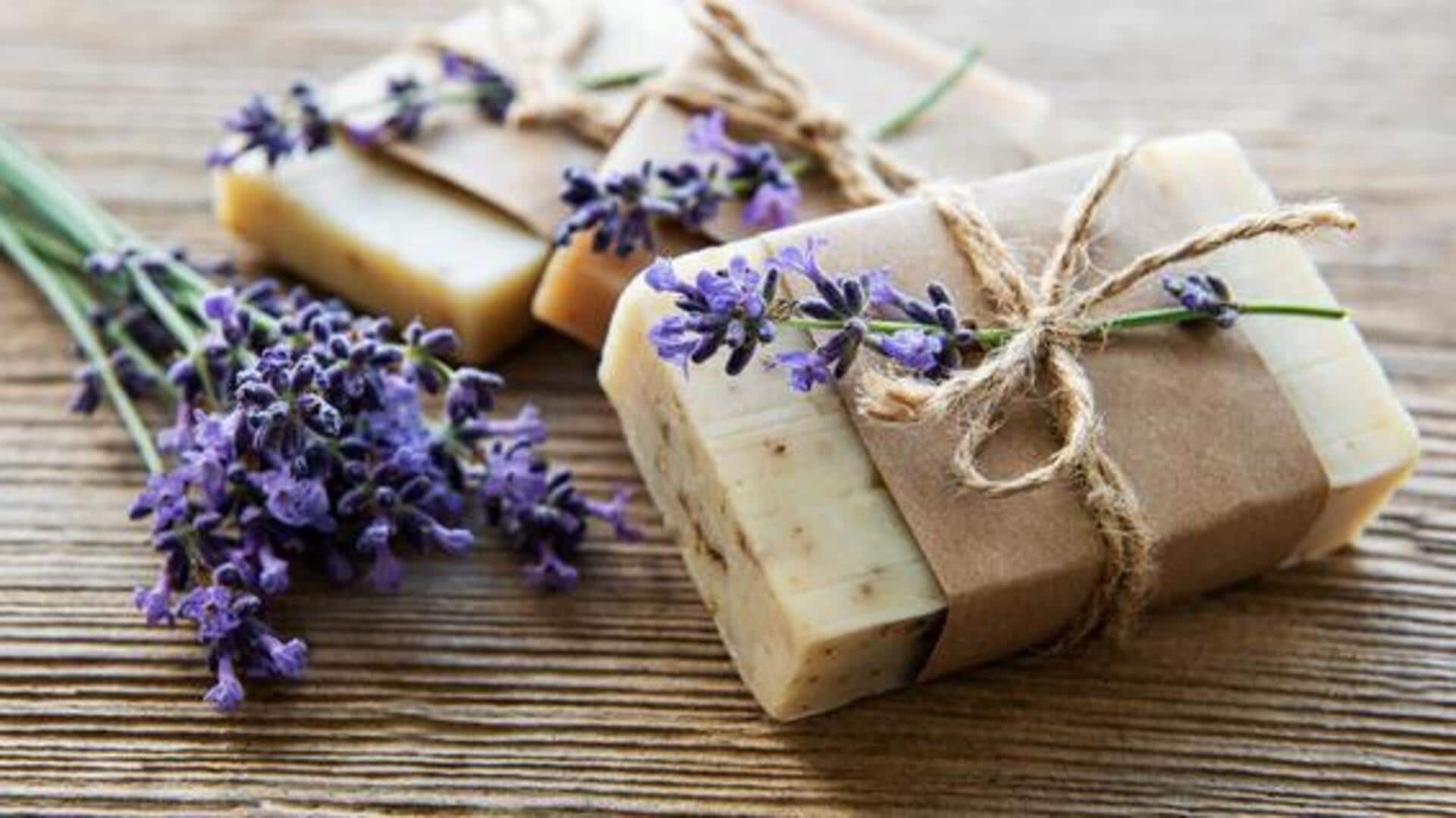
Why artisanal soaps are trending in skincare
What's the story
African artisanal soaps are making waves for their unique ingredients and traditional methods. These soaps, often handmade, use natural resources indigenous to the continent. They not only cleanse but also nourish the skin with botanical extracts and oils. The rise of these products showcases a growing interest in sustainable skincare solutions that celebrate Africa's rich biodiversity. Here is a look at some notable African artisanal soaps, and what makes them special.
#1
Shea butter: A West African treasure
Shea butter is a staple in West African skincare, famous for its moisturizing properties. Extracted from the nuts of the shea tree, it is rich in vitamins A and E.
Many local artisans blend shea butter with other natural ingredients, like honey or essential oils, to make nourishing soaps.
These blends not only hydrate the skin but also soothe irritation and promote elasticity.
#2
African black soap: A cleansing powerhouse
Originating from West Africa, African black soap is famous for its deep cleansing properties.
Made from plantain skins, cocoa pods, palm leaves, and shea butter, this soap is rich in antioxidants.
It helps remove impurities without stripping the skin of its natural oils.
Many people use it to help with acne or uneven skin tone due to its gentle exfoliating action.
#3
Marula oil: The Namibian secret
Marula oil, extracted from the nuts of the marula tree in Namibia, is packed with antioxidants and fatty acids.
This oil is often added to artisanal soaps for its hydrating benefits. It penetrates deep into the skin to lock moisture in, making it perfect for dry or sensitive skin types.
The lightweight texture of marula oil makes it an ideal ingredient for daily use.
#4
Rooibos tea: South Africa's antioxidant gift
Rooibos tea, native to South Africa, is loaded with antioxidants that fight free radicals on the skin.
Artisans mix rooibos tea into their soap recipes to reap its anti-aging benefits.
The tea's natural compounds calm inflammation and improve skin texture over time.
Using rooibos-infused soap can give you a more even-toned complexion while protecting against environmental stressors.
Tip 5
Baobab oil: The 'Tree of Life' contribution
Often referred to as "The Tree of Life," baobab trees provide nutrient-rich oil used in many African artisanal soaps.
Baobab oil is packed with omega fatty acids that nourish and repair damaged skin cells.
It also improves elasticity and firmness over time when used regularly as part of a skincare routine focused on natural remedies, rather than chemical alternatives found elsewhere globally today.