
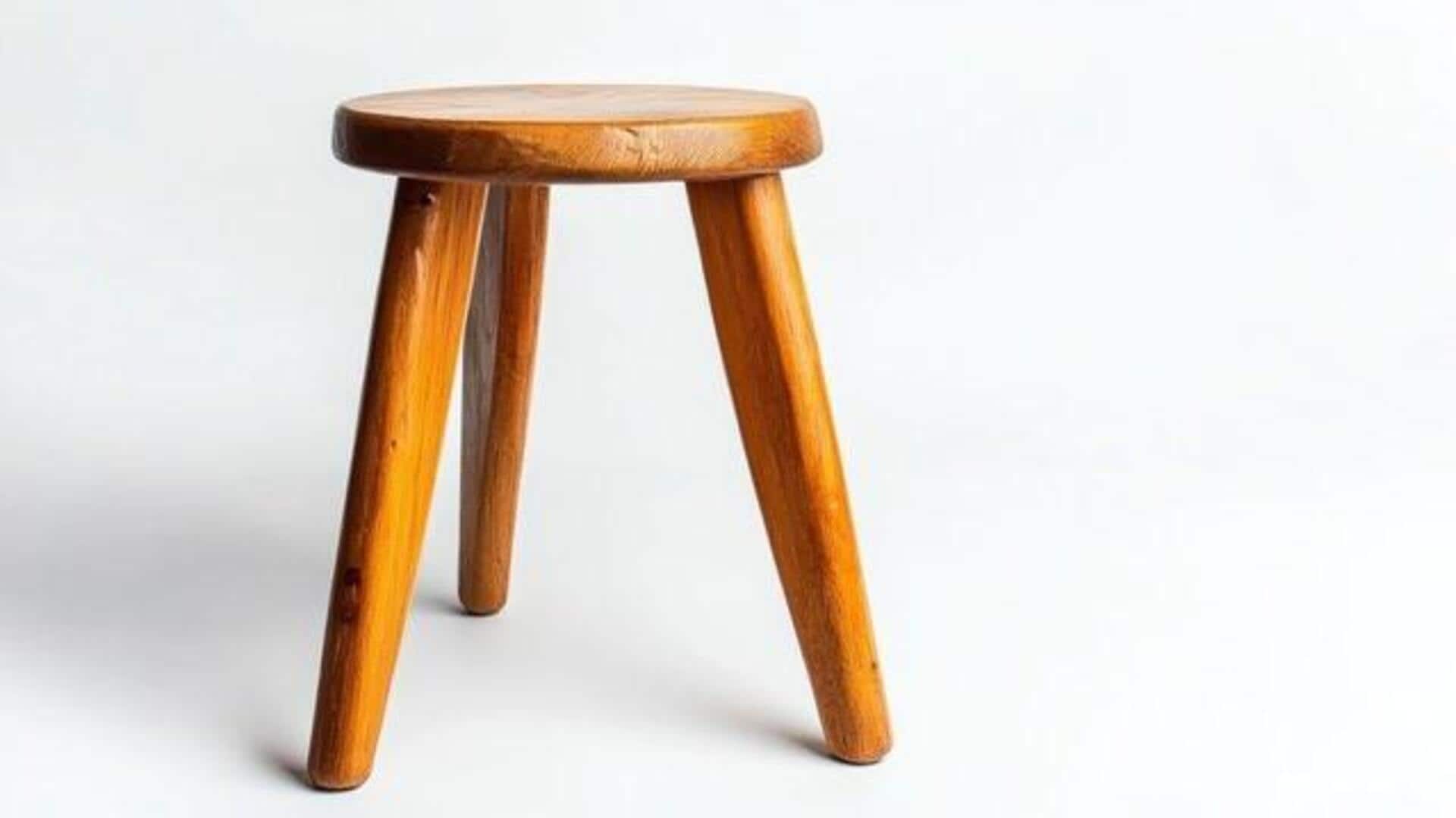
Sustainable furniture: How to make papyrus stools
What's the story
African papyrus is a versatile plant that can be used for a number of DIY projects, including making rustic stools. The natural fibers of papyrus make it a durable and eco-friendly option for seating solutions. Not only are these stools functional, they also add a touch of cultural heritage to any space. Here's how you can make your own African papyrus stools with some simple steps and materials.
Materials
Gathering materials
To make African papyrus stools, you will first need to collect the right materials. You will need papyrus stalks, which can be found near water bodies in Africa. Apart from that, you will also need sturdy wooden frames to support the stool's structure. Some tools like a saw, rope or twine for binding, and a knife for cutting papyrus into strips are also essential.
Preparation
Preparing papyrus fibers
Once you have collected the papyrus stalks, you must prepare them for use. Start by peeling off the outer layer of each stalk to reveal the inner pith. Cut this pith into thin strips that will be woven together to form the seat of the stool. Soak these strips in water to make them more pliable before using them in your design.
Frame construction
Constructing the stool frame
The next step is to construct a sturdy frame that will support your stool. Use hardwood or bamboo for durability and strength. Cut pieces according to your desired height and width specifications, ensuring they fit together securely without wobbling when assembled. Use nails or screws as needed, but ensure they don't protrude outwards, causing injury.
Weaving technique
Weaving papyrus strips together
With your prepared papyrus fibers ready, it's time to weave them together tightly over your wooden frame base. Start by laying down one strip horizontally across, then weave another vertically through it, creating an interlocking pattern. Repeat this process until you cover the entire surface area required for seating comfortably. Adjust tension as necessary while ensuring each strand remains securely in place throughout.
Final steps
Finishing touches
After completing both seating area and structural assembly phases successfully, add finishing touches like sanding rough edges, applying natural oils, sealing surfaces against moisture damage, and enhancing aesthetic appeal. Consider adding decorative elements such as carvings, etchings, or paint if desired, to personalize the final product further.