Why climbers are drawn to Africa's Drakensberg range
What's the story
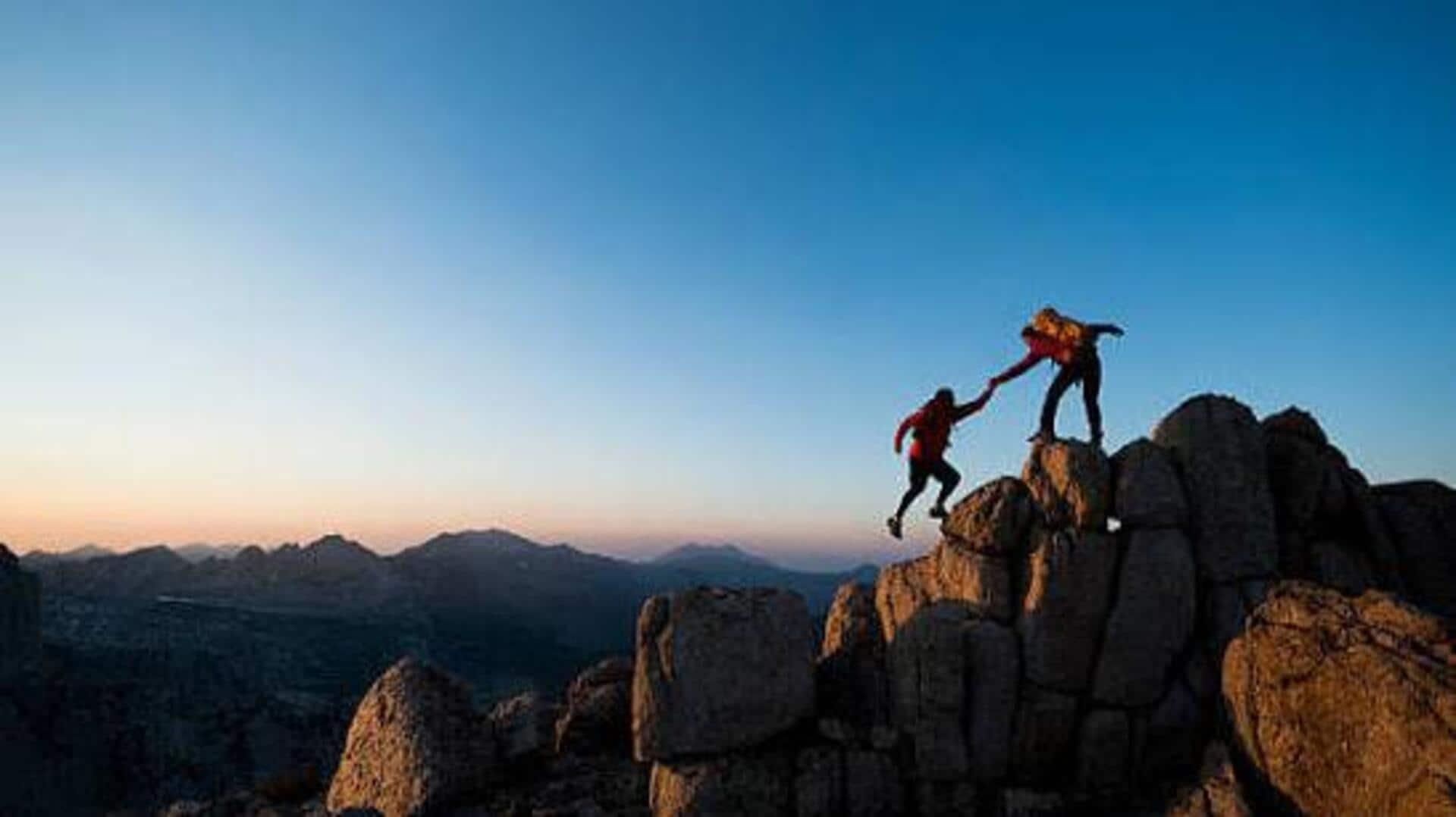
Drakensberg Mountains in Southern Africa are famous for their stunning landscapes and tough climbing routes. The region's pinnacles provide climbers with a unique experience, testing their skills and offering breathtaking views. These natural formations are not only a test of physical endurance but also a chance to connect with nature in its purest form. From seasoned climbers to amateurs looking for adventure, Drakensberg's pinnacles have something for everyone.
#1
Exploring Cathedral Peak
Cathedral Peak is one of the most famous pinnacles in the Drakensberg range. Famous for its steep granite faces, it attracts climbers from all over the world.
The climb is difficult and requires technical skills and proper equipment. However, the panoramic views from the top make all the effort worth it.
The peak is also surrounded by diverse flora and fauna, adding to its charm.
#2
The challenge of Mont Aux Sources
Mont Aux Sources is famous for its breathtaking views and tough climbs.
The ascent is steep and requires climbers to be physically fit and mentally prepared.
The peak is also famous for its rolling grasslands and crystal-clear streams, making it a perfect spot for nature lovers.
Climbers should be prepared for sudden weather changes, as conditions can vary quickly in this region.
#3
Tips for climbing Thabana Ntlenyana
Thabana Ntlenyana, the highest peak in the Drakensberg Mountains, is a must-visit for climbers.
It is not just about reaching the top but also about enjoying the journey.
The climb is relatively easier than others in the region, but climbers should still be prepared for the challenges ahead.
Proper gear, hydration, and awareness of the weather are key to a safe and enjoyable experience.
Tip 1
Safety measures on Drakensberg pinnacles
Safety should always be the top priority when climbing in Drakensberg.
Climbers should always inform someone about their plans before heading out.
Carrying a map or GPS device can be life-saving, as the terrain can be tricky, and paths are not always clearly marked.
Weather conditions can change quickly, so it is best to check forecasts before heading out.