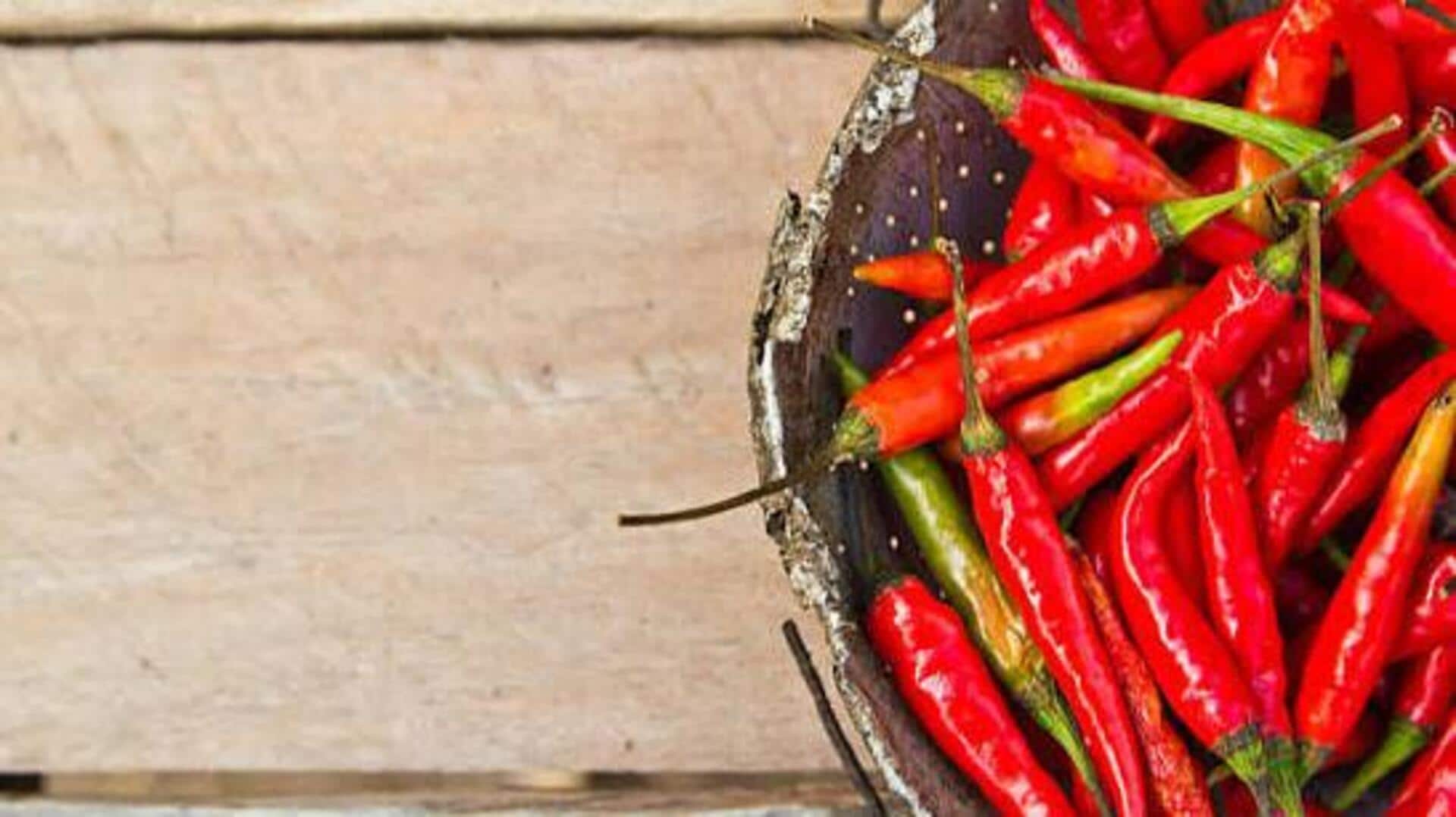
Guinea pepper: Nutrition, culinary uses, and more
What's the story
African guinea pepper, a spice with a long history of traditional use, is gaining attention for its potential health benefits. This spice, native to Africa, is known for its unique flavor and aroma. It has been used in various cultures for culinary and medicinal purposes. Exploring the benefits of this spice can offer insights into its role in promoting wellness and enhancing daily routines.
Nutrients
Nutritional value of African guinea pepper
African guinea pepper is rich in essential nutrients, such as vitamins A and C, which are important for immune function and skin health.
It also contains minerals like calcium and iron, which support bone health and blood production.
The presence of antioxidants helps combat oxidative stress in the body.
Health boost
Potential health benefits
The consumption of African guinea pepper may offer several health benefits. It is believed to aid digestion by stimulating gastric juices.
Its anti-inflammatory properties could help reduce swelling and pain associated with various conditions.
Some studies suggest it may have antimicrobial effects that help fight infections.
Cooking tips
Culinary uses in daily life
Incorporating African guinea pepper into your meals can enhance flavor while providing nutritional benefits.
It can be used as a seasoning for soups, stews, or sauces to add depth to the taste profile.
Grinding it into a powder allows for easy integration into spice blends or marinades.
Daily use
Tips for incorporating into routines
To reap the benefits of African guinea pepper regularly, consider adding it to your morning smoothie or tea for an antioxidant boost.
Using it as part of a spice blend on roasted vegetables or grains can make your meals healthier, without compromising on taste.