Energy efficiency loans for homes: A complete guide
What's the story
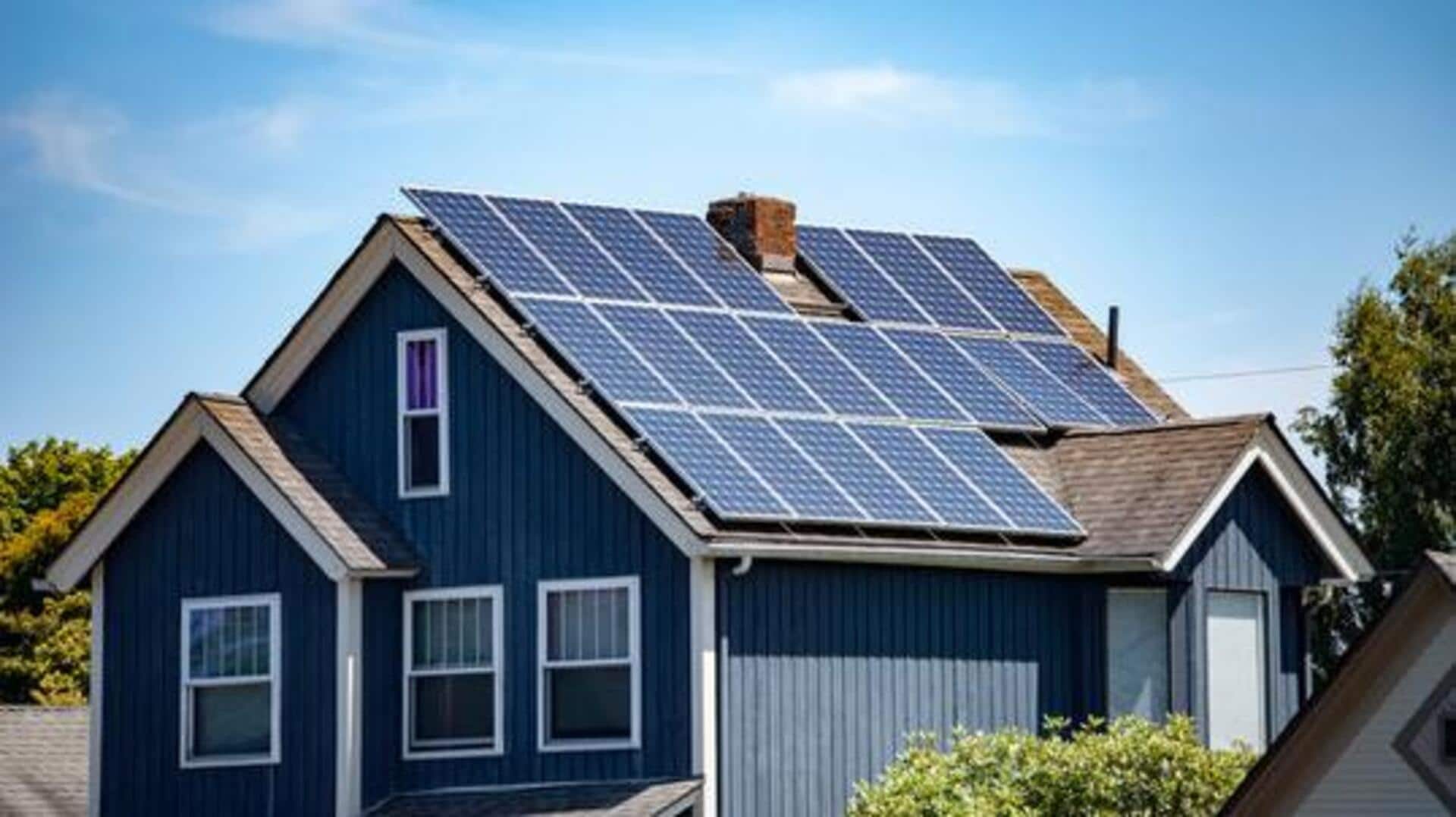
Energy efficiency loans are becoming increasingly popular as a means to make homes more sustainable. These loans provide homeowners with the financial assistance they need to invest in energy-saving upgrades, such as better insulation, efficient heating systems, and solar panels. By minimizing energy consumption, these upgrades not only help the environment but also lower utility bills. Here's everything you need to know about energy efficiency loans.
#1
Understanding energy efficiency loans
Energy efficiency loans are specifically designed to fund home upgrades that reduce energy consumption.
They usually come with lower interest rates than standard loans, making them more affordable for homeowners.
The funds can be used for a variety of improvements, including installing energy-efficient windows, upgrading HVAC systems, and adding insulation.
The goal is to help homeowners make sustainable choices without the burden of high upfront costs.
#2
Types of energy efficiency upgrades
Common upgrades financed by these loans include solar panel installations, which harness renewable energy; high-efficiency lighting systems that consume less power; and smart thermostats that optimize heating and cooling.
Other options include weatherproofing measures, like sealing gaps in doors and windows, or replacing outdated appliances with modern ones designed for lower energy use.
#3
Benefits beyond cost savings
Apart from cutting down on utility bills, energy efficiency upgrades can also increase your home's value.
A property with green features is often more attractive to buyers looking for sustainable living options.
Further, these improvements contribute to a smaller carbon footprint by minimizing greenhouse gas emissions from residential energy use.
Tip 1
Tips for securing an energy efficiency loan
To secure an energy efficiency loan, start by researching lenders who specialize in this area.
Compare interest rates and repayment terms to find the best fit for your financial situation.
Prepare documentation detailing your planned upgrades and their expected impact on reducing energy consumption.
This information can strengthen your application by demonstrating the potential benefits of the proposed improvements.