Enset: All about this Ethiopian superfood
What's the story
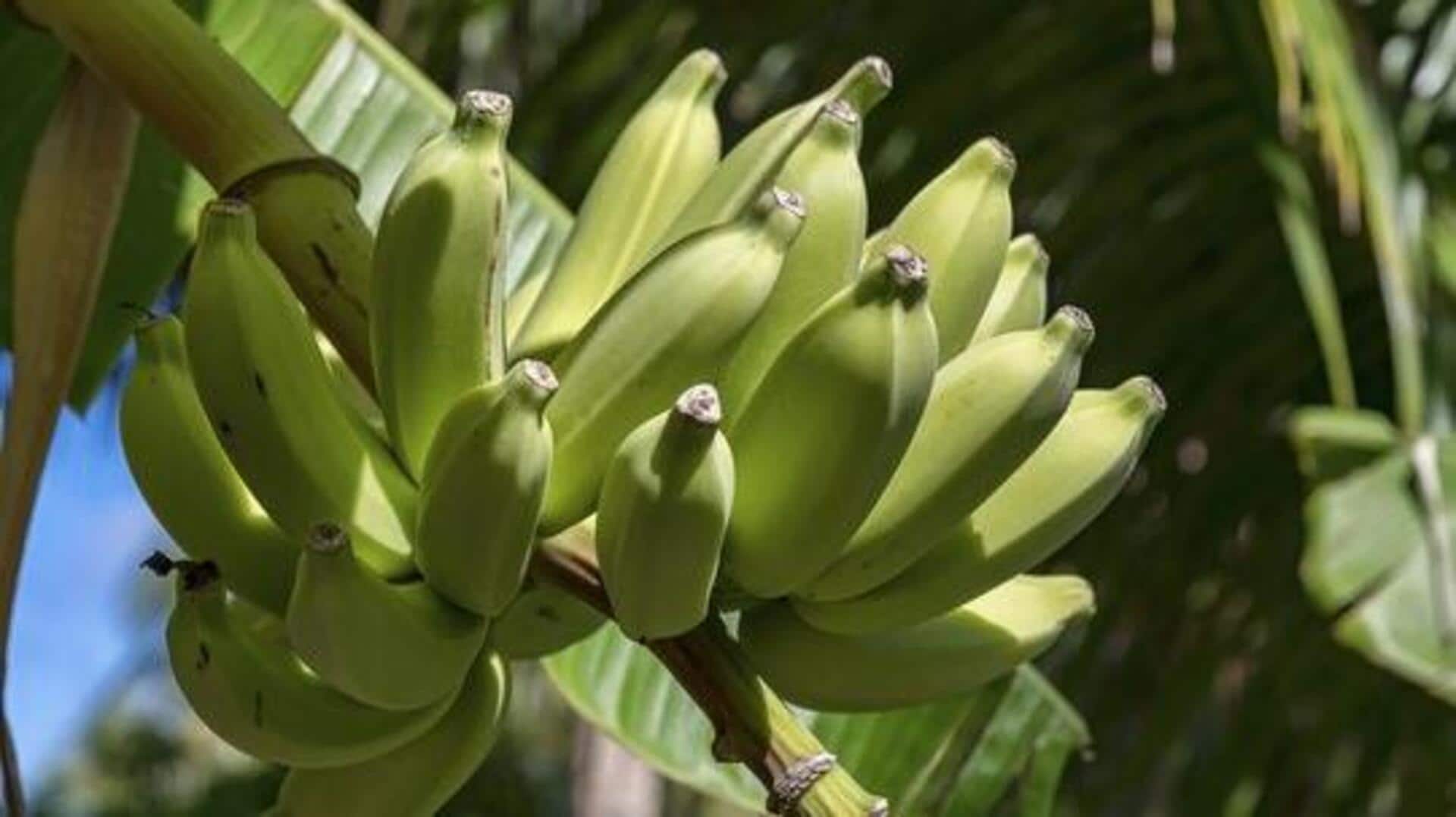
Enset, a staple crop in Ethiopia, is taking the world by storm with its versatility in plant-based dishes. Often referred to as false banana, enset is a drought-resistant plant that grows in the highlands of Ethiopia. Its ability to thrive in harsh conditions makes it an important food source for many communities. The plant's versatility allows it to be used in various culinary applications, making it an exciting ingredient for those exploring plant-based diets.
#1
Nutritional benefits of enset
Enset is packed with essential nutrients that make it a great addition to any diet.
It is rich in carbohydrates and provides a good source of dietary fiber.
The plant also has vitamins such as vitamin C and B vitamins, which are important for overall health.
Its low-fat content makes it an ideal choice for anyone looking to maintain a healthy lifestyle while enjoying nutritious foods.
#2
Culinary uses of enset
The versatility of enset extends beyond traditional Ethiopian cuisine.
The starchy pseudostems can be fermented and used to make bread-like products called kocho or used as a base for various dishes.
The leaves are also used as wraps for cooking other ingredients, adding flavor and moisture during the cooking process.
This adaptability makes enset an exciting ingredient for chefs experimenting with new flavors and textures.
#3
Environmental impact of Enset cultivation
Cultivating enset has a positive impact on the environment, owing to its resilience to climate change and low water requirement.
It grows well in poor soils where other crops may fail, thus promoting biodiversity and soil conservation.
By growing enset, farmers can contribute to sustainable agriculture practices while ensuring food security in their communities.
#4
Economic importance of enset farming
Enset farming is not just about nutrition; it also plays an important role in the economy of many Ethiopian communities.
The crop provides jobs throughout its cultivation cycle, from planting through harvesting stages like processing into edible forms like kocho or bulla flour used locally or exported abroad, depending on demand levels at any given time.