All about Ethiopian stone sculpting
What's the story
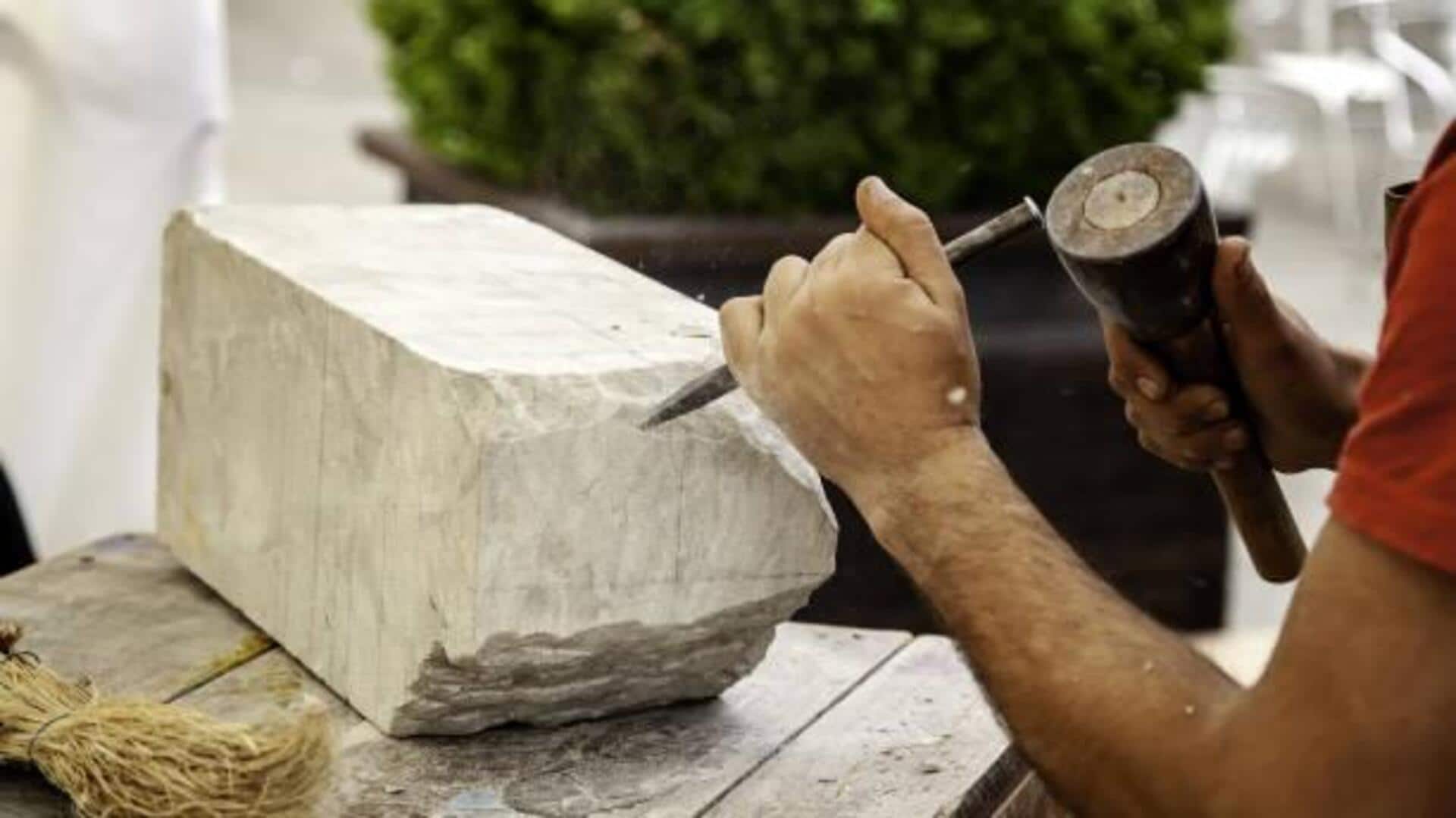
Ethiopian stone sculpting is an ancient art form that has been practiced for centuries. However, in recent times, this traditional craft has seen a contemporary twist, attracting new interest and appreciation. The fusion of modern techniques with traditional methods has resulted in innovative sculptures that reflect both cultural heritage and contemporary aesthetics. This evolution not only preserves the art form but also revitalizes it for future generations.
#1
Blending tradition with modernity
Artists are now blending traditional Ethiopian motifs with modern design elements. This fusion creates pieces that resonate with a wider audience while maintaining cultural significance.
The use of abstract forms and geometric patterns is becoming common, appealing to contemporary tastes without losing the essence of Ethiopian artistry.
#2
Incorporating new materials
While stone remains the primary medium, artists are experimenting with other materials like metal and wood.
These additions enhance the texture and visual appeal of sculptures.
By integrating different materials, artists can create more dynamic pieces that stand out in both local and international art scenes.
#3
Embracing technology in sculpting
Technology has also made its way into Ethiopian stone sculpting. Artists are now using tools like CNC machines for precision cutting, which was previously done by hand.
This not only speeds up the process but also allows for more intricate designs that were difficult to achieve traditionally.
#4
Expanding global reach through exhibitions
Ethiopian stone sculptors are showcasing their work at international exhibitions, exposing global audiences to this unique art form.
These exhibitions give artists a platform to display their innovative creations and promote cultural exchange.
The global reach also opens up new markets for Ethiopian artisans, encouraging economic growth within the community.