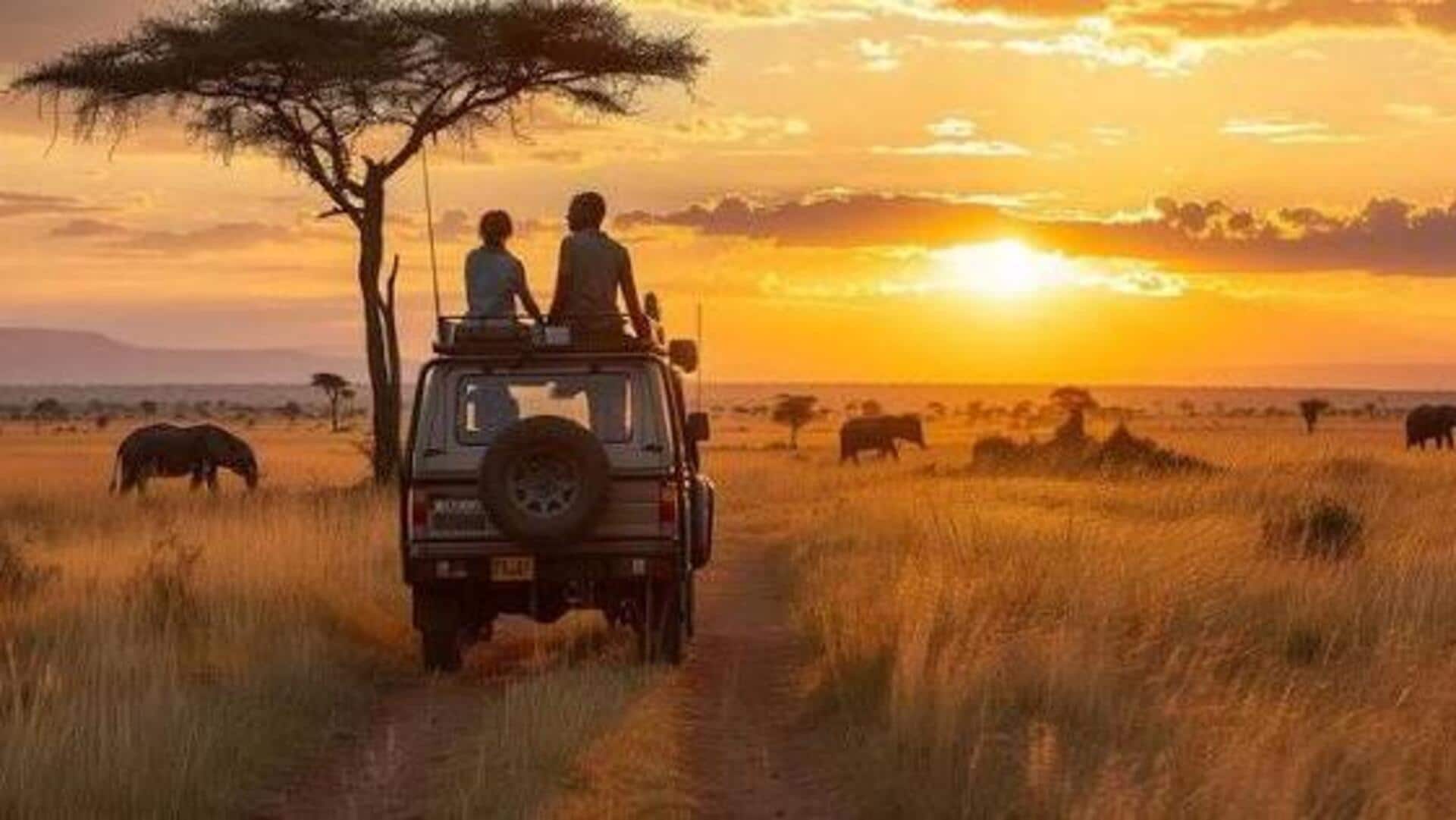
How to experience a sustainable safari
What's the story
Exploring Africa's pristine savannahs on a sustainable safari is a unique experience. It gives you a chance to witness the continent's diverse wildlife and landscapes, all while being eco-conscious. These safaris focus on minimizing the impact on the environment, giving you a chance to connect with nature without harming it. From tracking elephants to watching lions, every moment is unforgettable.
Operator selection
Choosing eco-friendly safari operators
Selecting an eco-friendly safari operator is crucial for a sustainable experience.
Look for companies that emphasize conservation and community involvement.
Many operators also contribute to local conservation projects, and support community development initiatives.
Research their practices and certifications to ensure they align with sustainable tourism principles.
Conservation insights
Understanding wildlife conservation efforts
Wildlife conservation is at the heart of many safari experiences. Tourists can learn about efforts to protect endangered species and habitats from their guides.
These initiatives often include anti-poaching measures, habitat restoration projects, and community education programs.
Understanding these efforts adds depth to the safari experience.
Community interaction
Engaging with local communities
Engaging with local communities enriches the safari experience while promoting sustainability.
Many tours include visits to local villages, where travelers can learn about traditional lifestyles and participate in cultural exchanges.
This interaction supports economic development in local communities and fosters mutual respect between visitors and residents.
Travel tips
Tips for responsible travel on safari
Responsible travel is key to keeping Africa's savannahs pristine.
Carry reusable water bottles, avoid single-use plastics, and respect wildlife by keeping a safe distance.
Stick to designated paths to minimize your impact on natural habitats.
These small steps contribute to preserving the environment for future generations.