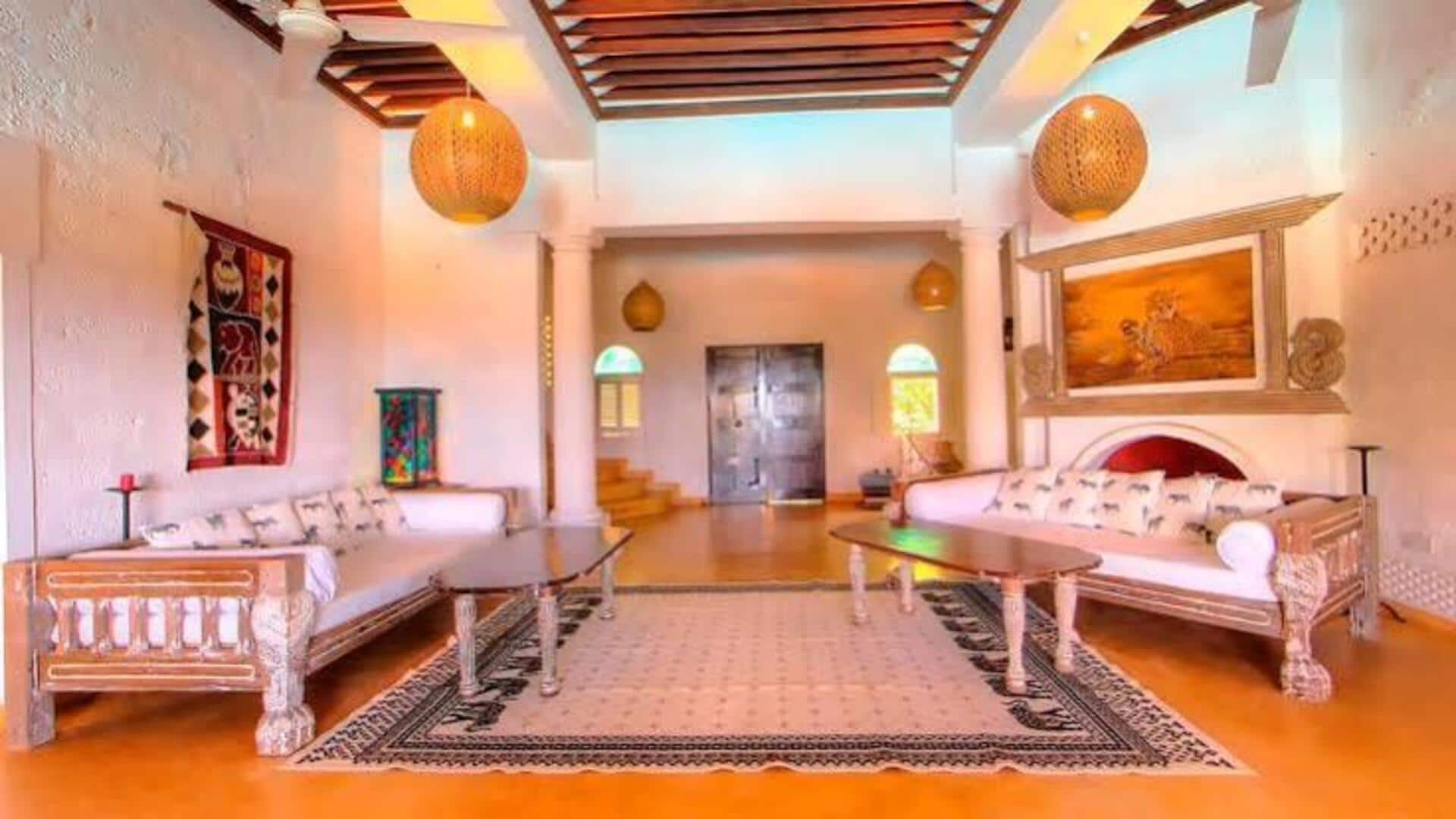
What is Swahili architecture?
What's the story
Lamu, an island off the Kenyan coast, is famous for its well-preserved Swahili architecture and rich cultural heritage. The narrow streets, intricately carved doors, and coral stone buildings tell the story of centuries-old craftsmanship. Cultural tours in Lamu give you a chance to explore this architectural marvel up close. You can learn about the island's history, meet local artisans, and understand the traditional building techniques that have been passed down through generations.
#1
Discovering Swahili architecture
Swahili architecture in Lamu is characterized by large courtyards, intricately carved doors, and latticed windows.
The buildings are made of coral stone, which is locally available and gives the structures durability and uniqueness.
On cultural tours, visitors can see the different styles of Swahili houses that reflect the social status of their owners.
The architecture is not just functional but also an expression of artistic creativity.
#2
Exploring Old Town Lamu
Old Town Lamu is a UNESCO World Heritage site and one of the best-preserved Swahili towns in East Africa.
The maze-like streets are lined with traditional houses that have stood the test of time.
Walking tours allow visitors to soak in the atmosphere of this historical place, while learning about its significance from local guides.
The town's layout also reflects its adaptation to coastal living.
#3
Engaging with local artisans
Local artisans in Lamu are masters at their craft, be it wood carving or weaving.
Cultural tours often include workshops where visitors can see these artisans at work or even try their hand at traditional crafts themselves.
This interaction not only supports local economies but also gives a deeper understanding of the skills involved in maintaining Lamu's architectural heritage.
#4
Understanding traditional building techniques
Traditional building techniques in Lamu have been passed down through generations, ensuring the authenticity of Swahili architecture.
These techniques include using locally sourced materials such as mangrove timber and lime plaster for construction.
Tours often include discussions on these methods with knowledgeable guides, who provide insights into how they have adapted over time while preserving cultural identity.