Mozambique's fascinating rock art trails: A list
What's the story
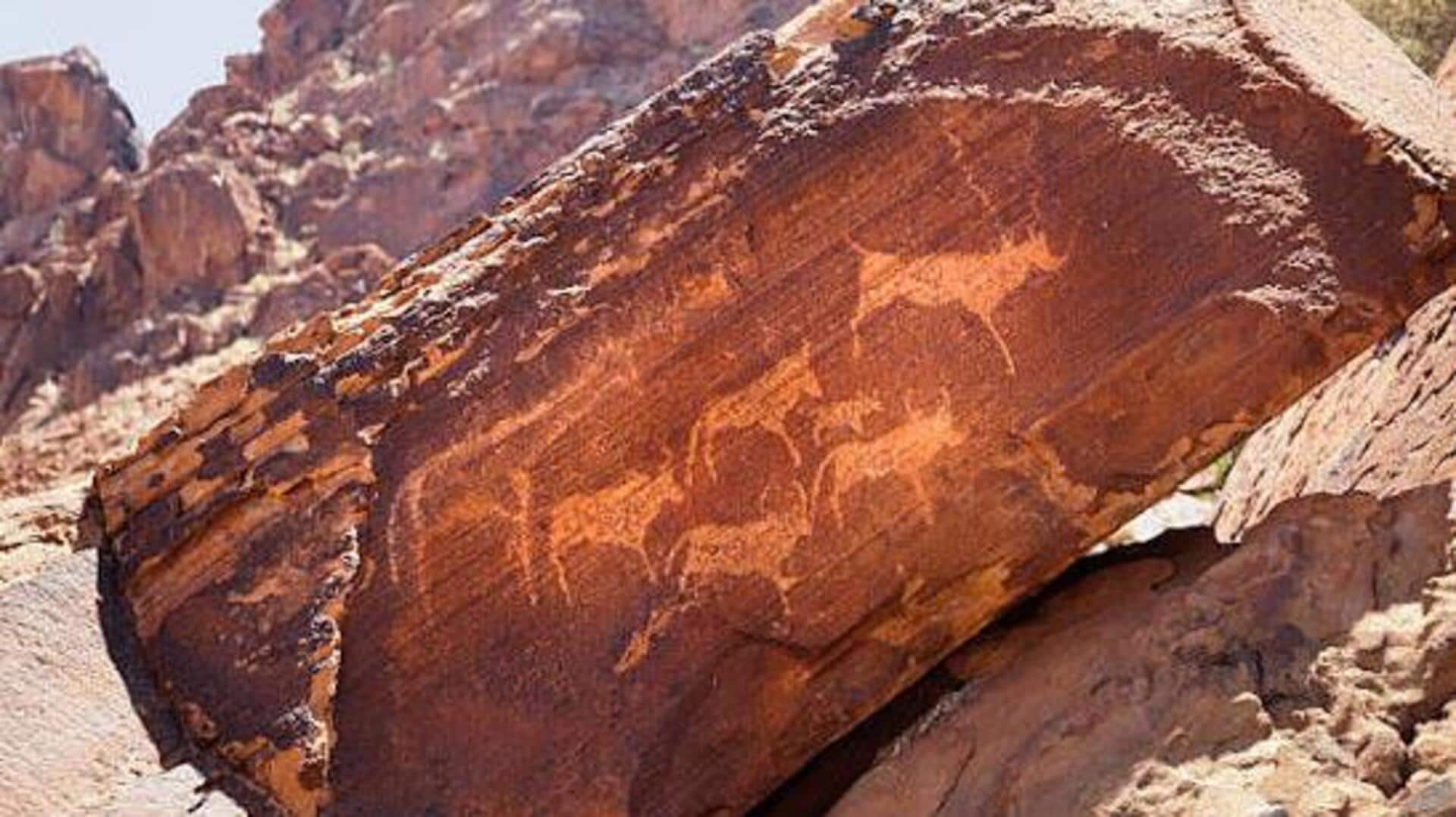
Mozambique is home to some of the most fascinating rock art trails, which are often overlooked by travelers. These ancient artworks give a glimpse of the region's rich history and culture. The trails are dotted with stunning rock formations and paintings that date back thousands of years. Exploring these trails gives you a unique insight into the lives of early inhabitants and their artistic expressions.
#1
Discovering Mount Binga's art
Mount Binga is famous for its stunning rock art. The paintings here depict scenes of daily life and wildlife, giving an insight into the past.
The hike to the mountain is equally rewarding, with panoramic views of the surrounding landscape.
As you explore this area, you will witness how art was used as a form of communication and storytelling by ancient communities.
#2
The significance of Chimoio's paintings
Chimoio also has some significant rock paintings that are worth exploring.
These artworks are believed to have been created by hunter-gatherer societies, giving a glimpse of their interaction with nature.
The site is easily accessible, making it an ideal spot for those interested in history and anthropology.
Visitors can learn about different techniques used in creating these paintings while enjoying scenic views.
#3
Exploring Gorongosa National Park's heritage
Gorongosa National Park is not only famous for its wildlife but also for its rich cultural heritage, which includes rock art sites.
These paintings give a glimpse into the lives of people who lived in harmony with nature centuries ago.
Exploring these sites gives you an opportunity to appreciate both natural beauty and historical significance.
Tip 1
Tips for visiting Mozambique's rock art trails
When visiting Mozambique's rock art trails, wear comfortable shoes suitable for hiking on uneven terrain.
Carry water to stay hydrated during your exploration, as some areas may not have facilities nearby.
Hiring local guides can enhance your experience by providing valuable insights into each site's history and significance, while supporting local communities economically through tourism activities.