History buffs, you must explore these rock engravings in Namibia
What's the story
Namibia is famous for its stunning landscapes and ancient rock engravings. These prehistoric artworks, found across the country, give a glimpse into the lives of early humans. The engravings, which are thousands of years old, depict animals and human figures. They are a testament to the creativity and storytelling ability of ancient cultures. Exploring these sites gives a unique insight into Namibia's rich history.
Twyfelfontein
Discovering Twyfelfontein's treasures
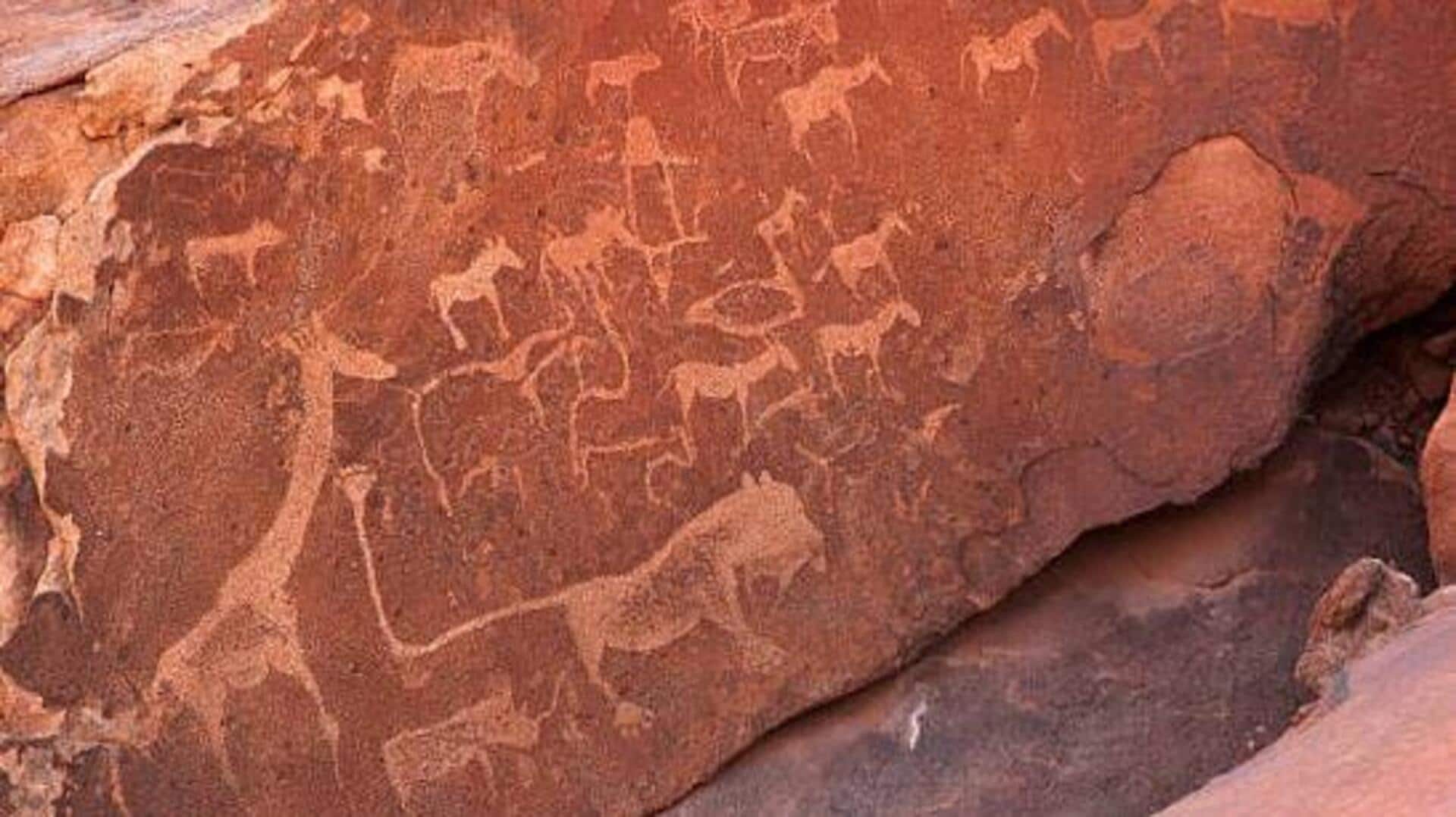
Twyfelfontein is one of Africa's most important archaeological sites, famous for its high density of rock engravings.
Situated in the Kunene Region, this UNESCO World Heritage Site has over 2,500 engravings.
The artworks mainly depict elephants, rhinos, and other wildlife that roamed the area centuries ago.
Visitors can take guided tours to learn about the significance of each engraving and how they were made.
Brandberg Mountain
Exploring Brandberg Mountain's art
Brandberg Mountain is home to some of Namibia's most stunning rock art.
Its famous White Lady painting is a must-see, but there are many more lesser-known, yet equally fascinating, artworks scattered across the mountain.
The paintings provide insight into the spiritual beliefs and daily life of the San people.
Hiking trails lead visitors through these ancient galleries, offering breathtaking views along the way.
Spitzkoppe
Visiting Spitzkoppe's ancient gallery
Often referred to as Namibia's Matterhorn, Spitzkoppe is famous for its distinctive peaks and ancient rock art.
The site has numerous paintings that illustrate scenes from hunting or dancing rituals among early inhabitants.
The bright colors used in these paintings have withstood the test of time, giving a glimpse into how past communities lived harmoniously with nature.
Visitor tips
Tips for visiting rock engraving sites
When visiting Namibia's rock engraving sites, it's important to respect these cultural treasures by not touching or defacing them in any way.
Guided tours are highly recommended, as they provide context and history that enriches the experience significantly.
Also, wearing comfortable shoes is advisable since many sites require walking on uneven terrain to reach them safely.