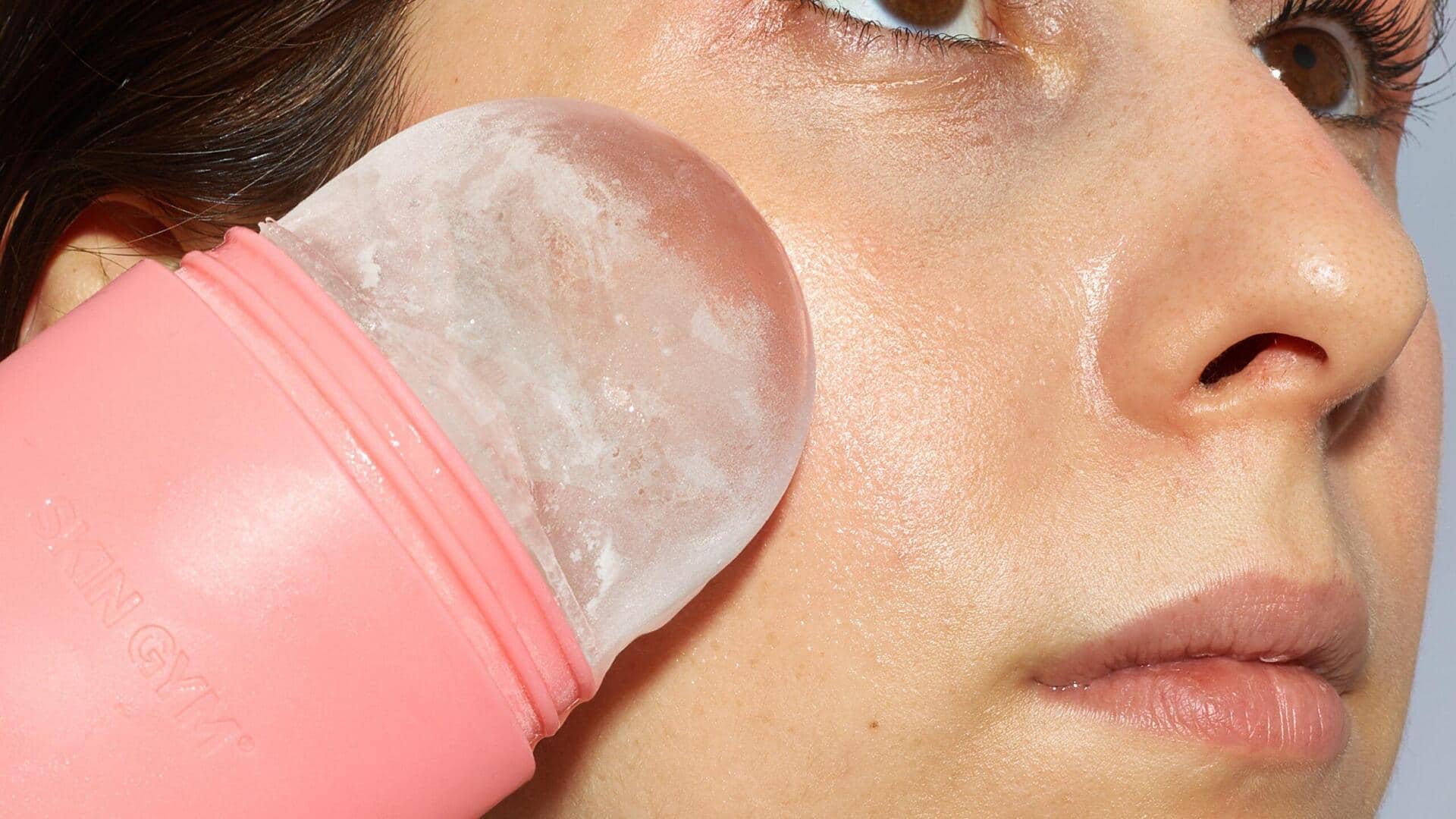
What exactly is facial icing?
What's the story
Facial icing is a simple yet effective technique to refresh and rejuvenate your skin. By applying ice directly to the face, you can reduce puffiness, improve circulation, and give a natural glow. The practice is gaining popularity for its accessibility and ease of use. With just a few minutes each day, beginners can enjoy the benefits without any special equipment or products. Here's how to get started with facial icing.
Tip 1
Choose the right ICE method
Selecting the right method for facial icing is important.
You could use ice cubes made from water or herbal infusions like green tea for added benefits.
Alternatively, silicone molds shaped like facial rollers are available for a more comfortable grip.
Each method has its own advantages, so try different ones to see what works best for you.
Tip 2
Prepare your skin properly
Before you start icing, make sure your skin is clean and dry. This helps in better absorption of nutrients and reduces the chances of irritation.
You can cleanse your face with a gentle cleanser and pat it dry with a soft towel before starting the process.
Tip 3
Technique matters
The technique of applying ice is crucial for best results.
Wrap an ice cube in a soft cloth to avoid direct contact with skin, which can cause frostbite.
Glide the wrapped ice over your face in circular motions for about five minutes, focusing on areas prone to puffiness or redness.
Tip 4
Frequency is key
Consistency is key when it comes to facial icing.
Ideally, incorporate this practice into your morning routine three to four times a week for noticeable results over time.
Regular use helps maintain improved circulation and reduces swelling effectively.
Tip 5
Monitor skin reactions
Pay attention to how your skin reacts after each session of facial icing.
If you notice any signs of irritation or discomfort, reduce frequency or consult a dermatologist if necessary.
Every individual's skin is different; hence, it's important to tailor this practice according to personal needs and responses.