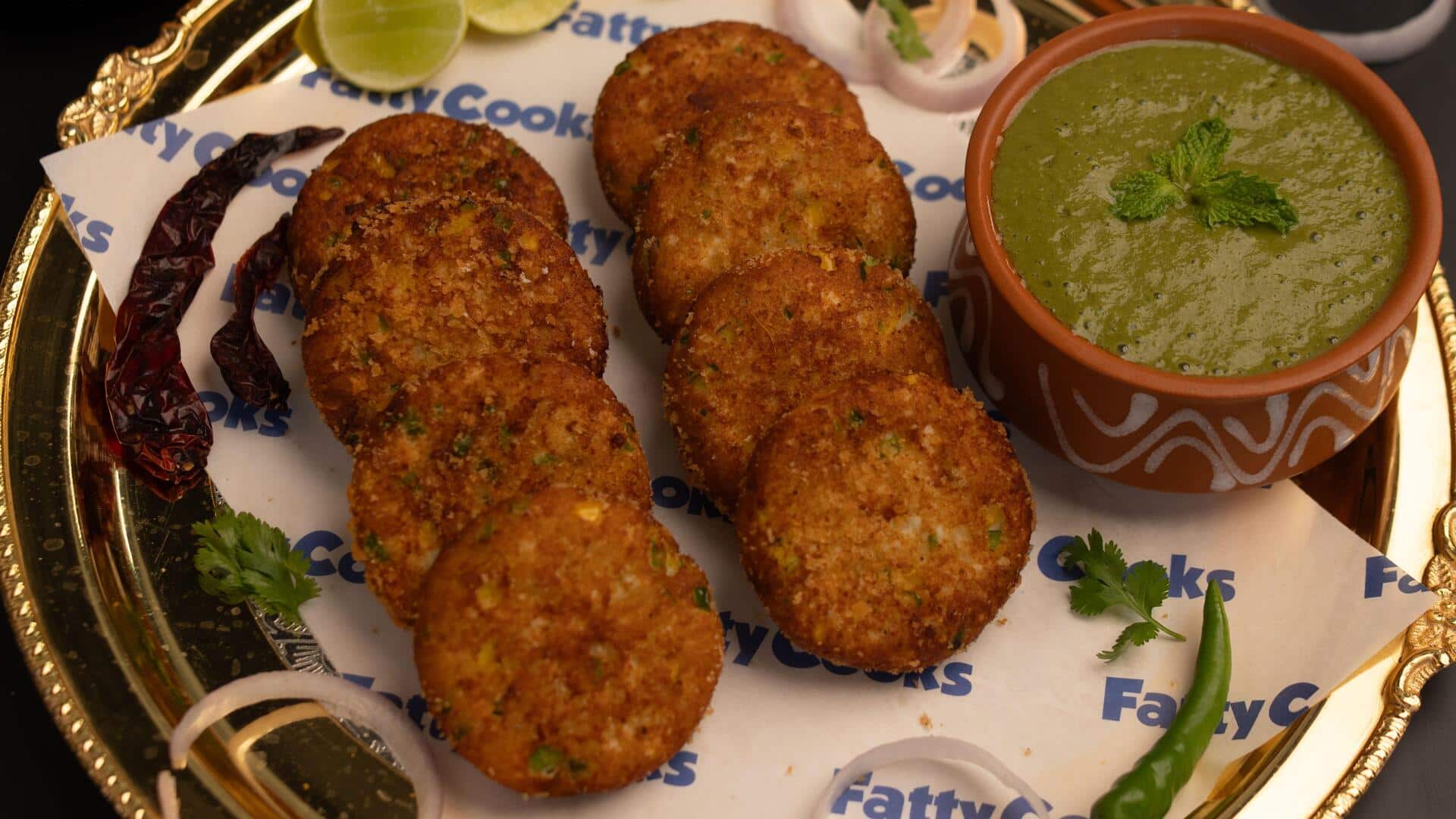
How farali pattice became a fasting favorite
What's the story
Farali pattice is a traditional dish that has traveled across India, especially during fasting days. The potato-based delicacy is popular for its simplicity and flavor. The dish's history is a testament to India's rich culinary heritage, with regional variations and adaptations over the years. Here's a look at farali pattice's journey through time, its origins, and how it evolved into a beloved snack across the country.
#1
Origins of Farali Pattice
Farali pattice is believed to have originated in Maharashtra, where it was prepared during fasting days.
Made from boiled potatoes and buckwheat flour, it was a nutritious option for those observing fasts.
Over time, the dish became popular in neighboring states like Gujarat and Madhya Pradesh, where local ingredients were added to give it a unique flavor.
#2
Regional variations across India
As farali pattice traveled across India, every region added its own touch to the dish.
In Gujarat, for instance, peanuts and green chilies are added for an extra crunch and spice.
In Madhya Pradesh, some people add paneer or cheese to the stuffing for a creamier texture.
These regional variations highlight India's diverse culinary traditions.
#3
Preparation techniques over time
Over the years, preparation techniques for farali pattice have evolved.
While traditionally deep-fried was the only way to cook them, baking has become popular among health-conscious people who want to cut down on oil consumption.
This change reflects the broader trend of healthier cooking methods gaining popularity across many traditional dishes.
Tip 1
Modern adaptations in today's kitchens
Today's kitchens see modern adaptations of farali pattice with innovative ingredients such as quinoa or millet replacing potatoes or wheat flour to cater to dietary preferences like gluten-free diets or low-carb lifestyles.
These adaptations ensure that this timeless dish remains relevant even as culinary trends change, while still paying homage to its roots with authentic flavors intact.