Foam rolling v/s wall sits: Which helps with muscle soreness?
What's the story
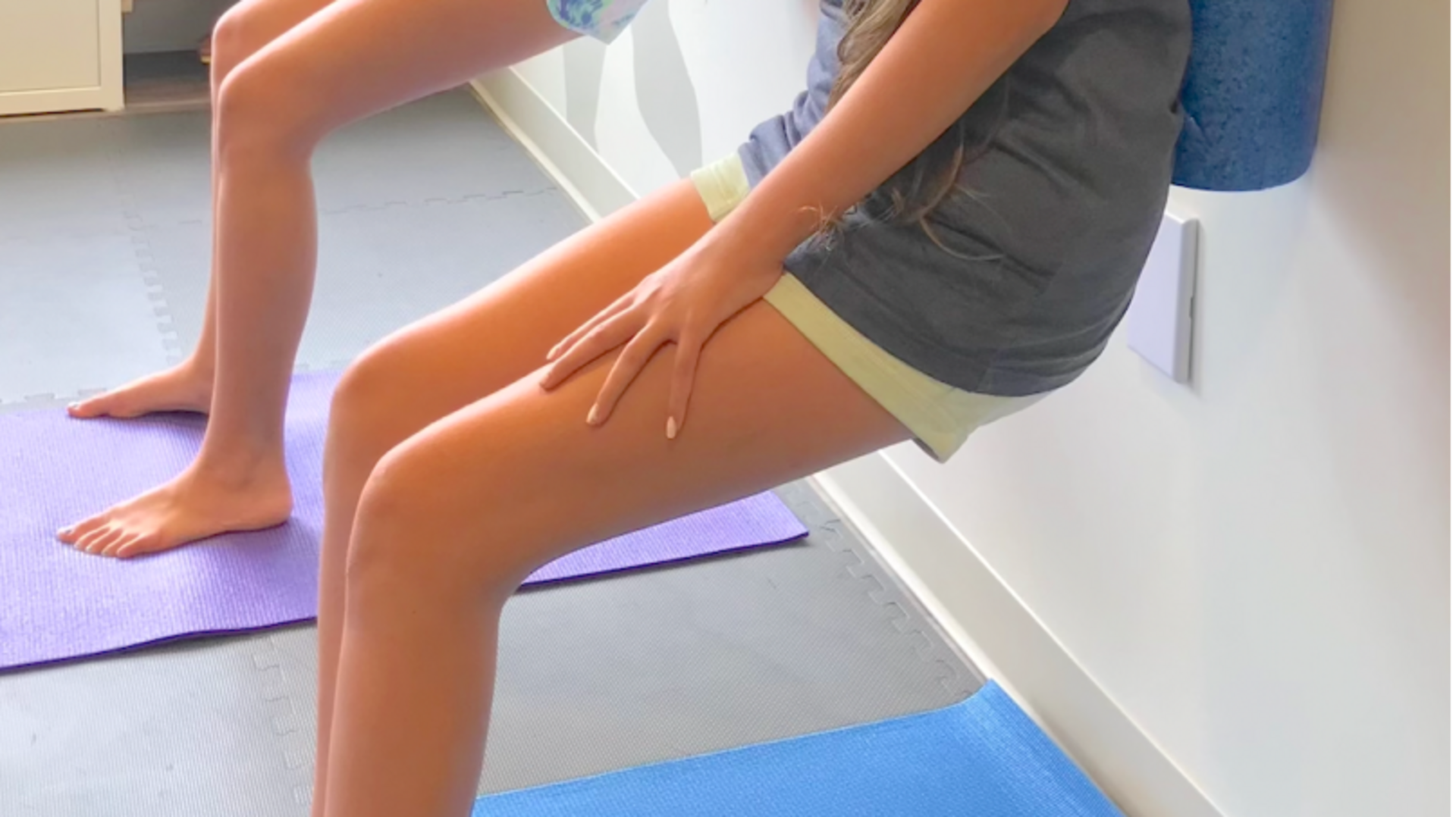
Foam rolling and wall sits are two popular techniques used to alleviate muscle soreness. While foam rolling involves using a cylindrical piece of foam to massage muscles, wall sits are an isometric exercise where one leans against a wall in a sitting position. Both methods have their own benefits and can be used as part of a recovery routine. Here's how each technique helps relieve muscle soreness.
#1
Benefits of foam rolling
Foam rolling is a form of self-myofascial release that helps release muscle tightness and improve blood flow.
By rolling over the foam cylinder, you can target specific muscle groups that may be sore or tight after workouts.
This technique helps break up adhesions in the fascia, which can lead to improved flexibility and reduced pain.
It's particularly useful for athletes looking to enhance recovery times between training sessions.
#2
How wall sits aid recovery
Wall sits are an effective isometric exercise that strengthens the muscles without putting too much stress on them.
By holding a squat position against a wall, you engage your quadriceps, hamstrings, and glutes.
This exercise improves muscular endurance and stability, which can help prevent future injuries.
Adding wall sits into your routine can improve overall muscle function and reduce soreness from repetitive activities.
#3
Combining techniques for optimal results
Combining foam rolling with wall sits can give you a comprehensive approach to muscle recovery.
Start with foam rolling to release tension in the muscles before moving on to wall sits for strengthening and endurance building.
This combination targets both immediate relief from soreness as well as long-term improvements in muscle resilience.
Tip 1
Tips for effective use
To get the most out of foam rolling, spend at least one minute on each muscle group, focusing on areas that feel particularly tight or sore.
For wall sits, aim for three sets of 30 seconds each, gradually increasing the duration as your strength improves.
Consistency is key; include these techniques regularly in your fitness routine for best results in managing muscle soreness effectively.