Why you must visit Africa's ancient villages at least once
What's the story
Africa's ancient villages offer a unique opportunity to explore the continent's rich history and diverse cultures. These villages, often nestled in remote areas, provide an authentic glimpse into traditional ways of life that have been preserved over centuries. From the architectural marvels of mud-brick houses to vibrant local markets, these destinations are ideal for those seeking a deeper understanding of Africa's heritage. Here are some insights into exploring these fascinating places.
#1
Discovering mud-brick marvels
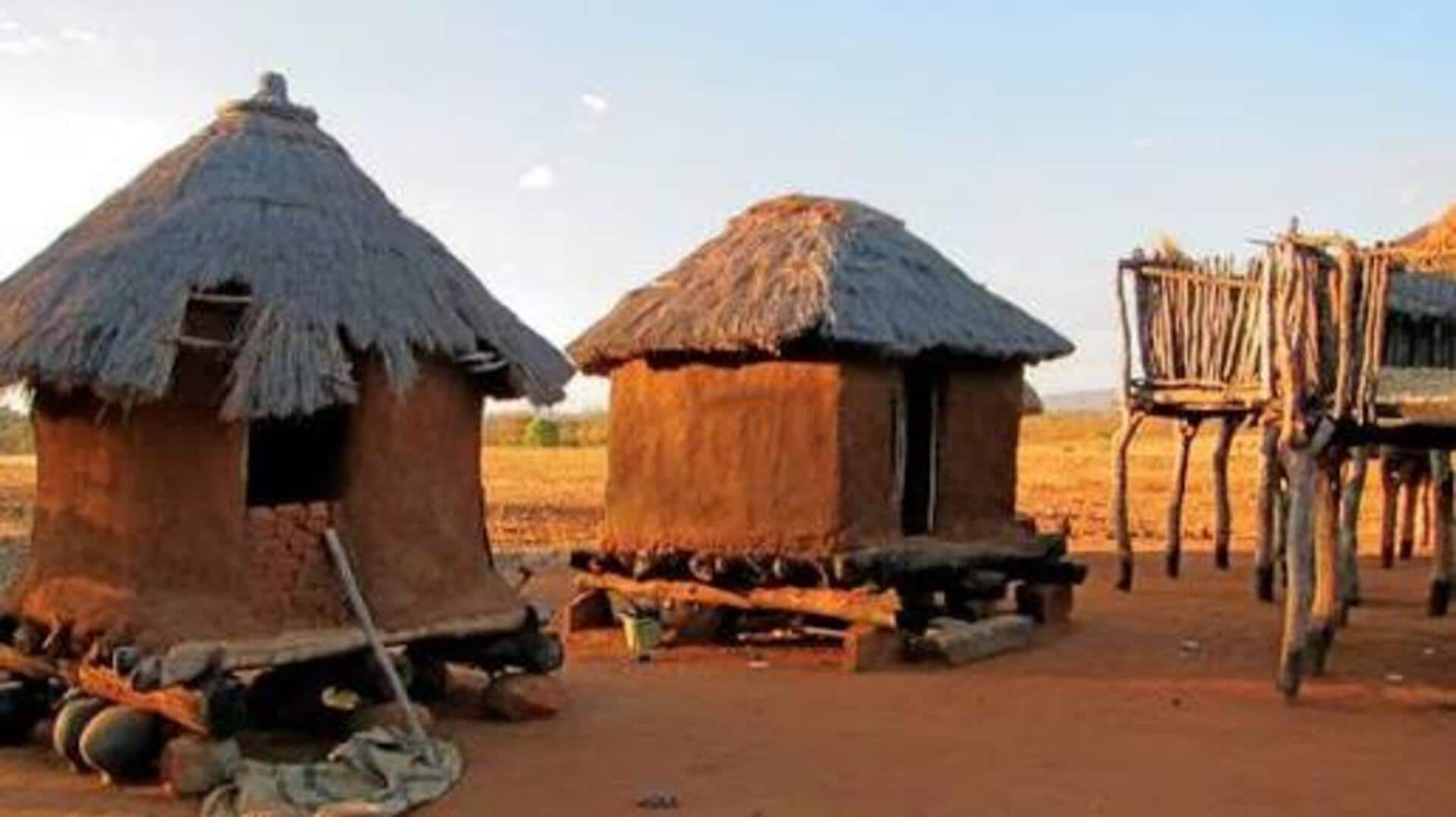
Many African villages are famous for their unique mud-brick architecture, a testament to the region's resourcefulness and creativity.
These structures not only withstand the test of time, but also blend seamlessly into the natural landscape.
The use of locally sourced materials makes them sustainable, and their construction techniques are often passed down generations.
Tourists can witness this incredible craftsmanship firsthand, and even participate in workshops to learn traditional building methods.
#2
Engaging with local artisans
In many ancient African villages, local artisans keep traditional crafts alive.
Be it pottery, weaving, or wood carving, these skilled craftsmen give visitors a chance to see how age-old techniques are employed to create beautiful, functional items.
Interacting with these artisans not only supports local economies, but also gives you an insight into cultural practices that have been maintained for centuries.
#3
Experiencing vibrant markets
Vibrant markets are an integral part of life in Africa's ancient villages. They are a hub for trading goods, and a place for socializing.
Here, you can find everything from handmade crafts to fresh produce.
Visiting these markets gives you a taste of local flavors and customs. It also gives you a chance to interact with villagers and understand their daily lives.
#4
Exploring historical sites
Many ancient African villages are home to historical sites that tell stories of past civilizations and cultures.
These sites may include ancient ruins, sacred spaces, or monuments that have cultural significance.
Guided tours often provide insights into the historical context and importance of these places, making them an enriching experience for history enthusiasts.
Tip 1
Tips for respectful travel
When visiting Africa's ancient villages, it is important to be respectful of local customs and traditions.
Dress modestly, ask permission before taking photographs, and be mindful of cultural differences.
Supporting local businesses by purchasing handmade goods or participating in community-led tours can also contribute positively to the village economy, while enhancing your travel experience.