What is Fulani henna art?
What's the story
Fulani henna art is a traditional African practice passed down through generations. Famous for its intricate patterns and cultural significance, the art is an important part of celebrations and rituals. The designs are not only beautiful but also hold deep meanings, often reflecting social status, personal identity, or community ties. Understanding this art form gives insight into the rich cultural heritage of the Fulani people.
#1
Historical roots of Fulani henna art
The history of Fulani henna art goes back centuries, with roots in West Africa.
Traditionally, henna was used for beautification during special occasions, like weddings and festivals. The patterns applied were a reflection of cultural identity and pride.
Over time, this practice has been preserved as a testament to the Fulani's rich history and traditions.
#2
Techniques used in creating henna designs
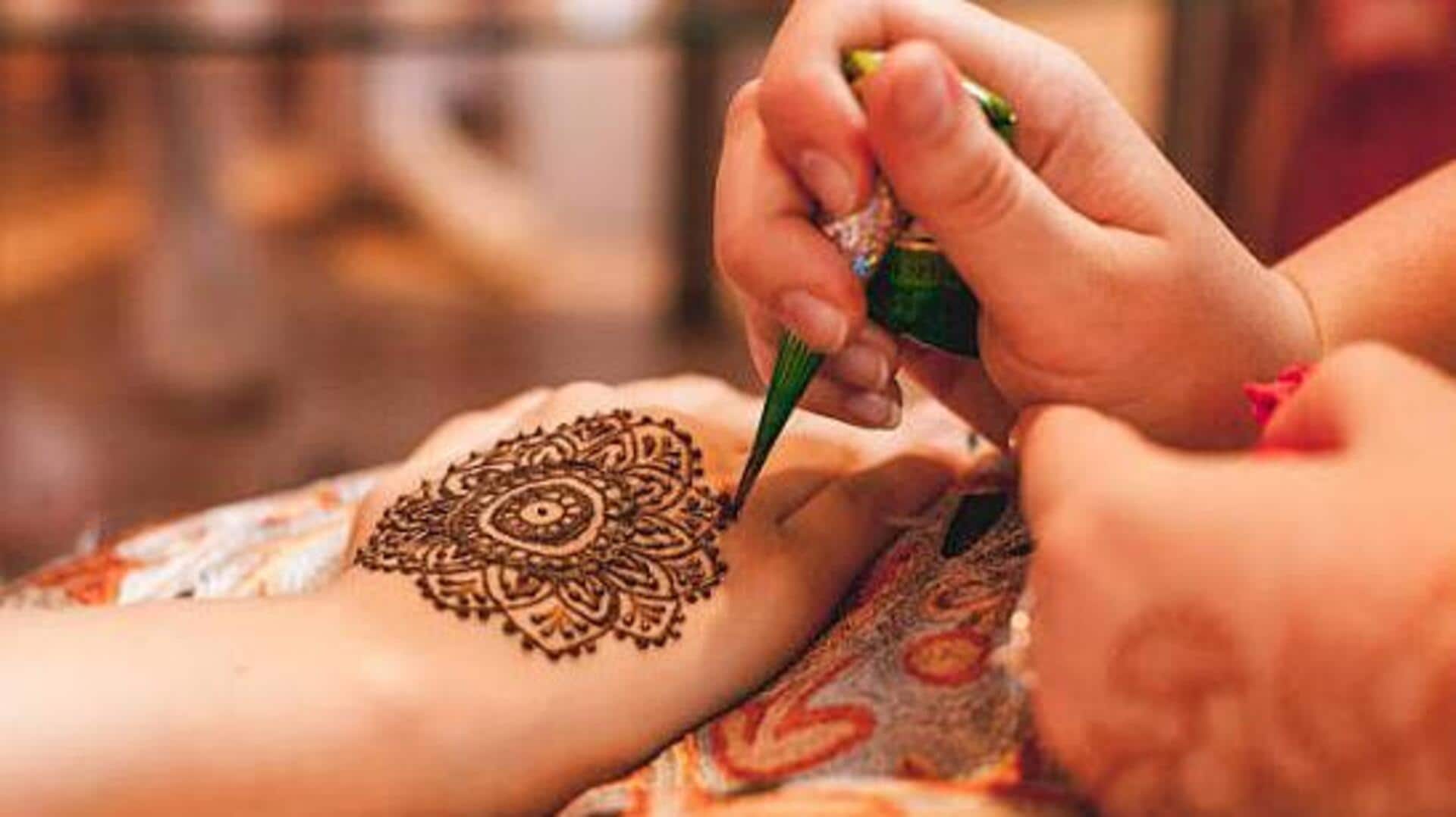
Creating Fulani henna designs requires skill and precision. Artists use natural henna paste made from crushed leaves to create intricate patterns on the skin.
The application process involves using tools like cones or sticks to draw fine lines and shapes.
Each design is unique, often incorporating elements like spirals, dots, and geometric shapes that hold specific meanings.
#3
Cultural significance behind henna patterns
Each pattern in Fulani henna art carries cultural significance.
Some designs are said to symbolize protection or good fortune, while others may denote love or friendship.
The choice of pattern can also indicate social status or life events, such as marriage or childbirth.
Understanding these meanings adds depth to appreciating this traditional art form.
#4
Modern adaptations of Fulani henna art
In recent years, Fulani henna art has seen modern adaptations while still holding on to its traditional roots.
Many artists now incorporate contemporary styles with classic designs to appeal to a wider audience.
This blending of old and new allows for the preservation of cultural heritage while embracing innovation in artistic expression.