Good Friday 2026: Date, significance, fasting rules, and more
What's the story
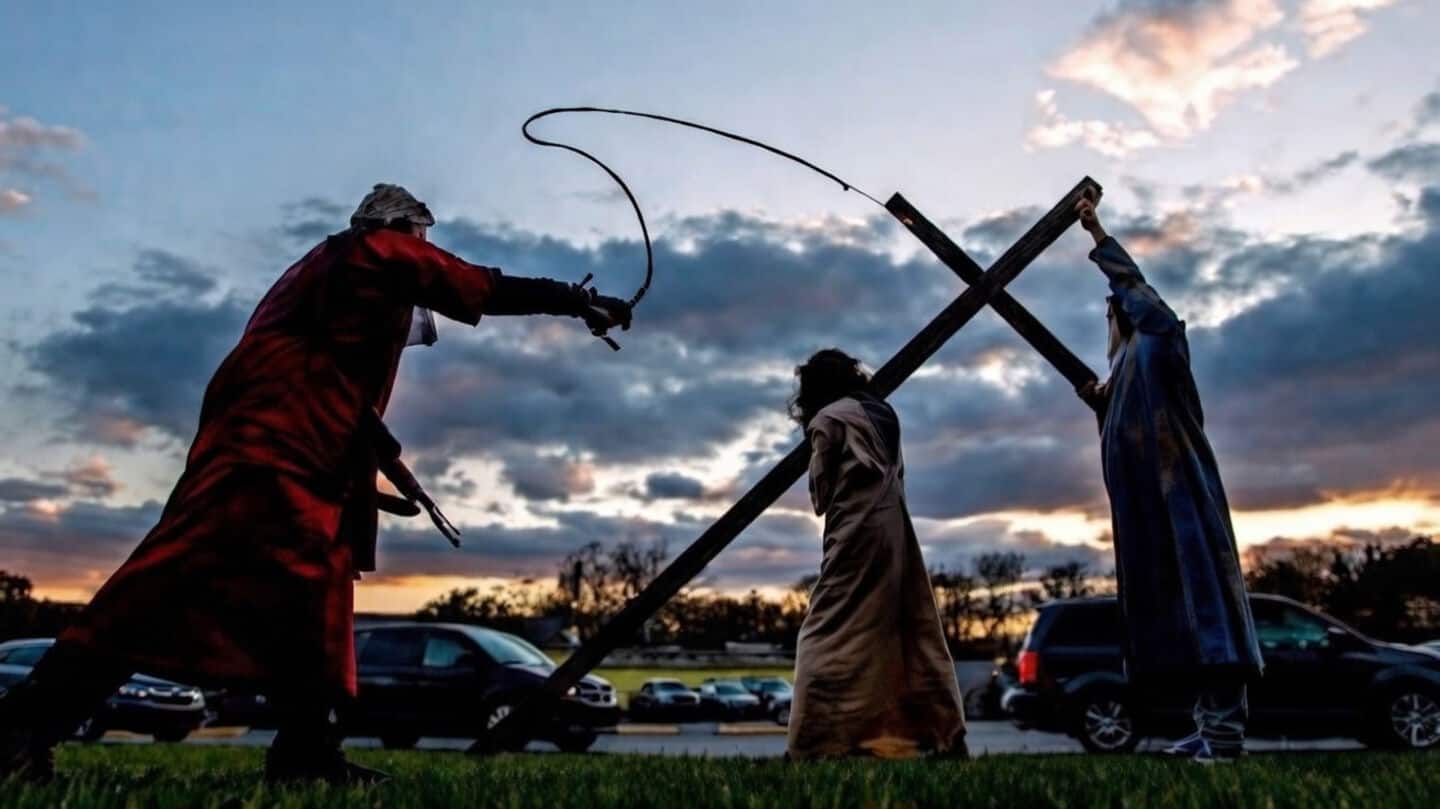
Good Friday, a day of mourning and reflection in the Christian calendar, will be observed on April 3, 2026. The day commemorates the crucifixion of Jesus Christ and is marked by fasting and prayers to honor his human sacrifice. The term "Good" in Good Friday is thought to have originated from "God's Friday," or it could refer to the goodness that came from Jesus Christ's death, the redemption of humanity.
Commemoration
Significance of Good Friday
According to the New Testament, Good Friday marks the day when Roman governor Pontius Pilate sentenced Jesus Christ to death.
The Roman authorities accused him of blasphemy for claiming to be the Son of God.
Christians observe this day as a time for repentance, introspection, and mourning—signifying both hope for redemption and the depth of Christ's sacrifice.
It serves as a reminder of the Savior's suffering and unwavering obedience to God's plan.
Traditions
Observance of Good Friday
Various Christian denominations observe Good Friday with silent processions, special church services, and scripture readings.
Churches often cover statues, dim lights, and silence bells to create an atmosphere of solemnity.
Despite the day's sorrowful nature, it paves the way for Easter Sunday—a celebration of Christ's resurrection and the promise of new life—two core tenets of Christianity.
Observance
Prayer and fasting on Good Friday
Good Friday is also observed with prayer, fasting, and church services to remember the last hours of Christ's life and his death.
Catholics are required to fast and abstain on Ash Wednesday and Good Friday, with Fridays being obligatory days of abstinence during Lent.
The Good Friday fast is observed as the "paschal fast" until the Easter Vigil (Holy Saturday night), in memory of Jesus' suffering and death.
Guidelines
Fasting rules for Catholics on Good Friday
The fasting rules are obligatory for Latin Catholic Church members aged between 18 and 59.
They can have one full meal and two smaller meals that don't equal a full meal while fasting.
Additionally, members of the Latin Catholic Church are also required to abstain from meat starting at the age of 14.
This is done as a way to prepare for the celebration of Christ's resurrection on Easter Sunday.