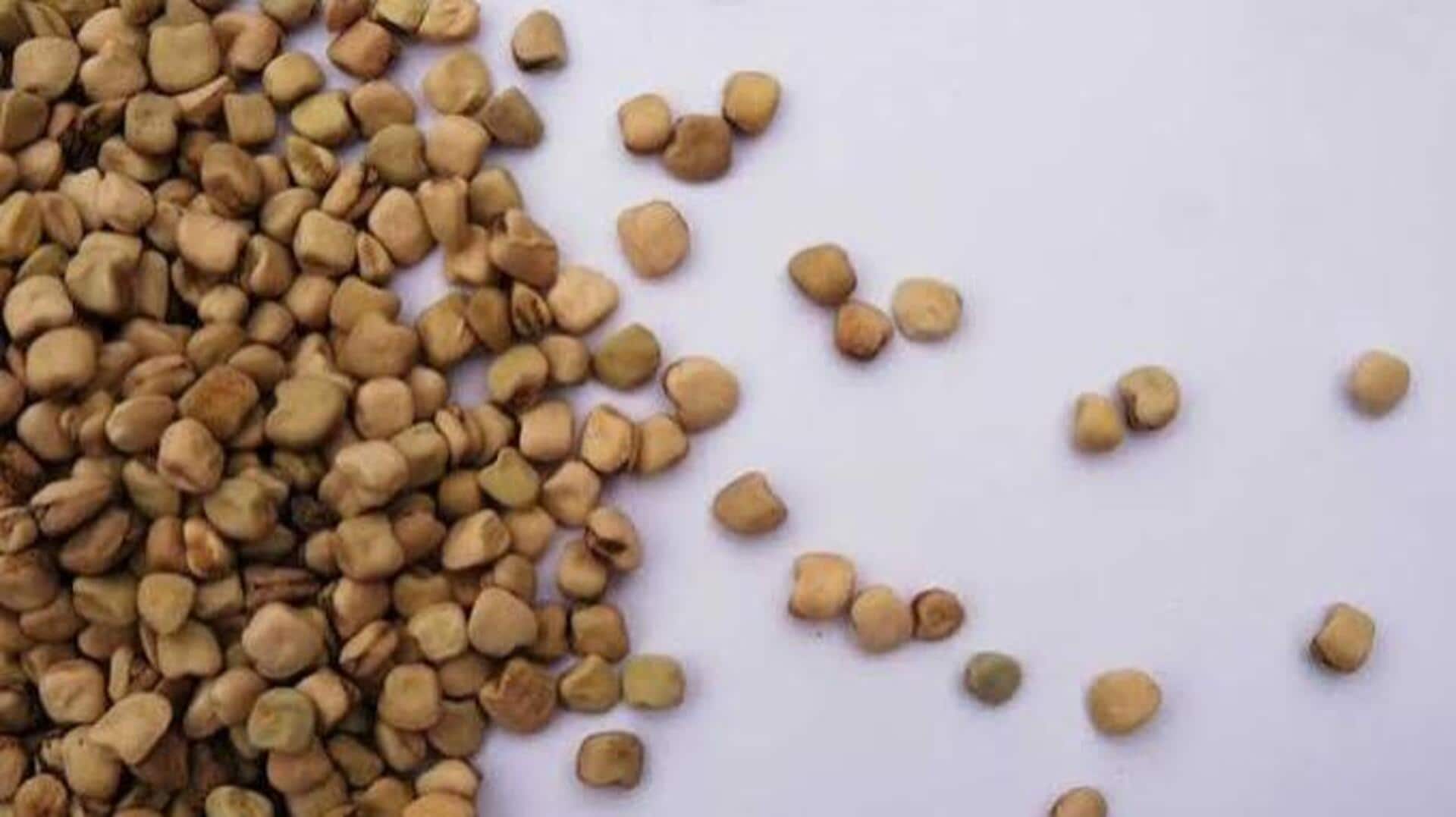
Grass pea: All about this nutritious legume
What's the story
Grass pea, a resilient legume, is making waves for its nutritional value and adaptability. Traditionally grown in Africa, this crop is now being recognized for its potential to fight food insecurity. With its ability to thrive in harsh conditions, grass pea provides a reliable source of protein and essential nutrients. As climate change challenges traditional agriculture, exploring grass pea could be a sustainable solution for many communities.
#1
Nutritional benefits of grass pea
Grass pea is loaded with protein, making it an ideal option for those looking for plant-based sources.
It also has essential amino acids that are important for body functions.
The legume is rich in vitamins and minerals, such as iron and magnesium, which promote overall health.
Adding grass pea to diets can help meet daily nutritional requirements without depending on animal products.
#2
Resilience in harsh climates
One of the most remarkable features of grass pea is its resilience to drought and poor soil conditions.
This makes it an ideal crop for regions affected by climate change or where water scarcity is an issue.
Its ability to grow with minimal resources ensures that farmers can still harvest yields even under challenging circumstances, contributing to food security.
#3
Economic potential for farmers
Growing grass pea can be economically beneficial for farmers, as it requires low input costs and provides good yields.
The market demand for legumes continues to grow as more people look toward plant-based diets.
By adding grass pea into their crop rotation, farmers can diversify their income streams while contributing toward sustainable agriculture practices.
#4
Overcoming stigma associated with grass pea consumption
Despite its nutritional benefits, grass pea has been stigmatized due to concerns over neurotoxicity when consumed excessively without proper processing techniques.
However, educating consumers about safe preparation methods can help overcome these misconceptions.
By promoting awareness about how to prepare this legume safely, we can encourage wider acceptance and utilization of this valuable resource.