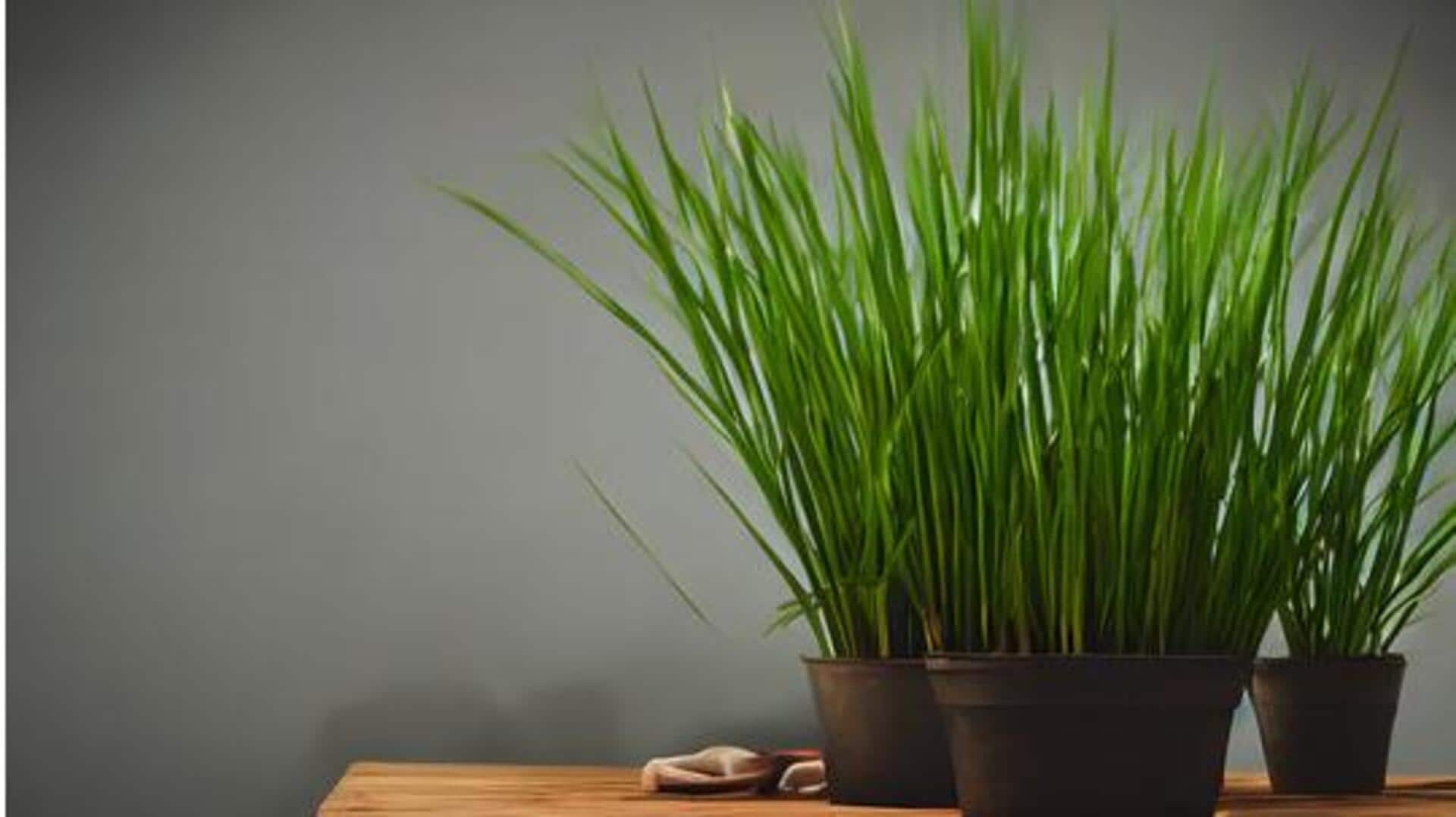
How to grow lemongrass in pots
What's the story
Growing lemongrass in pots is a rewarding endeavor for those looking to add a touch of greenery to their space. This aromatic plant not only enhances the aesthetics of your home but also provides fresh ingredients for culinary use. With the right conditions and care, you can successfully grow lemongrass indoors or on a balcony. Here are some practical tips to help you get started with growing lemongrass in pots.
Tip 1
Choosing the right pot
Selecting an appropriate pot is essential for growing lemongrass.
Choose a container that is at least 12 inches deep and wide to allow enough room for the roots to spread.
Ensure that the pot has drainage holes at the bottom to prevent waterlogging, which can damage the plant's roots.
A ceramic or plastic pot works well, provided it offers good insulation against temperature changes.
Tip 2
Soil and planting essentials
Lemongrass thrives in well-draining soil with a pH level between six and seven.
Use a mix of potting soil, sand, or perlite to improve drainage.
Plant lemongrass by placing stalks upright in the soil, burying them about two inches deep.
Water thoroughly after planting, and keep the soil consistently moist but not soggy.
Tip 3
Light and temperature requirements
Lemongrass needs plenty of sunlight to grow well; place your pot where it gets at least six hours of direct sunlight every day.
If natural light is not enough indoors, consider using grow lights as an alternative.
The ideal temperature range for lemongrass is between 70 degrees Fahrenheit and 85 degrees Fahrenheit (21 degrees Celsius to 29 degrees Celsius).
Avoid exposing it to cold drafts or extreme temperature fluctuations.
Tip 4
Watering and fertilizing tips
Regular watering is key; water lemongrass when the top inch of soil feels dry to touch.
During warmer months, increase frequency if needed, but avoid overwatering, which could lead to root rot.
Fertilize every four weeks using a balanced liquid fertilizer diluted as per package instructions to provide essential nutrients without overwhelming young plants with excess salts.