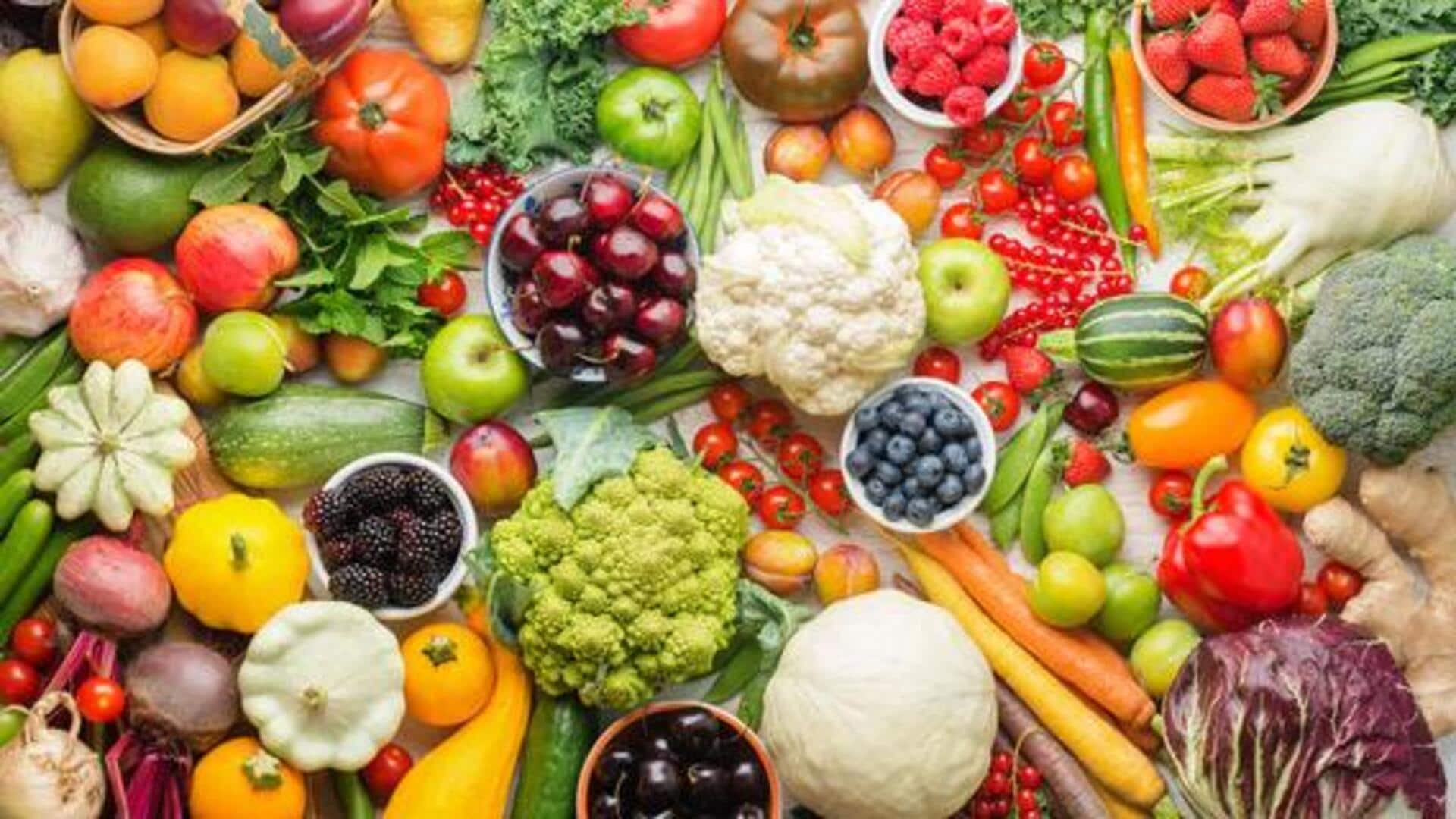
Busting all myths about gut health
What's the story
Gut health is a hot topic these days, with many myths doing the rounds. Most of these myths are misleading and can even be harmful if followed blindly. Knowing the difference between myth and fact is important for keeping your gut healthy. This article debunks common gut health myths with facts, so you can make informed choices about your digestive well-being.
#1
Myth: Probiotics fix everything
While probiotics are good for your gut, they aren't a magic bullet. They can help in maintaining the balance of good bacteria in the gut but cannot fix all digestive problems. Relying solely on probiotics without a balanced diet and lifestyle changes may not yield significant benefits. It's important to view probiotics as a part of a broader approach to gut health rather than a standalone solution.
#2
Myth: Fiber is only for digestion
Fiber is often associated only with digestion, but its benefits go beyond that. While it does promote regular bowel movements and prevent constipation, fiber also plays a vital role in heart health by lowering cholesterol levels and controlling blood sugar levels. Including fiber-rich foods in your diet can benefit your overall health, not just your digestive system.
#3
Myth: All fats are bad for gut health
Not all fats are bad for gut health; some are even essential for our well-being. Healthy fats, such as those from avocados, nuts, and olive oil, can help reduce inflammation in the body and promote nutrient absorption. It's important to differentiate between healthy fats and trans or saturated fats that can harm your health when consumed in excess.
#4
Myth: Drinking water alone hydrates you completely
While drinking water is essential for staying hydrated, it doesn't do the job alone. Foods like fruits and vegetables also contribute to hydration, thanks to their high water content. Relying only on water without considering these food sources may lead to an incomplete hydration strategy, especially if you have increased fluid requirements due to exercise or hot weather conditions.
#5
Myth: Skipping meals boosts metabolism
Skipping meals does not boost metabolism; in fact, it may slow it down over time by causing muscle loss and reducing calorie-burning efficiency. Eating regular meals helps maintain steady energy levels throughout the day while supporting metabolic processes effectively without unnecessary spikes or drops associated with irregular eating patterns.