5 tips for a successful compost workshop
What's the story
Organizing a community composting workshop can be an effective way to promote sustainable practices and educate people about the benefits of composting. By focusing on practical tips and engaging activities, you can create an informative and enjoyable experience for participants. Here are some insights into planning a successful workshop that encourages community involvement and fosters a deeper understanding of composting techniques.
Tip 1
Choosing the right location
Selecting an appropriate venue is key to your workshop's success.
Choose a place that is easily accessible and has enough space for all participants.
Outdoor spaces like parks or community gardens can be ideal, provided they have necessary facilities such as restrooms and shelter in case of bad weather.
Make sure the venue is equipped with seating and, if needed, audiovisual equipment.
Tip 2
Preparing informative materials
Providing participants with informative materials can enhance their learning experience.
Prepare handouts that cover key topics such as types of compostable materials, benefits of composting, and step-by-step instructions for creating compost at home.
Visual aids like charts or diagrams can help illustrate complex concepts more clearly.
Consider creating a digital version of these materials for easy access post-workshop.
Tip 3
Engaging expert speakers
Inviting expert speakers can add credibility and depth to your workshop content.
Look for local environmentalists or experienced gardeners who are knowledgeable about composting practices.
They can share insights based on real-world experiences, answer participant questions effectively, and provide practical demonstrations if possible.
Ensure that speakers are briefed on the workshop's objectives beforehand.
Tip 4
Incorporating hands-on activities
Hands-on activities make learning interactive and memorable.
Organize demonstrations where participants get to see how to set up a compost bin or mix ingredients properly.
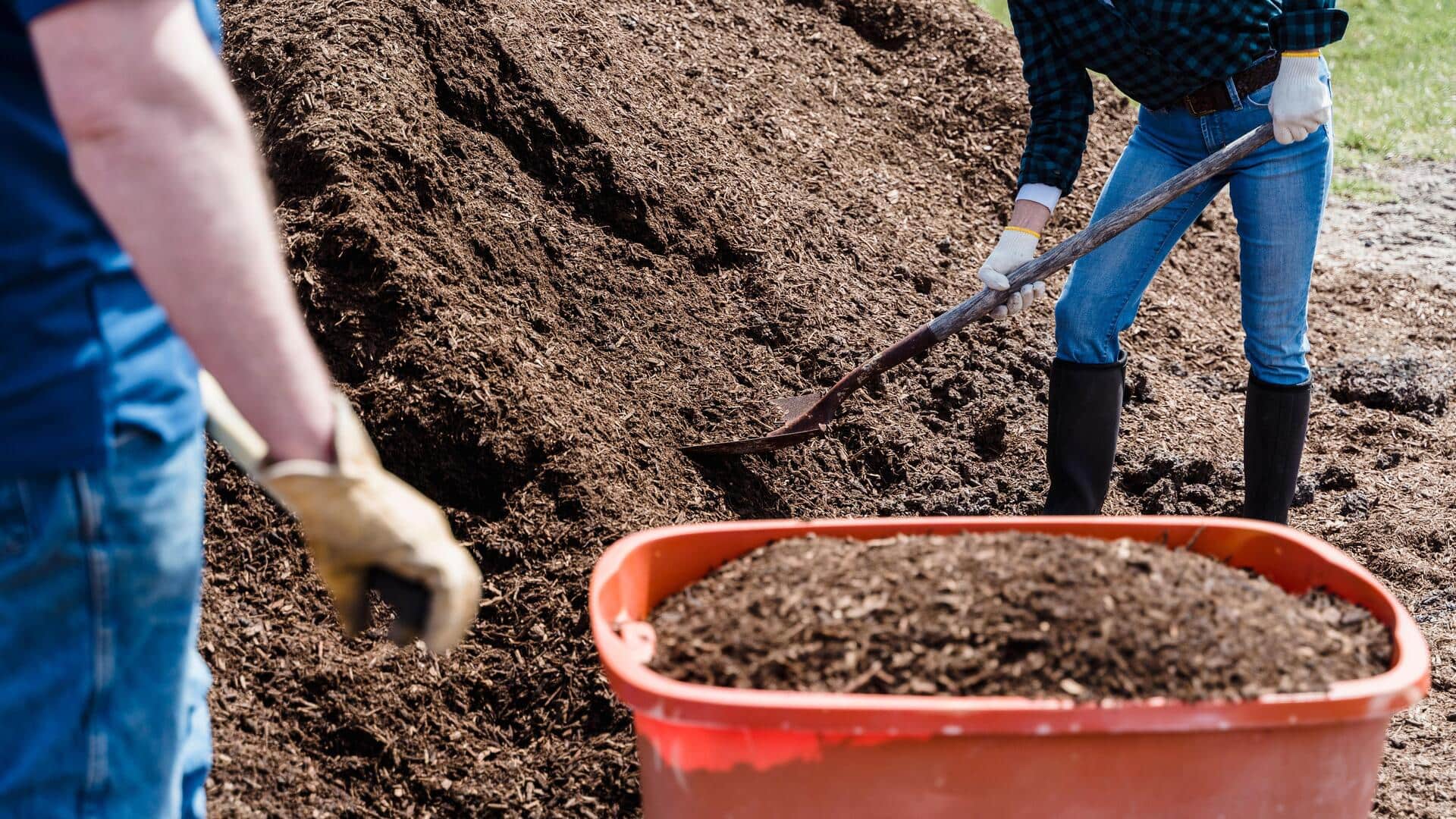
Group activities like building a compost pile together encourage teamwork while reinforcing practical skills learned during the session.
These activities should be simple enough so everyone can participate, regardless of their prior knowledge level.
Tip 5
Promoting community involvement
Encouraging community involvement not only boosts attendance but also strengthens local networks around sustainability efforts.
Use social media platforms, local newsletters, or bulletin boards to promote your event widely within the community.
Offer incentives such as free starter kits for attendees who commit to starting their own home composting projects after the workshop. This encourages ongoing engagement beyond the event itself.