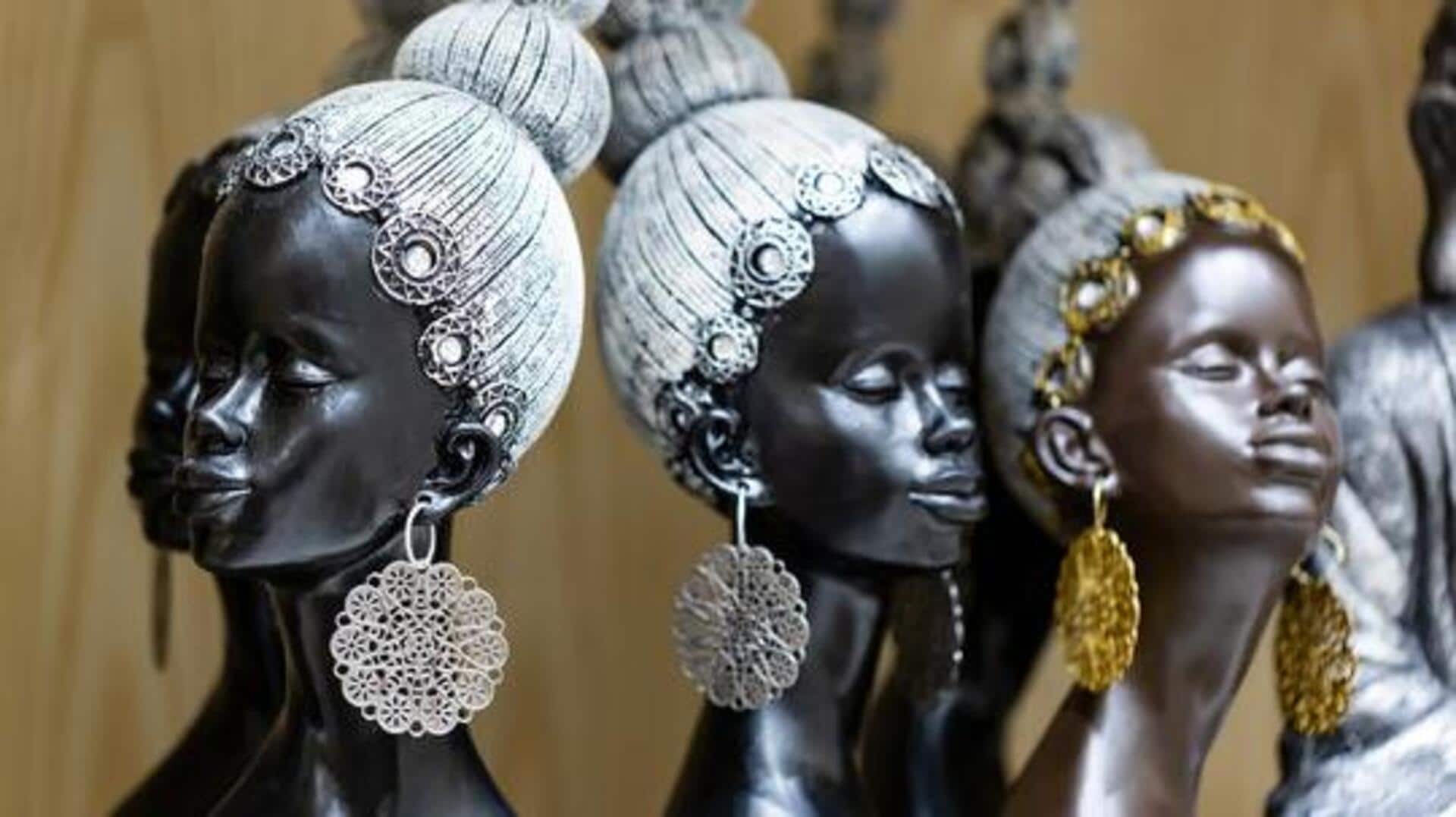
How African dancing statues have evolved over time
What's the story
African dancing statues have been a part of the continent's rich cultural heritage for centuries. These statues, which are a representation of various dance forms, have changed over the years. The evolution of these statues shows the changing cultural practices and artistic expressions of African communities. From traditional carvings to modern interpretations, the journey of these statues is a fascinating one that highlights Africa's dynamic cultural landscape.
#1
Traditional roots and significance
Traditional African dancing statues were usually carved from wood or stone and represented spiritual or communal events.
They were an important part of ceremonies, representing ancestors or deities.
The craftsmanship was a reflection of the community's values and beliefs, with each statue telling a story or symbolizing a particular aspect of life.
These traditional forms still hold cultural significance today, even as they adapt to modern influences.
#2
Influence of colonialism
Colonialism had a major impact on the evolution of African dancing statues. Many traditional practices were suppressed or altered due to foreign influences.
However, some artists blended traditional techniques with new styles introduced during this period.
This fusion resulted in unique creations that preserved elements of indigenous culture while incorporating aspects from outside Africa.
#3
Modern interpretations and styles
In recent years, modern interpretations of African dancing statues have gained popularity both on the continent and internationally.
Artists experiment with different materials such as metal and clay, creating innovative designs that appeal to contemporary audiences.
These modern styles often reflect current social issues or personal narratives while still paying homage to traditional forms.
#4
Global appreciation and market growth
The global appreciation for African art has led to an increase in demand for dancing statues in international markets.
Collectors value these pieces not just for their aesthetic appeal but also for their cultural significance.
As interest grows, so does the market value of authentic works by skilled artisans who continue to produce high-quality pieces, rooted in tradition yet relevant today.