The art of African indigo dyeing
What's the story
African indigo dyeing is an ancient craft that has been used for centuries to create vibrant textiles. The technique, which involves using the leaves of the indigo plant, results in deep blue hues that are both beautiful and durable. This traditional method is still practiced today, showcasing its cultural significance and artistic value. Here are five fascinating facts about African indigo dyeing that highlight its uniqueness and enduring appeal.
#1
Historical roots of indigo dyeing
Indigo dyeing has a long history in Africa, dating back thousands of years. It was commonly used by various communities to color fabrics for clothing and ceremonial purposes.
The process was often a communal activity, with knowledge passed down through generations.
This historical practice highlights the deep cultural connections people have with this art form.
#2
Unique dyeing process techniques
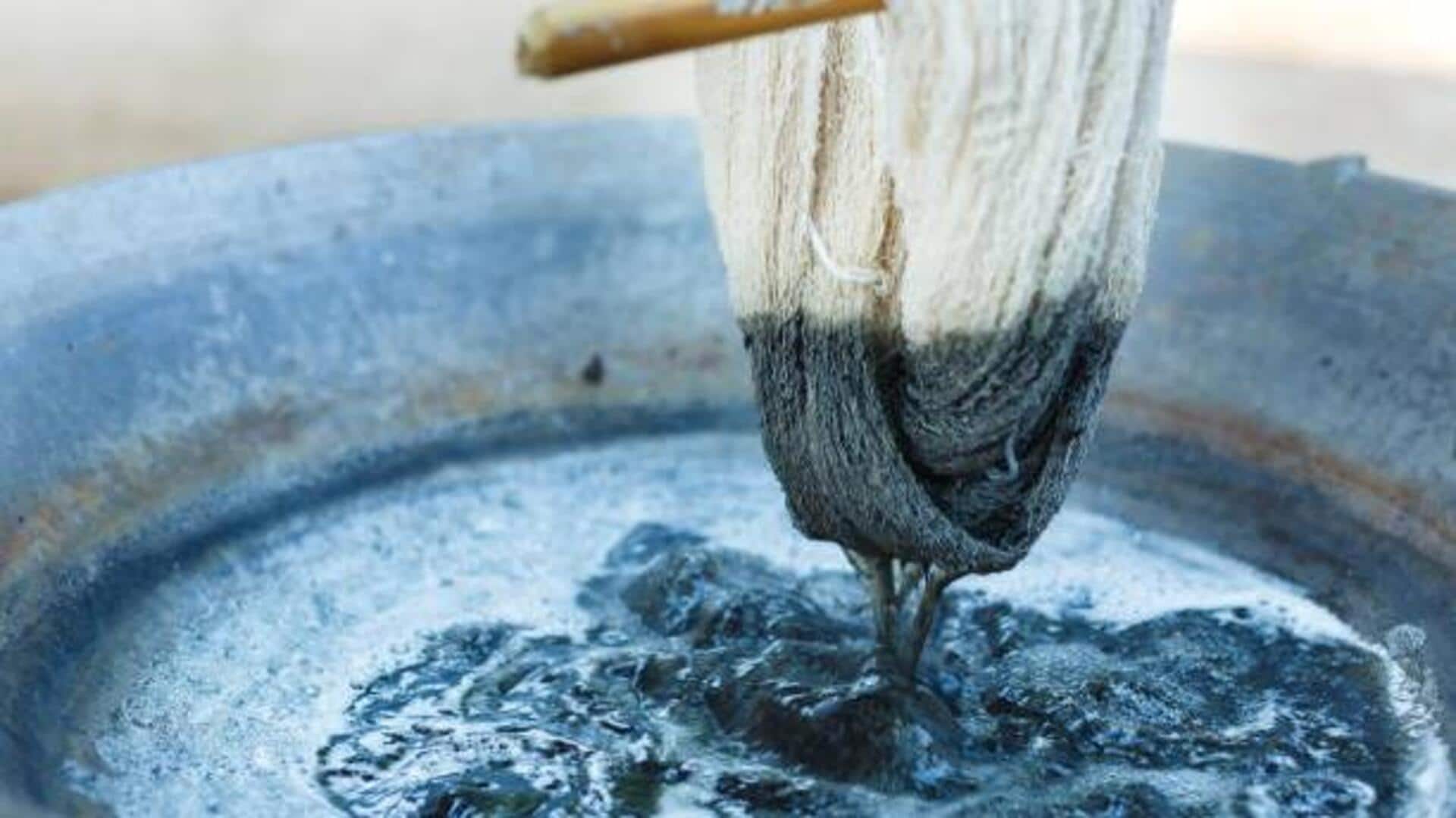
The process of African indigo dyeing is labor-intensive and requires skill. Leaves from the indigo plant are fermented to produce a dye bath.
Fabrics are dipped multiple times to achieve the desired shade of blue. Each dip alters the fabric's color, creating unique patterns and textures.
This technique emphasizes the craftsmanship involved in producing each piece.
#3
Symbolism in patterns created
Patterns created through indigo dyeing often carry symbolic meanings within different African cultures.
These designs can represent social status, community identity, or spiritual beliefs.
The motifs are not just decorative but also serve as storytelling mediums that convey important cultural narratives.
#4
Economic impact on local communities
Indigo dyeing has a significant economic impact on local communities across Africa.
The craft supports livelihoods by providing income through selling dyed textiles both locally and internationally.
It also promotes sustainable practices by encouraging the use of natural materials over synthetic alternatives.
#5
Revival efforts for traditional techniques
In recent years, there has been a renewed interest in traditional indigo dyeing techniques as part of cultural preservation efforts.
Workshops and educational programs aim to teach younger generations about this heritage craft.
The revival efforts ensure that these skills are not lost while adapting them for modern markets, without compromising authenticity or quality.