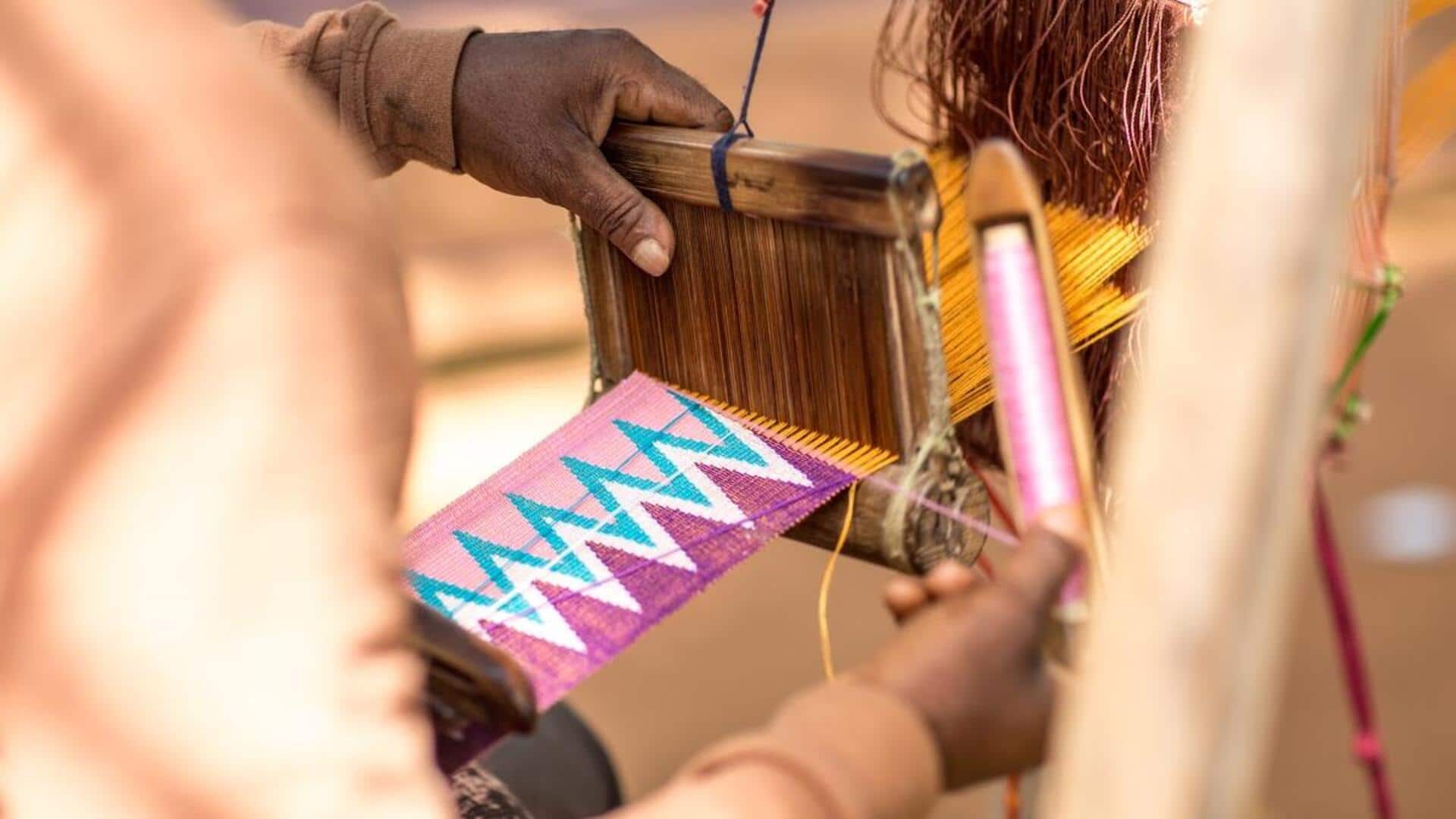
How African weaving is influencing modern fashion
What's the story
African weaving has been a part of the continent's rich cultural heritage for centuries. The intricate patterns and techniques have made their way into modern fashion, influencing designers across the globe. From vibrant colors to unique textures, African weaving offers a fresh perspective to contemporary clothing. This article explores how these traditional methods are being incorporated into today's fashion industry, highlighting key elements that make them stand out.
#1
Traditional techniques in modern design
Traditional African weaving techniques are being adopted by modern designers to add authenticity and depth to their collections.
Techniques like kente cloth weaving from Ghana, or mud cloth from Mali, are being used to create garments that pay homage to their roots while appealing to a global audience.
These methods not only preserve cultural heritage but also offer sustainable alternatives to mass production.
#2
Vibrant colors and patterns
The use of vibrant colors and bold patterns is a hallmark of African weaving.
These elements are now being embraced by fashion houses looking for eye-catching designs that make a statement.
The geometric shapes and symbolic motifs commonly found in African textiles add an element of storytelling to clothing, making each piece unique and meaningful.
#3
Sustainable fashion inspiration
African weaving techniques also contribute to the growing trend of sustainable fashion.
By using locally sourced materials and traditional methods, designers can minimize environmental impact while supporting local artisans.
This approach not only promotes eco-friendly practices but also helps preserve traditional craftsmanship for future generations.
#4
Global influence on fashion trends
The influence of African weaving extends beyond the continent's borders, impacting global fashion trends significantly.
Designers from all over the world are inspired by these textiles, incorporating them into high-end collections, as well as streetwear styles.
This cross-cultural exchange enriches the global fashion landscape, offering new perspectives on style and design innovation.