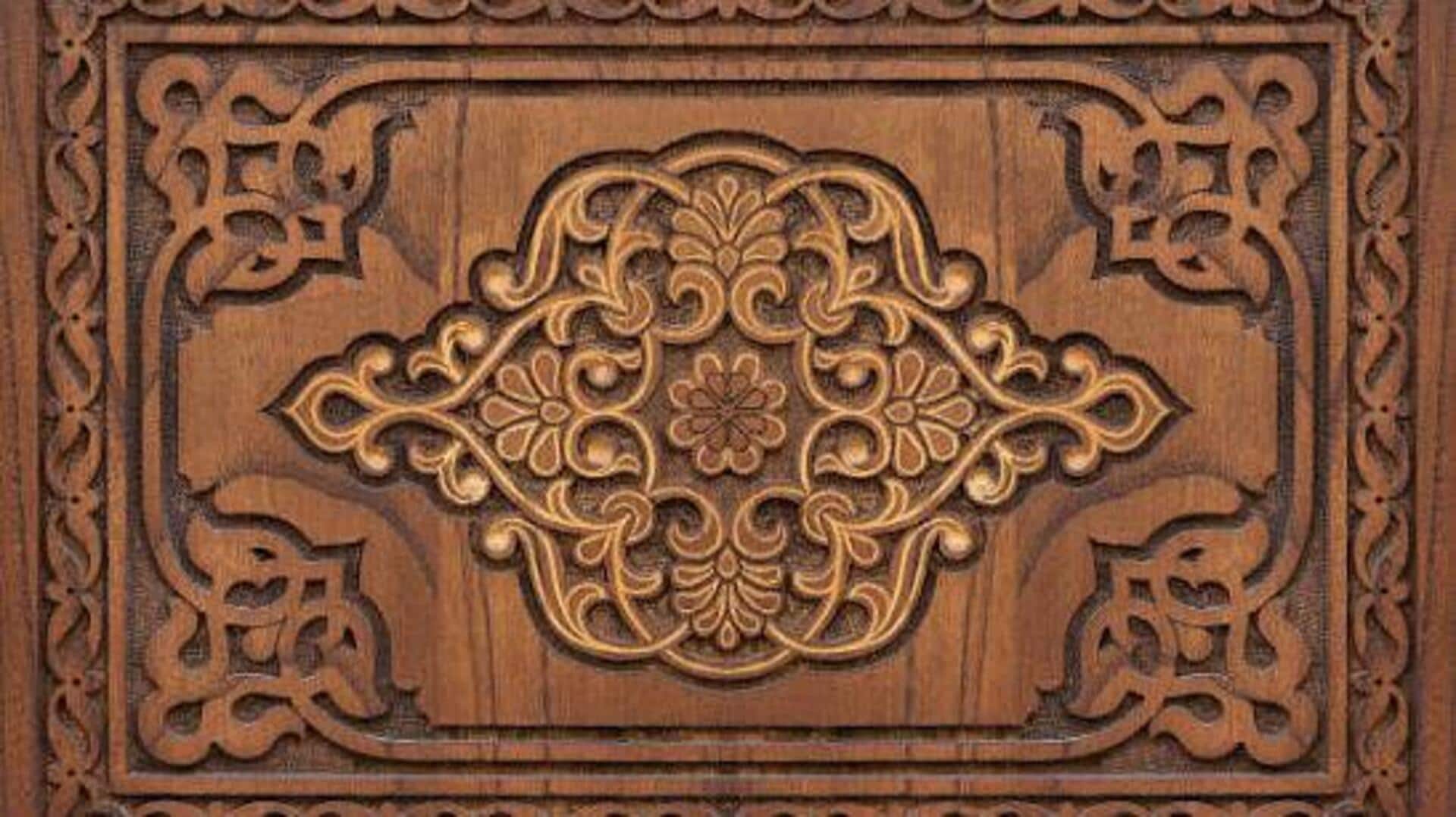
How African woodcarving is shaping modern architecture
What's the story
African woodcarving is an ancient art form that has been influencing modern architecture in a number of ways. The intricate designs and cultural significance of these carvings are being incorporated into contemporary architectural practices, giving structures a unique aesthetic and cultural depth. As architects look for inspiration beyond traditional sources, African woodcarving offers a wealth of possibilities for innovative design solutions.
#1
Cultural significance in design
African woodcarving is steeped in cultural significance, with each piece telling a story or representing a particular aspect of life.
By incorporating these elements into modern architecture, designers can create spaces that resonate with cultural heritage and identity.
This not only honors the traditions of African communities, but also educates others about the rich history behind these artworks.
#2
Textural elements in architecture
The textures created by African woodcarving add depth and interest to architectural surfaces.
These textures can be used on facades, interiors, or furniture pieces within a building.
The tactile quality of carved wood invites interaction and engagement from occupants, making spaces feel more dynamic and inviting.
#3
Sustainable practices from traditional methods
Traditional African woodcarving often employs sustainable practices that are relevant today.
Artisans frequently use locally sourced materials and simple tools, minimizing environmental impact.
By adopting similar methods in modern architecture, designers can contribute to sustainability efforts while still paying homage to traditional craftsmanship.
#4
Inspiration for innovative designs
The unique patterns and forms found in African woodcarving can serve as inspiration for innovative architectural designs.
Architects may draw from these motifs when creating new structures or elements within existing buildings.
This approach encourages creativity by blending traditional artistry with contemporary functionality.