The evolution of African clay sculptures
What's the story
African clay sculptures have been a part of the continent's rich cultural heritage for centuries. These sculptures, which depict everything from daily life to spiritual beliefs, have evolved over time to reflect the changing societies. From ancient traditions to contemporary interpretations, African clay sculptures tell the story of the continent's artistic evolution. Here is a look at how these sculptures have transformed through the years.
#1
Ancient traditions and techniques
Ancient African clay sculptures were made using traditional techniques, which have been passed down through generations.
These early artists used natural materials and simple tools to create their works.
The sculptures often depicted ancestral figures or deities and were used in religious and ceremonial contexts.
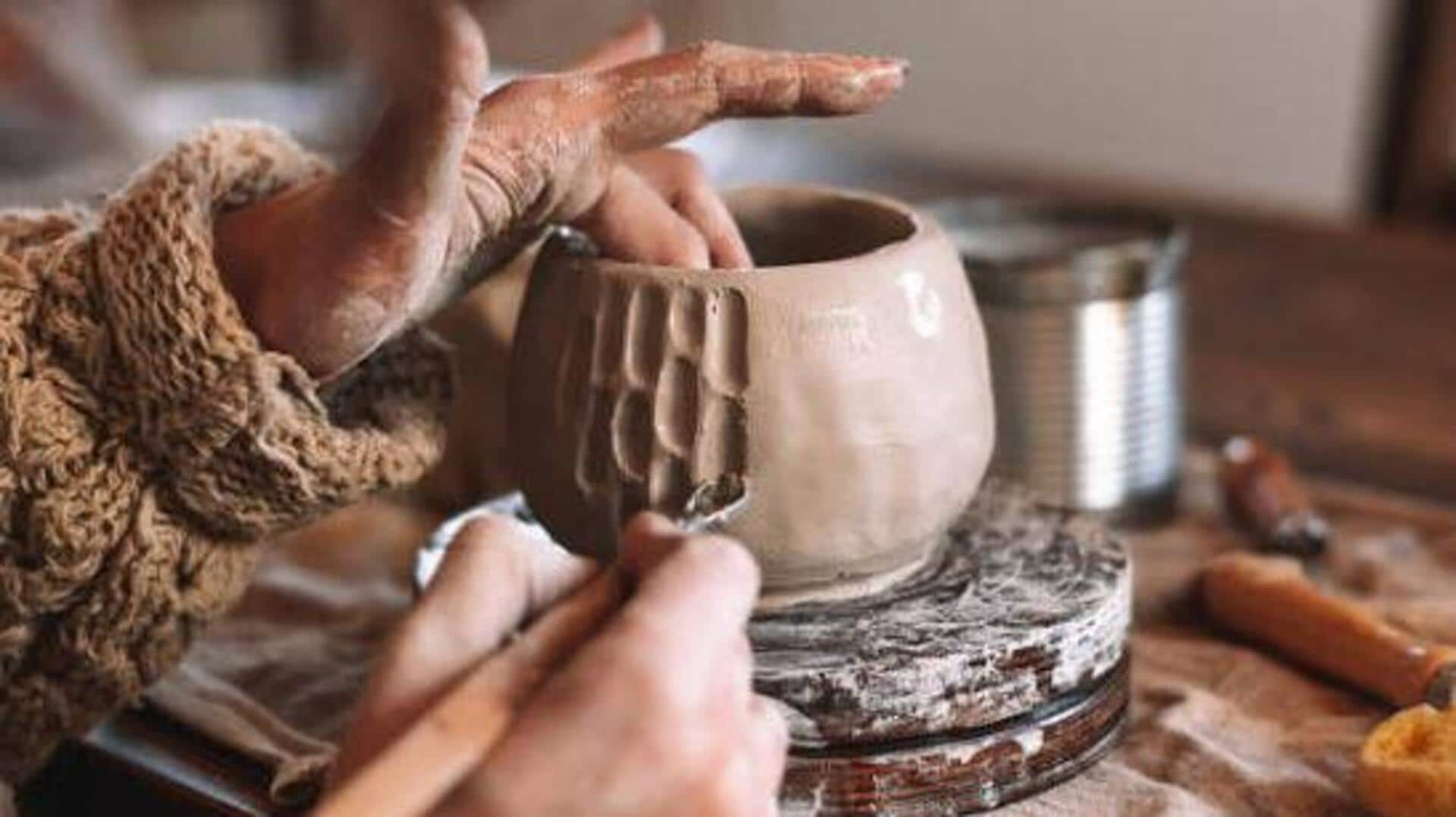
The techniques involved hand-building methods such as coiling and pinching, which allowed for detailed expression.
#2
Influence of colonialism
Colonialism greatly impacted African art, including clay sculpture.
As European powers invaded Africa, they brought new materials and styles that influenced local artists.
Some embraced these changes, creating works that blended traditional motifs with foreign elements.
This period saw a shift in the purpose of sculptures from strictly cultural to also include commercial appeal for tourists and collectors.
#3
Post-Independence artistic revival
After many African countries gained independence in the mid-20th century, there was a revival of interest in traditional art forms, including clay sculpture.
Artists began to reclaim their cultural heritage by revisiting ancient techniques and themes, while also incorporating modern influences.
This era saw the emergence of new artistic movements that celebrated African identity through vibrant, expressive works.
#4
Contemporary expressions in clay sculpture
Today, contemporary African artists continue to push the boundaries of clay sculpture by experimenting with form, texture, and narrative depth.
They draw inspiration from both traditional practices and global art trends, resulting in diverse expressions that resonate with local communities, as well as international audiences.
These modern works often address social issues or explore personal identities within broader cultural contexts.