How African textile designers are shaping global fashion
What's the story
African textile designers are taking the world of fashion by storm, thanks to their bold patterns and rich cultural heritage. These designers are now being recognized globally, as they blend traditional techniques with contemporary styles. Their work not only promotes African culture but also challenges the norms of global fashion. Here's how these designers are making their mark.
#1
Bold patterns and vibrant colors
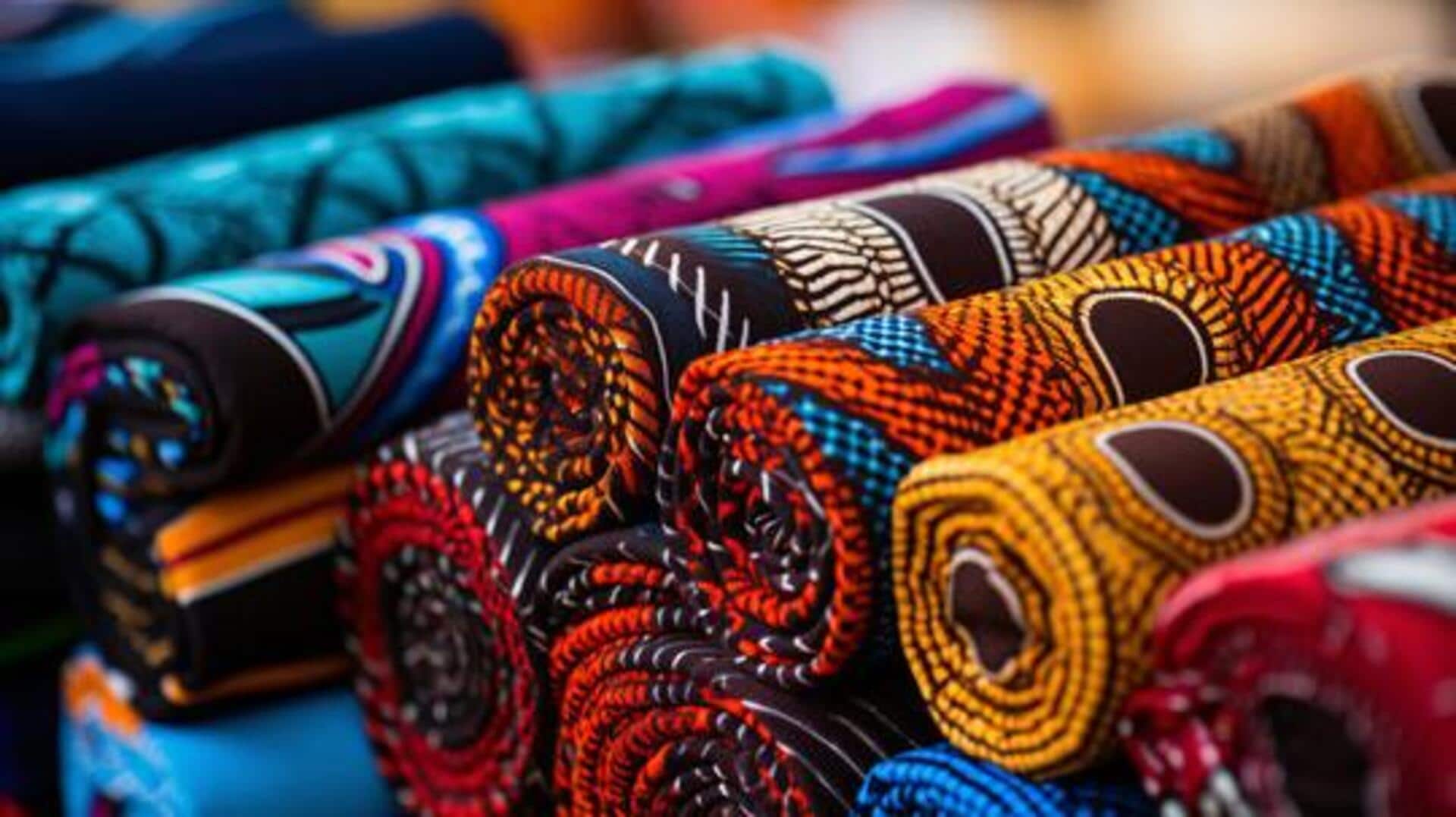
African textiles are famous for their bold patterns and bright colors, which are inspired by the continent's diverse cultures.
These designs are often made using traditional techniques such as wax printing and tie-dyeing.
The result is a unique aesthetic that catches the eye and stands out in the global market.
Designers like Nigeria's Duro Olowu have mastered this art, creating pieces that are both modern and deeply rooted in tradition.
#2
Sustainable practices in design
Many African textile designers are also leading the way in sustainable fashion by using eco-friendly materials and ethical production methods.
By sourcing locally and minimizing waste, they are contributing to a more sustainable industry.
This commitment to sustainability not only appeals to environmentally conscious consumers but also sets an example for other fashion markets around the world.
#3
Cultural storytelling through fashion
African textile designers often weave stories into their creations, drawing from history, folklore, and personal experiences.
Each piece tells a story or conveys a message that resonates with audiences on a deeper level than just aesthetics.
This storytelling aspect adds value to their work and differentiates them in the crowded global fashion scene.
#4
Collaborations with international brands
In recent years, several African textile designers have collaborated with international brands, furthering their reach beyond the continent.
These partnerships allow them to showcase their unique designs on global platforms while also influencing mainstream fashion trends.
Such collaborations not only benefit the designers financially but also promote cultural exchange through fashion.
#5
Empowering local communities through design
Many African textile design initiatives focus on empowering local communities by creating jobs and supporting artisanship.
By partnering with local craftsmen, these designers ensure traditional skills are preserved while providing economic opportunities within their communities.
This focus on empowerment helps sustain cultural heritage and fosters growth in the region's economy.