What is Fulani embroidery?
What's the story
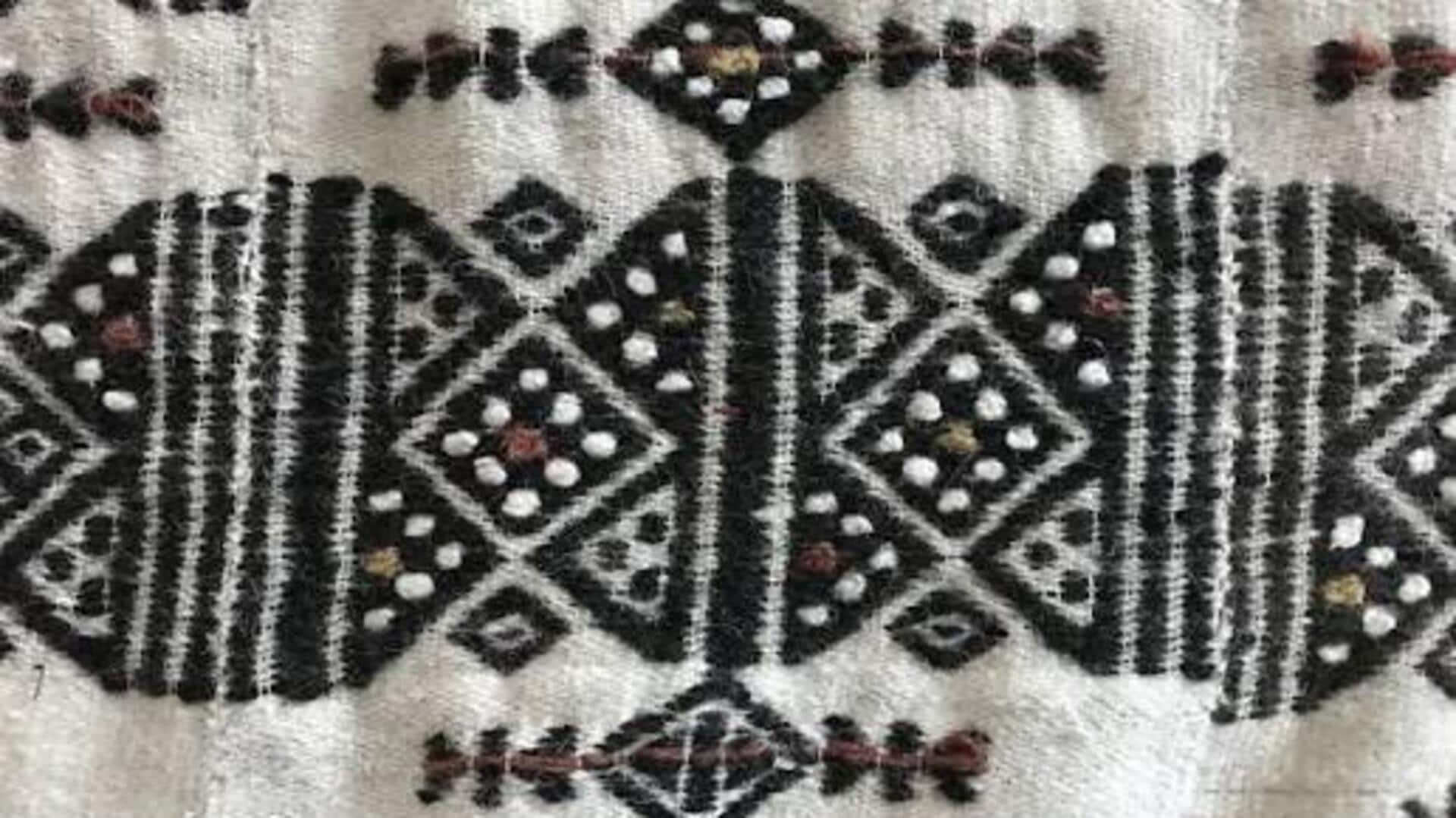
Fulani Wodaabe embroidery, a traditional craft of the Fulani people, is making waves in modern fashion. The intricate designs, which are a part of the cultural heritage, are now being embraced by designers across the globe. The embroidery is characterized by its geometric patterns, vibrant colors, and unique appeal, which make it stand out. As fashion evolves, these traditional motifs are being reimagined to suit contemporary tastes while preserving their cultural significance.
#1
Geometric patterns in modern fashion
Geometric patterns are an integral part of Fulani Wodaabe embroidery. These patterns are now being used by designers to add a touch of uniqueness and depth to their collections.
From dresses to accessories, these motifs add visual interest and texture to modern clothing.
The use of geometric shapes resonates with current trends that favor bold graphics, eye-catching designs, and vibrant aesthetics.
#2
Vibrant colors inspire new collections
The vibrant colors used in Fulani Wodaabe embroidery also inspire modern fashion collections.
Designers often incorporate these rich hues into their pieces to create dynamic looks that capture attention.
The colors not only reflect traditional aesthetics but also align with contemporary color palettes used in fashion today.
#3
Cultural heritage meets contemporary style
By integrating Fulani Wodaabe embroidery into their designs, fashion designers are bridging cultural heritage with contemporary style.
This fusion allows for the preservation of traditional crafts while catering to the tastes of modern consumers.
It also highlights the importance of cultural diversity in influencing global fashion trends.
#4
Sustainable fashion through traditional crafts
The revival of Fulani Wodaabe embroidery in modern fashion also promotes sustainability.
By using traditional crafts, designers reduce waste and promote ethical production methods.
This approach not only supports artisans but also contributes to eco-friendly practices within the industry.