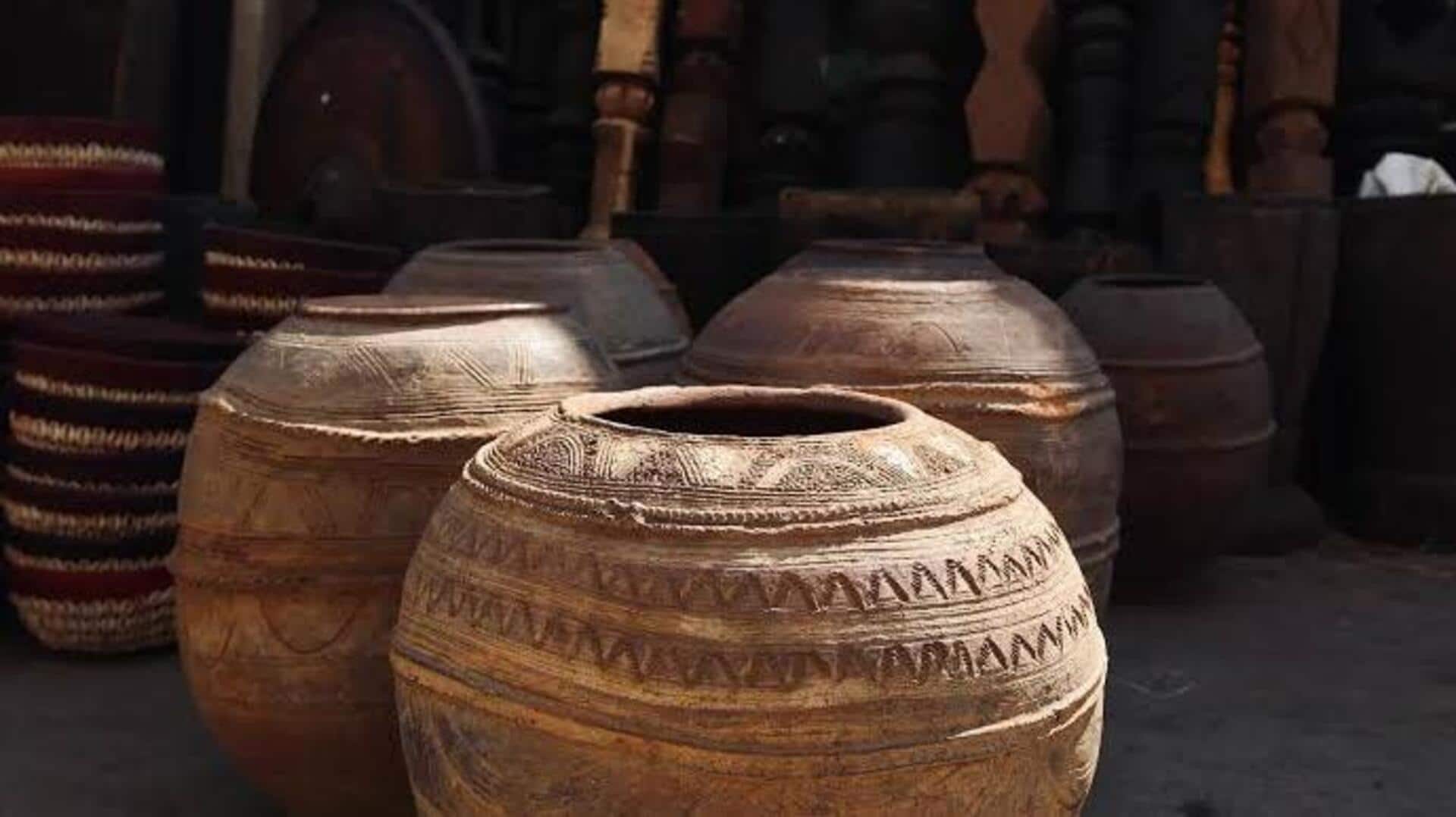
Nupe pottery: An art form with global appeal
What's the story
Nupe pottery, a traditional craft from Nigeria's Middle Belt, is getting a modern makeover. The centuries-old art form is now being redefined by contemporary artists who are mixing traditional techniques with modern aesthetics. This fusion not only preserves the cultural heritage but also makes it appealing to a global audience. Here is how Nupe pottery is evolving and what it means for the future of this craft.
#1
Traditional techniques meet modern design
Contemporary Nupe potters are using traditional methods of hand-building and firing but are adding modern design elements. The result is a unique blend that respects the past while appealing to today's tastes. Geometric patterns and bold colors are commonly used to attract a wider audience. This fusion of old and new makes the art form more versatile and marketable.
#2
Influence of technology on pottery
Technology has also made its mark on Nupe pottery, with artists using digital tools for design and marketing. 3D modeling software helps in visualizing the final product before it's made, while social media platforms provide a global stage for showcasing work. These advancements have made it easier for artists to connect with buyers worldwide, increasing their reach and potential sales.
#3
Sustainability in pottery production
Sustainability is a key focus in contemporary Nupe pottery practices. Artists are increasingly using locally sourced materials to minimize environmental impact. Natural dyes and eco-friendly glazes are preferred over synthetic options. This shift not only supports local economies but also aligns with global trends toward sustainable art production.
#4
Educational initiatives preserving cultural heritage
Educational programs are also essential in keeping the legacy of Nupe pottery alive. Workshops and classes are organized to teach the younger generations about traditional techniques and modern adaptations. These initiatives ensure that the craft is passed on, while encouraging innovation among new artists.