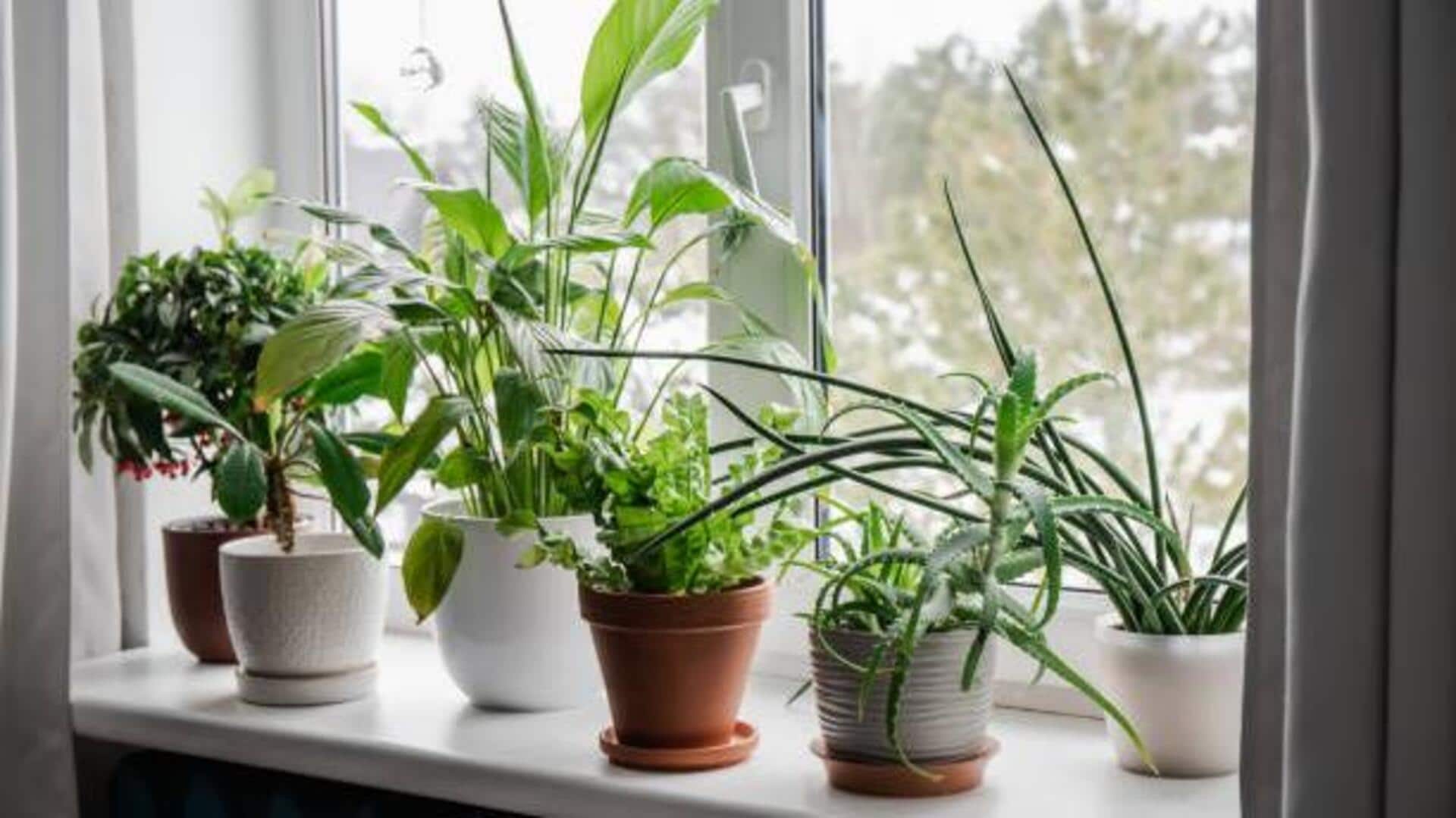
Do plants grow faster with sound?
What's the story
The concept of using sound to promote plant growth has been a topic of interest for many years. Some studies suggest that certain sound frequencies can positively affect plant development. While the scientific community remains divided on the subject, many gardeners experiment with sound as a natural growth enhancer. Here are some insights into how sound might influence plants, and practical tips for those curious about this method.
Sound waves
The science behind sound waves
Sound waves are vibrations that travel through the air, or other mediums, and can be detected by living organisms.
Some researchers believe these vibrations may affect plant cells and their growth processes.
The theory is that specific frequencies could stimulate cellular activity or even affect gene expression in plants.
Sound types
Types of sounds used in gardening
Various types of sounds have been tested for their effect on plants.
Natural sounds like birds chirping or water flowing are often used, as they mimic a natural environment.
Some also use musical genres like classical music or even specific frequencies produced by electronic devices.
Each type is believed to have a different impact on plant growth.
Gardening tips
Practical applications for gardeners
For those interested in trying sound as a gardening technique, here are some practical tips:
Play soft music or natural sounds near your plants for a few hours each day.
Experiment with different genres, and observe any changes in growth or health over time.
Ensure that the volume is moderate so it doesn't disturb the surrounding environment.
Observations
Observations and outcomes
Observing changes in plant growth when exposed to sound can be subjective.
Some gardeners report positive outcomes, such as increased height or more robust leaves. However, these observations may not always be scientifically validated.
It's essential to keep an open mind and consider various factors that could influence plant health beyond just sound exposure.