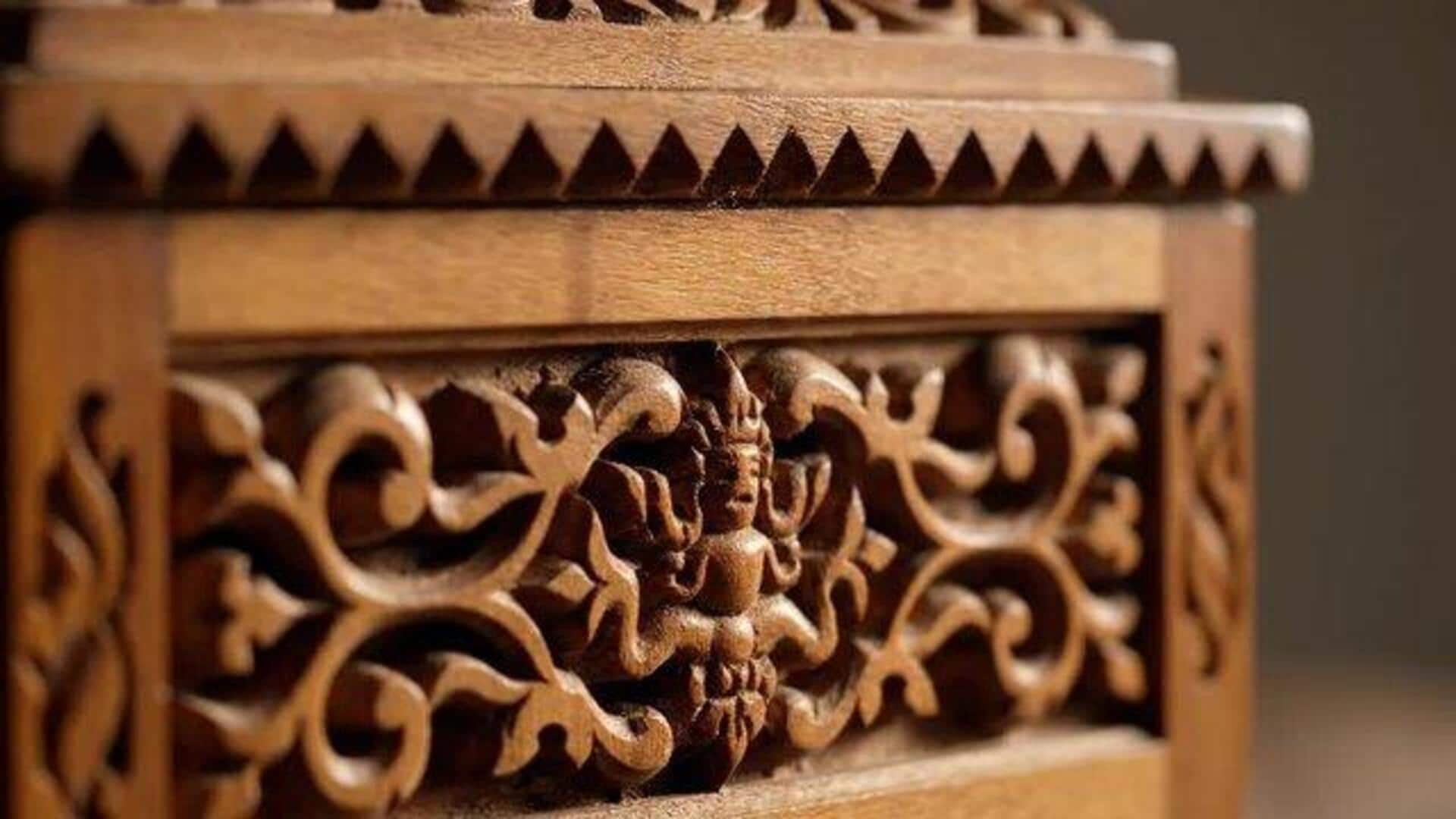
What to know before buying handcrafted wood carvings
What's the story
African wood carvings are a beautiful representation of the continent's rich cultural heritage. These handcrafted pieces are not just decorative items, but also hold deep cultural significance. Buying these carvings can be an enriching experience, giving you a glimpse into the traditions and stories of various African communities. To ensure authenticity and support local artisans, here are some practical tips for purchasing African wood carvings.
Tip 1
Understand cultural significance
Before buying, it's important to understand the cultural significance behind the carvings.
Each piece often tells a story or represents a particular tradition from its region of origin.
Researching or asking about the symbolism can enhance your appreciation and ensure that you respect the cultural context of your purchase.
Tip 2
Identify quality craftsmanship
Quality craftsmanship is key when it comes to authentic African wood carvings.
Look for details like smooth finishes, intricate designs, and proportionate features.
A well-crafted piece will have clear attention to detail and skillful execution, which are signs of an experienced artisan.
Tip 3
Support local artisans
Buying directly from local artisans ensures that your money goes to the people who make these beautiful works of art.
Many markets or cooperatives have direct connections with artists, giving them fair compensation for their work.
This not only supports local economies but also guarantees authenticity.
Tip 4
Verify authenticity with certificates
To ensure the piece you are buying is authentic, look for certificates or documentation that prove its origin.
Some sellers provide certificates that prove the authenticity and origin of their products.
This is especially useful if you are buying high-value items or want to resell them later.
Tip 5
Compare prices wisely
While comparing prices is important, it should not be the only factor in your decision-making process.
Prices may vary depending on factors such as size, intricacy, and age of the carving.
However, extremely low prices may indicate inferior quality or even imitation products.