
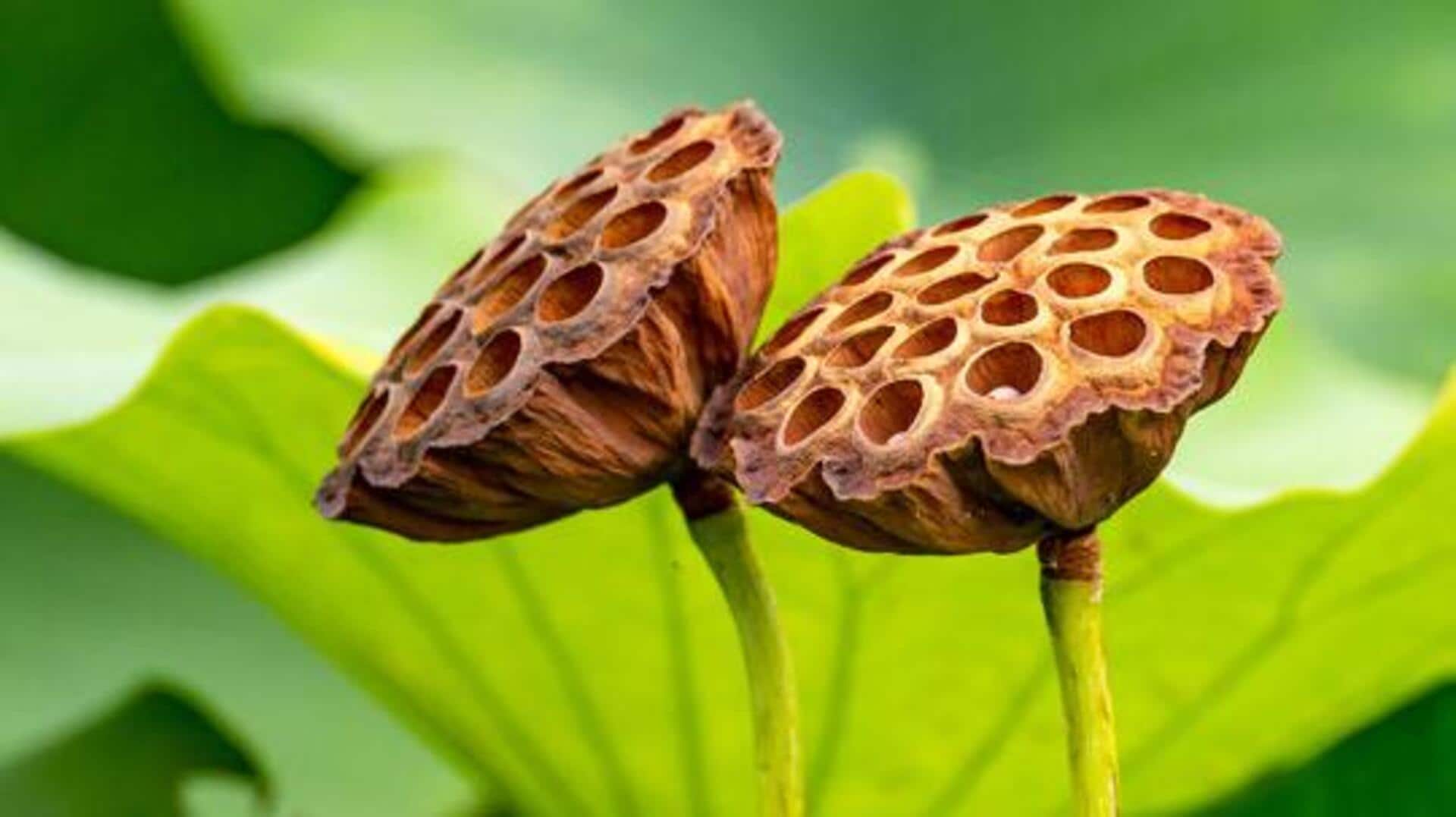
What is seed pod carving?
What's the story
African seed pod carving is an age-old art that turns natural materials into beautiful pieces of art. The practice, which is deeply rooted in African culture, uses seed pods from local trees. These pods are carved into intricate designs, depicting traditional motifs and stories. The craft not only preserves cultural heritage but also promotes sustainable use of natural resources. Here's a look at the art of African seed pod carving.
Tools
Tools and techniques used in carving
Carving African seed pods requires a few basic tools such as knives, chisels, and sandpaper. These tools help artisans shape the pods into desired forms with precision. The technique involves careful planning and execution to ensure that each piece retains its structural integrity while showcasing detailed designs. Artisans often spend years honing their skills to master various techniques used in this craft.
Cultural impact
Cultural significance of seed pod carvings
Seed pod carvings hold cultural significance as they frequently depict symbols or stories from different African communities. These carvings are not just decorative but also serve as a means of preserving history and passing down traditions to future generations. They are often used in ceremonies or as gifts between families, signifying unity and respect within communities.
Economic aspect
Economic value of seed pod carving
The economic impact of African seed pod carving is huge, as it provides a source of income to many artisans across the continent. By selling their work at local markets or international galleries, these craftsmen can earn a living while promoting their culture globally. The demand for authentic handmade items continues to grow among consumers looking for unique decorative pieces.
Sustainability
Environmental benefits of using natural materials
Using natural materials like seed pods for carving is environmentally friendly. It promotes sustainability by reducing waste and encouraging the use of renewable resources. This practice minimizes the environmental impact compared to mass-produced items made from non-renewable materials. It also highlights the importance of conservation efforts in protecting natural habitats where these trees grow.