How to make masks with cardboard
What's the story
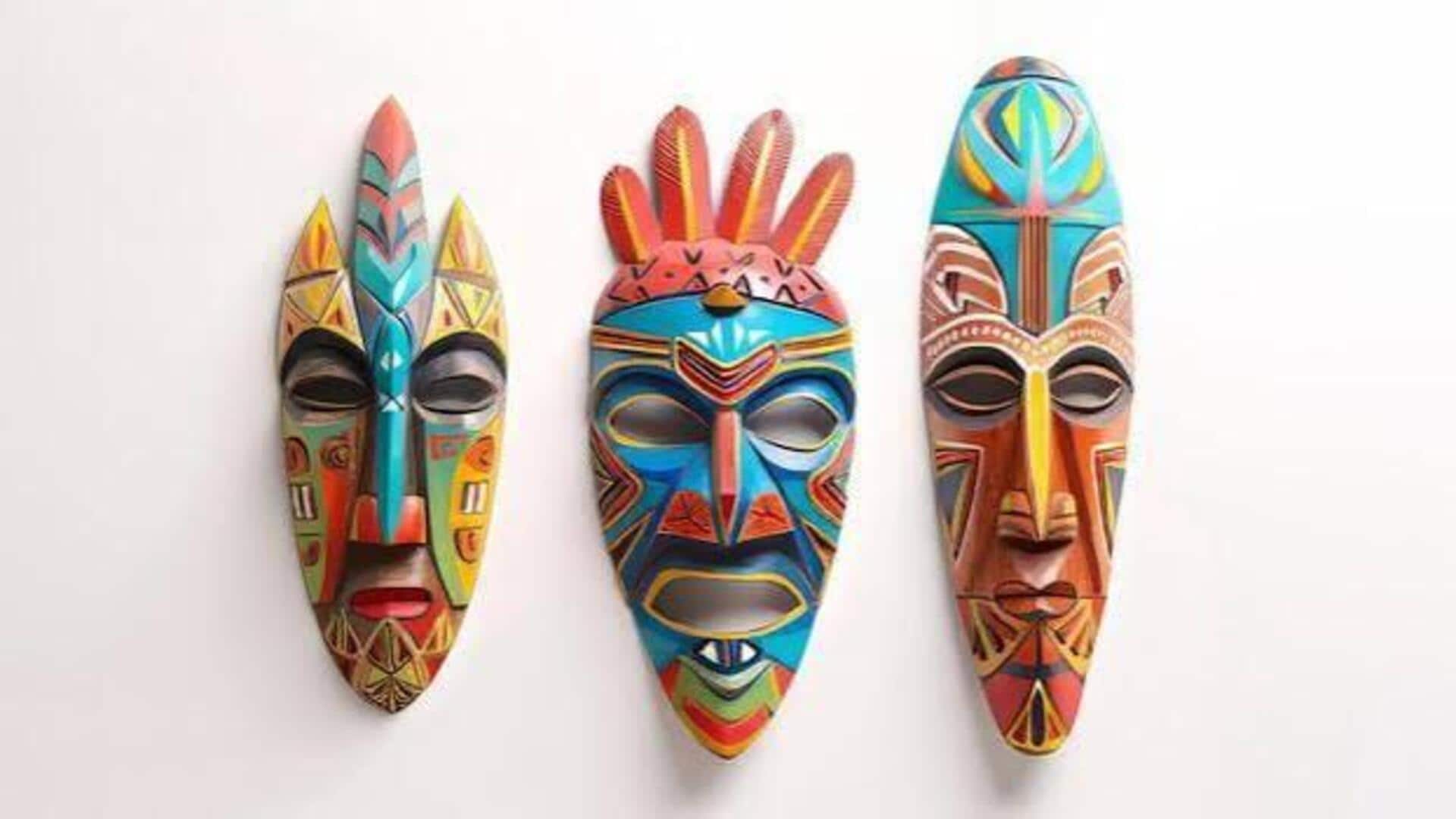
African masks are a fascinating part of the continent's rich cultural heritage. They are not just beautiful, but also tell stories, represent communities, and are used in various rituals. Making these masks out of cardboard is an innovative way to honor African traditions while promoting sustainability. By using recycled materials, you can create stunning pieces of art that celebrate the beauty and diversity of African cultures.
Material selection
Choosing the right cardboard
Selecting the right kind of cardboard is important for your project.
Go for thick, sturdy cardboard that can hold its shape when cut and painted.
Old boxes or packaging materials can be perfect, as they are usually durable and easy to work with.
Make sure the surface is clean and free from any unwanted markings before you start crafting.
Planning phase
Designing your mask
Before you start cutting, sketch out your design on paper.
Think about traditional African patterns and symbols that resonate with the story or message you want your mask to convey.
Pay attention to facial features like eyes, nose, and mouth, as these elements often carry significant cultural meanings.
Once satisfied with your design, transfer it onto the cardboard.
Crafting process
Cutting and shaping techniques
Use sharp scissors or a craft knife to carefully cut out your mask shape from the cardboard.
For more intricate designs, consider using a hot glue gun to attach smaller pieces together securely.
Bend or fold sections of the cardboard where necessary to create three-dimensional effects that add depth and character to your mask.
Artistic expression
Painting and decorating your mask
Once your mask is assembled, it's time to paint it using acrylic paints for vibrant colors that won't easily fade over time.
Incorporate traditional colors commonly used in African art, such as red, black, yellow, and green hues, while ensuring each color choice aligns with cultural significance in various regions across Africa.