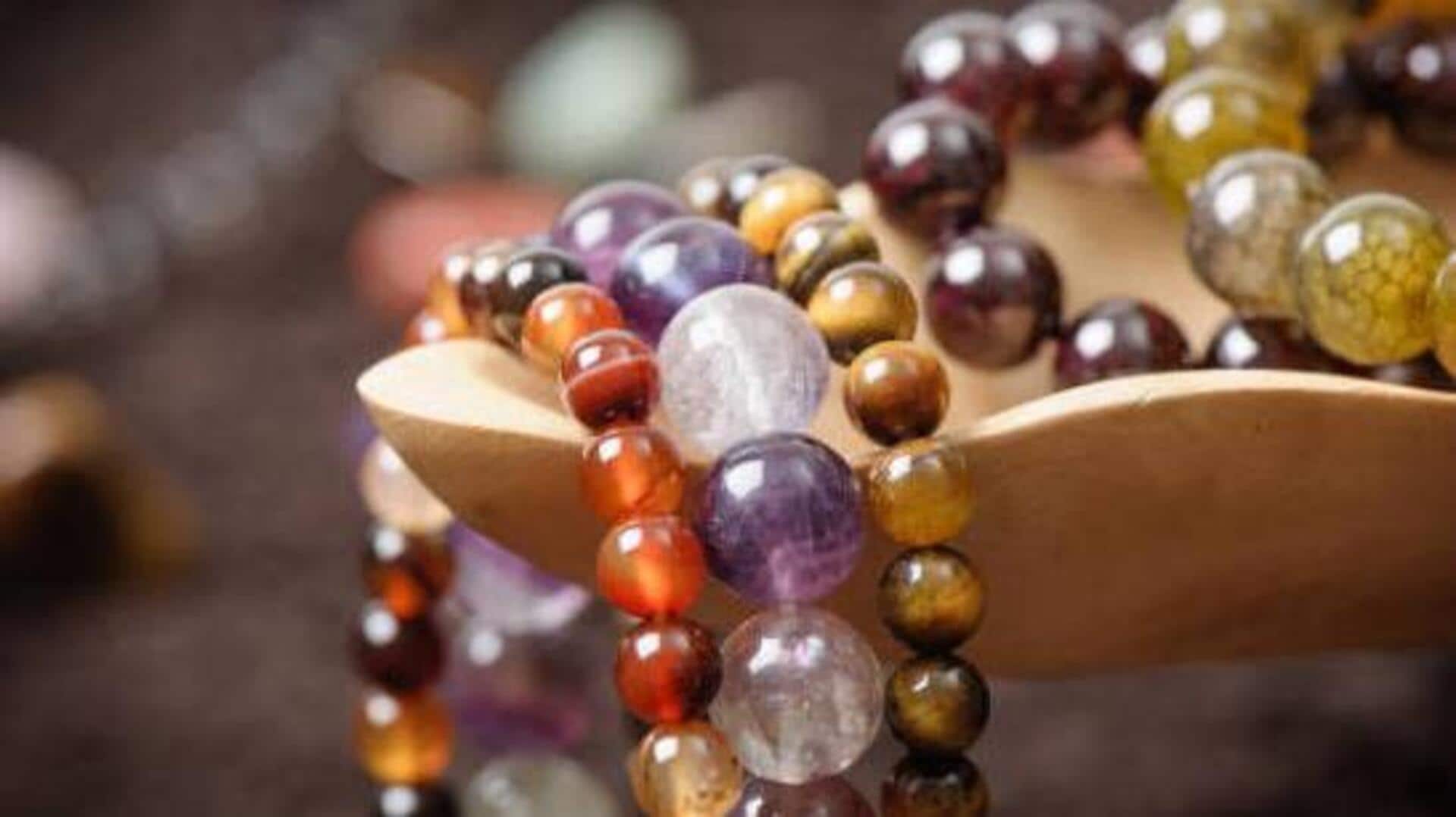
How artists are creating jewelry with recycled beads
What's the story
Creating Yoruba-style jewelry from recycled beads is an eco-friendly and culturally rich craft. It allows artisans to blend traditional African aesthetics with sustainable practices. By repurposing old beads, artisans can create unique pieces that reflect the vibrant heritage of the Yoruba people. This not only promotes environmental conservation but also supports local economies by providing a source of income for skilled craftsmen.
#1
Sourcing recycled beads
To begin crafting Yoruba-style jewelry, sourcing recycled beads is essential.
These can be collected from old necklaces, bracelets, or other discarded jewelry items. Local markets or thrift stores are also good places to find affordable options.
By choosing recycled materials, artisans reduce waste and contribute to environmental sustainability while maintaining the authenticity of their creations.
#2
Designing traditional patterns
Designing traditional patterns is key to making authentic Yoruba-style jewelry.
Artisans should study traditional motifs and symbols used in Yoruba culture to incorporate them into their designs.
Geometric shapes, intricate lines, and vibrant colors are common elements in these patterns.
By sticking to these traditional designs, artisans ensure that their pieces are culturally significant and visually appealing.
#3
Crafting techniques for durability
Durability is key when crafting jewelry from recycled beads. Using strong threads or wires ensures the pieces hold well over time.
Techniques like knotting or weaving can add strength and flexibility to the designs, without compromising on aesthetics.
It's important to test different methods to find the best combination that balances durability with the desired look of the finished product.
Tip 1
Marketing sustainable jewelry
Marketing sustainable jewelry made from recycled beads involves highlighting its eco-friendly aspects and cultural significance.
Artisans can use social media platforms to showcase their work and tell the story behind each piece's creation process.
Collaborating with local artisans, or participating in craft fairs, can also help reach a wider audience interested in sustainable fashion choices.