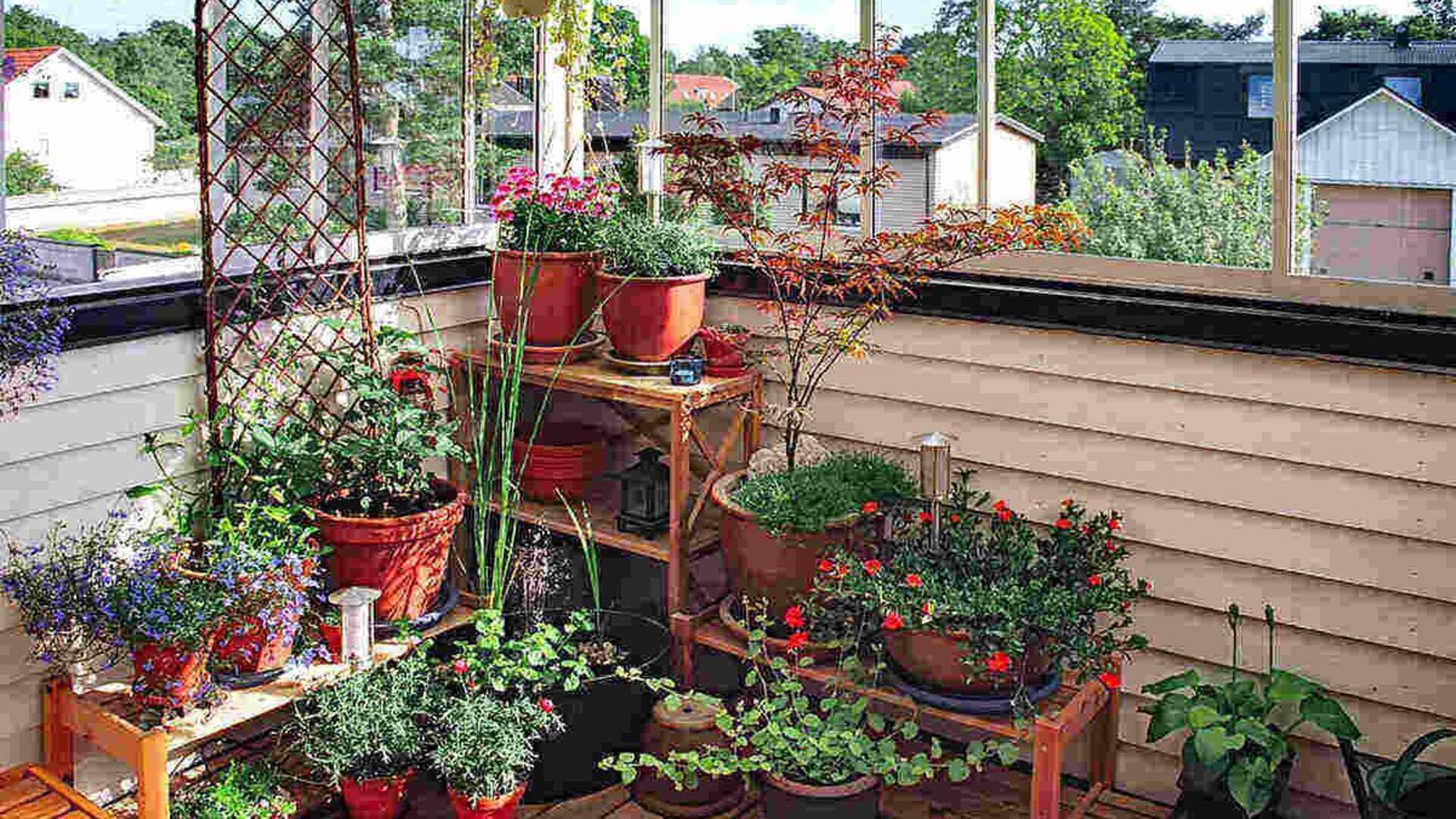
How to create a balcony garden (on a budget)
What's the story
Creating a balcony garden can be a rewarding experience, especially when you have limited space and resources. With just a few inexpensive materials, you can transform your balcony into a vibrant green space. This guide will provide practical tips on how to set up an affordable balcony garden using readily available items. Whether you're an experienced gardener or a beginner, these insights will help you cultivate plants without breaking the bank.
Tip 1
Use recycled containers
Recycling containers is an inexpensive and eco-friendly way to start your balcony garden.
Old plastic bottles, tin cans, and glass jars can be repurposed as plant pots.
Just ensure they have proper drainage holes to prevent waterlogging.
This way, you not only save money but also reduce waste, contributing to environmental sustainability.
Tip 2
DIY vertical planters
Vertical planters are ideal for small balconies where floor space is limited.
You can make them with wooden pallets or fabric pockets hung on walls or railings.
These structures allow you to grow multiple plants in a small area, maximizing your gardening potential without spending much.
Tip 3
Utilize natural fertilizers
Natural fertilizers like compost from kitchen scraps or manure tea are cost-effective alternatives to store-bought options.
They enrich soil quality and promote healthy plant growth without the added expense of commercial fertilizers.
By using these natural solutions, you can maintain a thriving garden while keeping costs low.
Tip 4
Choose low-maintenance plants
Opting for low-maintenance plants is key in keeping your balcony garden budget-friendly.
Succulents, herbs like basil and mint, or vegetables like lettuce and radishes require little care and resources.
They grow well in containers with limited soil depth and infrequent watering, making them perfect for economical gardening.
Tip 5
Implement rainwater collection systems
Collecting rainwater is an efficient way to water your balcony garden without spending on municipal water costs.
A simple setup with buckets placed under downspouts can capture rainwater effectively.
This method not only conserves water but also provides plants with natural hydration free from chemicals found in tap water.