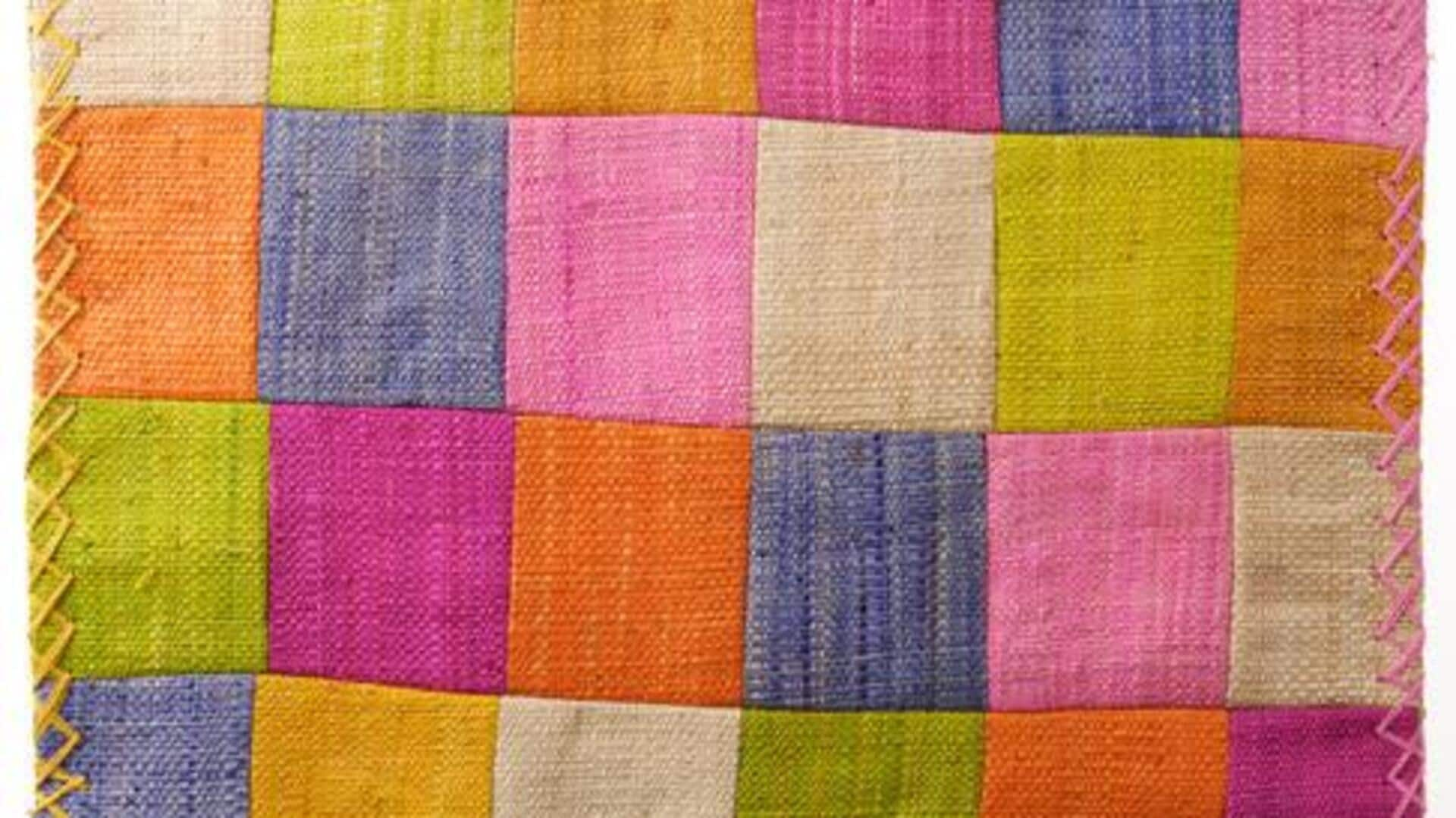
How to turn fabric patches into colorful art
What's the story
African wildlife art is a unique way to appreciate the continent's rich biodiversity. Using fabric patches, artists can create stunning representations of animals and landscapes. This method not only showcases artistic talent but also promotes sustainability by repurposing materials. By incorporating fabric patches into their work, artists can produce vibrant and textured pieces that capture the essence of African wildlife. Here are some insights on how to effectively use fabric patches in creating impactful wildlife art.
Fabric selection
Choosing the right fabrics
Selecting the right fabrics is crucial for creating authentic African wildlife art.
Natural fabrics like cotton or linen work best as they absorb dyes well and are easy to manipulate.
Different textures can add depth to your artwork, so consider mixing smooth and rough fabrics for contrast.
Also, choose colors that reflect the natural hues found in African landscapes and animals.
Patch application
Techniques for applying patches
There are several techniques for applying fabric patches in wildlife art.
Sewing is a traditional method that provides durability and precision, while glue can offer a quicker application process.
Iron-on patches provide convenience but may not withstand washing as well as sewn ones.
Experimenting with different methods can help you find the best way to achieve your desired effect.
Pattern integration
Incorporating patterns and textures
Patterns play an important role in African art, so incorporating them into your fabric patch designs is a great idea.
Animal prints, tribal motifs, and geometric shapes can all add an authentic touch to your artwork.
Mixing different textures within these patterns will make your piece more dynamic and visually interesting.
Composition balance
Balancing composition with negative space
Like any other art form, balancing composition with negative space is key to making your wildlife art with fabric patches.
Leave some areas free of patches or embellishments so that the eyes have space to rest.
This not only makes your artwork look more sophisticated but also makes the intricate details of each patch stand out.
Preservation tips
Preserving your artwork over time
To keep your fabric patch artwork in good condition over time, proper care is essential.
Avoid direct sunlight exposure, as it may fade colors over time; instead, display pieces in shaded areas when possible.
Regular dusting helps maintain cleanliness without damaging delicate surfaces, while occasional professional cleaning ensures longevity without compromising quality craftsmanship.