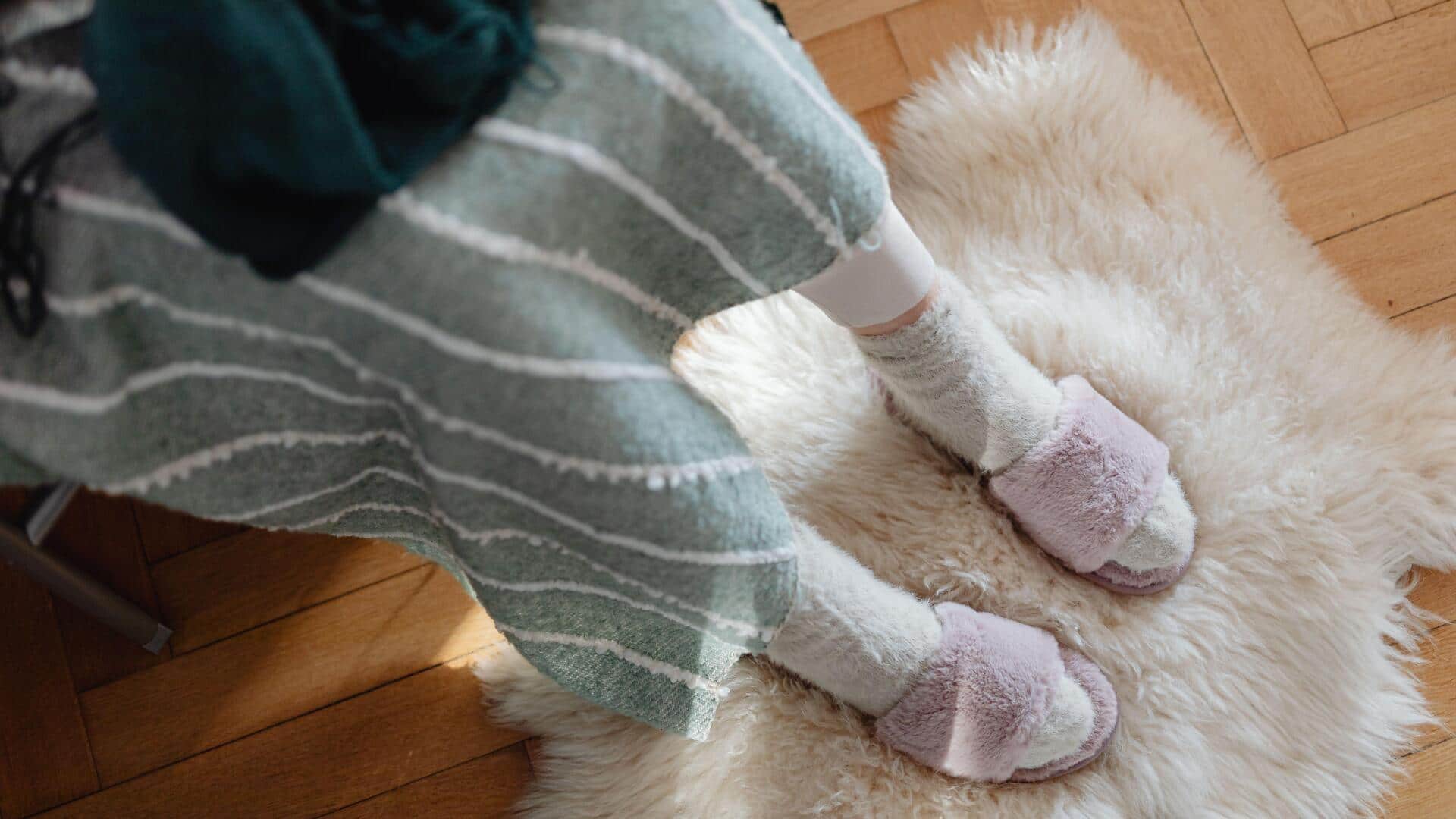
How to create handmade rugs from leftover fabric
What's the story
Creating rag rugs from fabric scraps is a sustainable and creative way to repurpose old textiles. Not only does this craft help reduce waste, but it also allows you to add a personal touch to your home decor. By using materials that would otherwise be discarded, you can create unique rugs that reflect your style and contribute to environmental conservation. Here are some practical tips on making rag rugs from fabric scraps.
Fabric selection
Choosing the right fabrics
Selecting the right fabrics is key to making durable rag rugs.
Go for cotton or linen scraps as they are easy to work with and last long.
Steer clear of synthetic fabrics as they may not blend well and can be tough to sew together.
Mixing different patterns and colors can add visual interest to your rug, making it more appealing.
Fabric preparation
Preparing fabric scraps
Before you start making your rug, prepare your fabric scraps by washing them thoroughly to get rid of any dirt or chemicals.
Once clean, cut them into strips of equal width (around one inch wide).
This uniformity will make it easier to weave them together tightly, ensuring a sturdy final product.
Weaving methods
Weaving techniques for beginners
There are various ways to weave rag rugs, but beginners may find the simple braiding technique easiest.
Braid three strips of fabric together before laying them flat on the floor.
Once you have enough length, sew the edges together with a needle and thread, or use fabric glue for a quicker option.
Care tips
Maintaining your rag rug
To keep your rag rug looking good, vacuum it regularly to remove dirt and dust particles.
If needed, wash it by hand in cold water with mild detergent. Avoid bleach as it may damage the fibers over time.
Ensure that the rug dries completely before placing it back on the floor to prevent mold growth.
Skill development
Expanding your skills
As you get comfortable making basic rag rugs, consider trying out more complex patterns or techniques like crocheting or knitting with fabric strips.
These methods may require additional tools like hooks or needles but can result in more intricate designs that showcase your growing expertise in this eco-friendly craft.